7 Mistakes You're Making with Fish Stress (and How to Fix Them in 5 Minutes)
7 Mistakes You're Making with Fish Stress (and How to Fix Them in 5 Minutes)
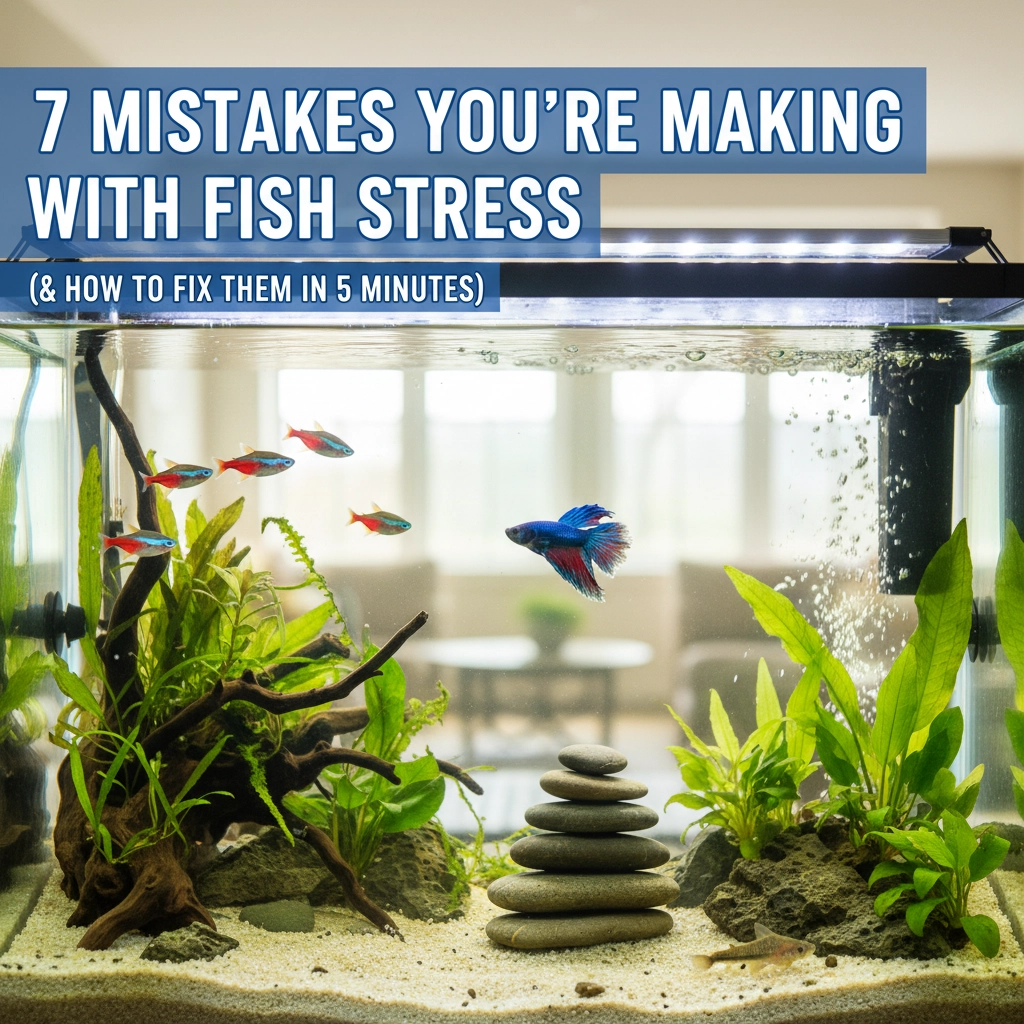
Welcome, fellow aquatic enthusiasts! Whether you're a seasoned veteran or just dipping your toes into the mesmerizing world of fishkeeping, you've likely witnessed those telltale signs of fish stress that make your heart sink. Your vibrant companions suddenly seem sluggish, their dazzling colors fade, or they're gasping at the surface like they're sending you an underwater SOS.
Here's the encouraging news that will restore your confidence: most fish stress triggers can be identified and corrected in just minutes! Your aquatic oasis doesn't need a complete overhaul – often, small adjustments create dramatic improvements that'll have your finned friends swimming freely once again.
Let's dive into the depths of the seven most common mistakes that cause fish stress, along with lightning-fast solutions that'll transform your underwater masterpiece back into the thriving ecosystem you've always envisioned.
1. Creating Chaos with Sudden Water Parameter Swings
Your fish's metabolism operates like a finely tuned instrument, and rapid fluctuations in temperature, pH, or other water conditions send shock waves through their entire system. Even if your parameters aren't technically "perfect," stable conditions trump wild swings every time.
Picture this: you're relaxing in a warm bath when someone suddenly dumps ice water on you. That's exactly what your fish experience when water conditions change too rapidly, triggering stress responses that can compromise their immune systems within hours.
Your 5-Minute Lifeline: Perform an immediate 25% water change using dechlorinated water that perfectly matches your tank's current temperature and pH. Use a thermometer and test strips to ensure compatibility before adding new water. This simple action dilutes stress-causing compounds while maintaining stability.
Going forward, treat water changes like a gentle rain shower rather than a torrential downpour – gradual and consistent wins the race every time.
2. Turning Your Tank into an Overcrowded Apartment Complex
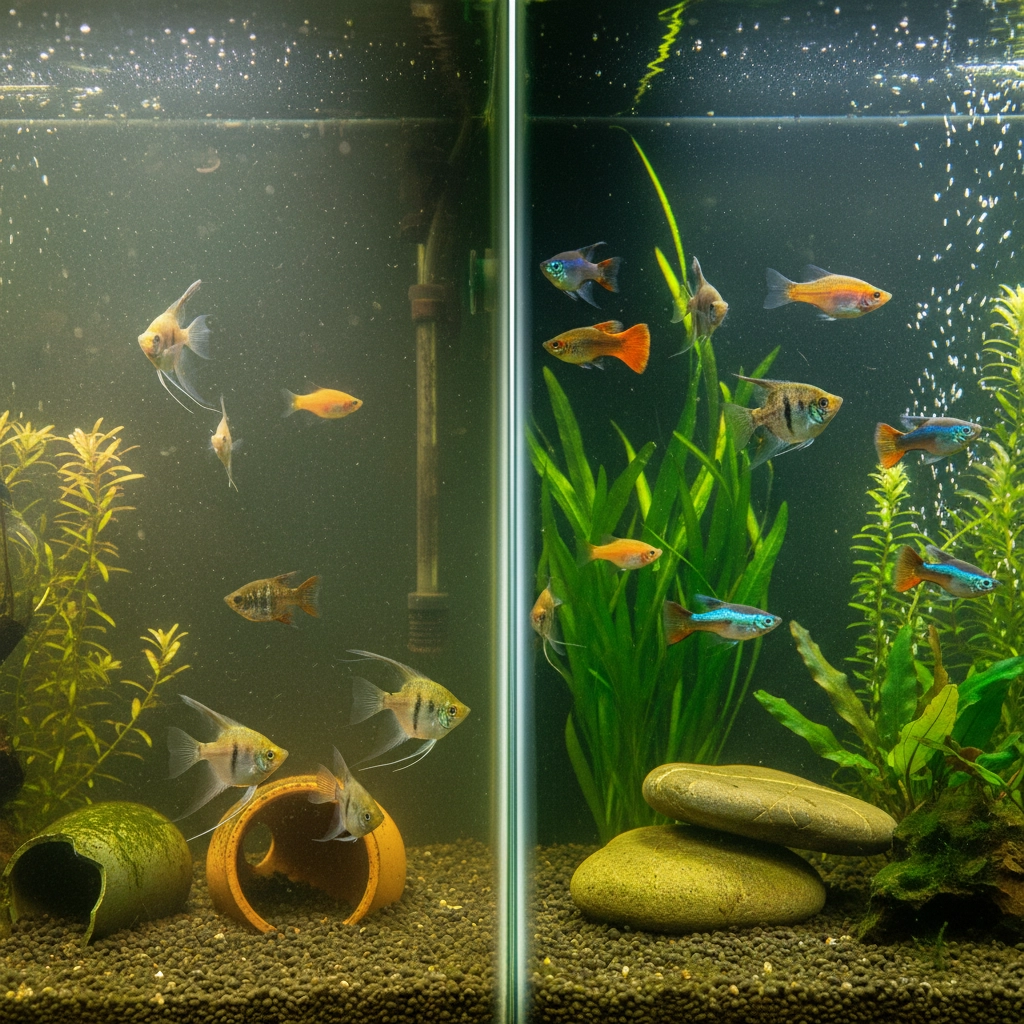
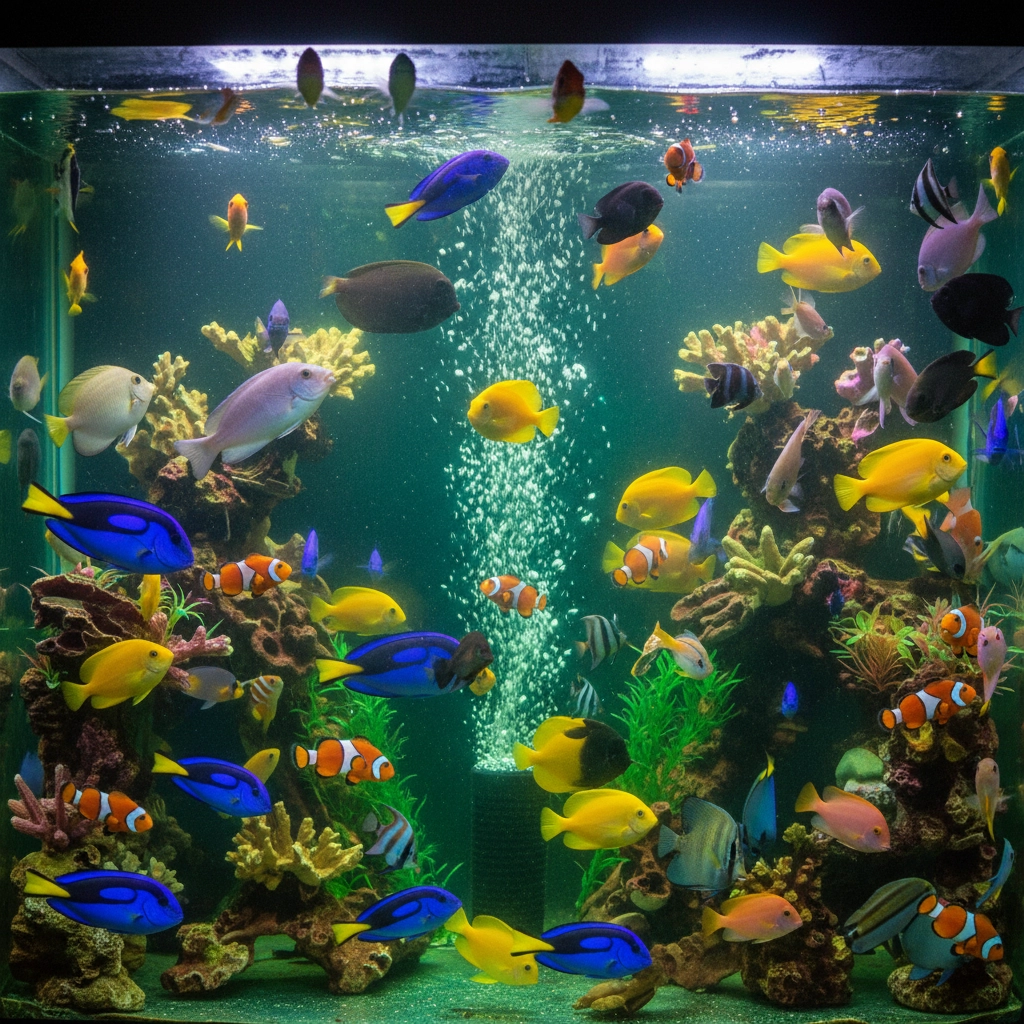
Imagine trying to breathe in a packed elevator – that's your fish's reality in an overstocked tank. Too many residents overwhelm your filtration system, causing waste to accumulate faster than beneficial bacteria can process it. The result? Toxic conditions and constant competition that keeps stress levels sky-high.
Your 5-Minute Emergency Action: Apply the classic 1-inch-of-fish-per-gallon guideline to quickly assess your situation. If you're clearly overstocked, temporarily relocate your most aggressive or largest fish to a separate container with proper aeration. This immediate relief gives your remaining fish breathing room while you develop a long-term plan.
Consider this your wake-up call to upgrade your filtration system or find loving new homes for excess fish. Your remaining aquatic family will thank you with vibrant colors and playful behavior.
3. Drowning Your Fish in Kindness Through Overfeeding
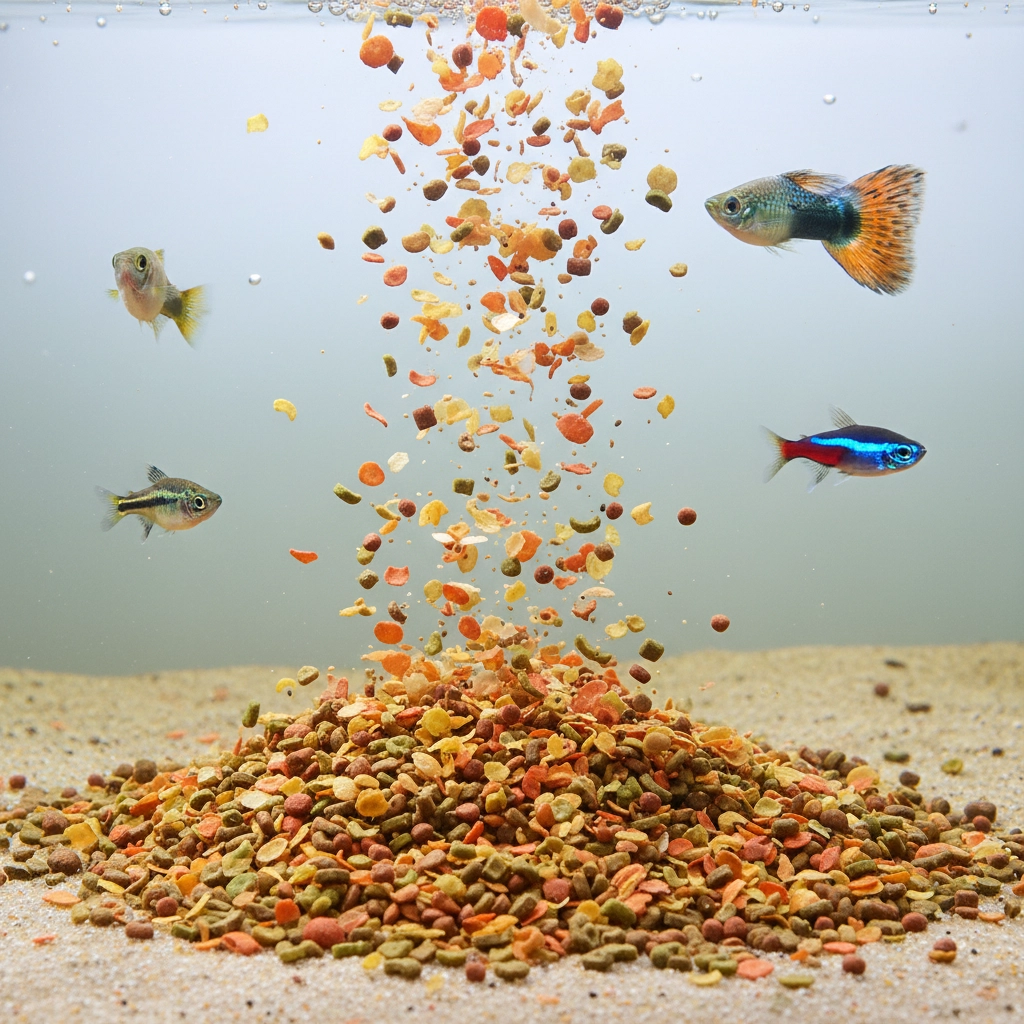
Here's a truth that might surprise you: more fish die from overfeeding than underfeeding. Your generous heart wants to spoil your underwater pets, but leftover food becomes a toxic time bomb, releasing ammonia that directly stresses fish while degrading your carefully maintained water quality.
Fish actually require far less food than most aquarists believe – their cold-blooded metabolism operates much slower than ours, meaning they can thrive on surprisingly small portions.
Your 5-Minute Course Correction: Feed only what your fish can enthusiastically consume within 2-3 minutes, then immediately net out any remaining morsels. Watch their feeding behavior closely – healthy, unstressed fish show immediate interest and compete gently for food.
Commit to implementing a weekly fasting day to allow their digestive systems to rest and reset. This practice, common among experienced aquarists, actually promotes better health and reduces waste buildup significantly.
4. Suffocating Your Aquatic Friends with Poor Oxygenation
When you spot fish gasping at the surface, they're essentially waving a red flag of distress. Low oxygen levels or high ammonia concentrations force fish to seek relief at the water's surface, where oxygen exchange naturally occurs most readily.
Poor water circulation creates stagnant zones where oxygen can't penetrate effectively, while inadequate filtration allows waste compounds to accumulate unchecked.
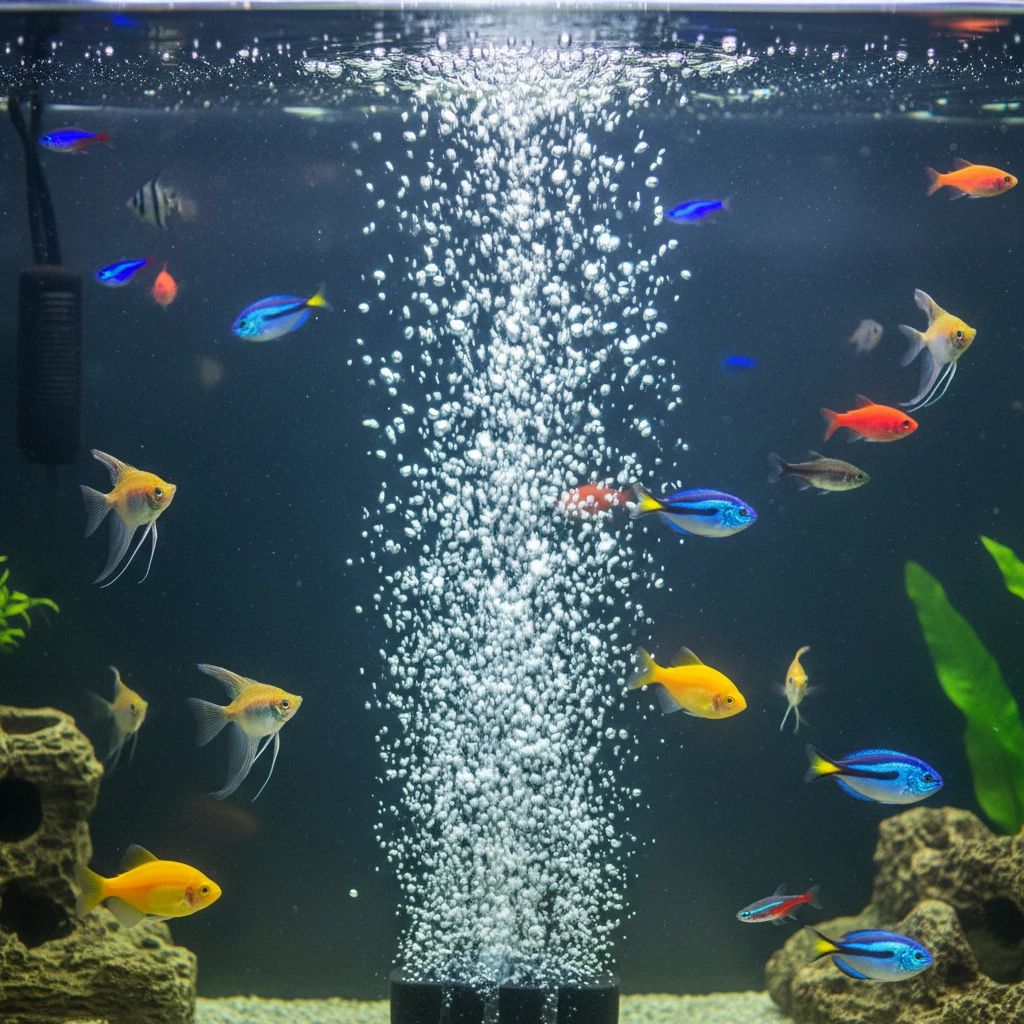
Your 5-Minute Oxygen Boost: Add an air stone to increase surface agitation, or adjust your filter output to create more water movement. These simple additions dramatically improve oxygen circulation throughout your entire tank within minutes. Double-check that your filter hasn't become clogged with debris – a clean filter works exponentially more effectively.
The gentle bubble streams and increased water movement will create a more dynamic, oxygen-rich environment that supports vibrant fish behavior and enhanced colors.
5. Creating a Nightclub Environment Instead of a Natural Habitat
Constant bright lights, frequent tapping on glass, loud music, or household vibrations transform your peaceful aquarium into a stress-inducing environment. Fish evolved in natural settings with predictable day-night cycles and minimal disturbances – your aquatic setup should mirror these conditions.
Inconsistent lighting disrupts their natural rhythms, while sudden noises and movements trigger their instinctive flight responses, keeping stress hormones elevated throughout the day.
Your 5-Minute Zen Solution: Immediately dim or turn off bright lights and cover one side of your tank with dark paper or background material to create a calmer sanctuary. This instant refuge gives stressed fish a place to retreat and decompress.
Set your aquarium light on a timer to provide consistent 8-10 hour cycles that mimic natural sunlight patterns. Position your tank away from speakers, high-traffic areas, or windows where external disturbances might disrupt your underwater oasis.
6. Shocking New Arrivals with Improper Acclimation
Adding fish directly from the pet store bag into your tank without gradual acclimation ranks among the top causes of stress-related deaths. The dramatic shift in water chemistry, temperature, and environment overwhelms their adaptive systems, often proving fatal within hours or days.
This mistake affects all aquatic life, from delicate tropical fish to hardy species and invertebrates like shrimp, which face additional osmotic stress during rapid parameter changes.
Your 5-Minute Acclimation Protocol: Implement the drip acclimation method immediately. Float the sealed bag in your tank for 15 minutes to equalize temperature, then gradually add small amounts of your tank water to the bag every few minutes for 30-60 minutes total.
This gentle transition allows new arrivals to slowly adjust their internal chemistry to match your tank's conditions, dramatically reducing metabolic shock and improving survival rates. Patience during this crucial period pays dividends in healthy, vibrant fish.
7. Forcing Incompatible Personalities to Share Space
Your aquarium community dynamics directly impact every resident's stress levels. Aggressive fish, territorial disputes, or housing incompatible species creates constant underwater drama that keeps stress hormones elevated around the clock.
Additionally, over-decorating with too many ornaments restricts natural swimming patterns and creates additional conflict zones where fish feel cornered or threatened.
Your 5-Minute Peace Treaty: If you observe bullying or aggressive chasing, immediately separate the aggressor using a tank divider or temporary container. This instant intervention prevents injuries and gives other fish immediate relief.
Research your specific species' social requirements – schooling fish like tetras need groups of at least six to feel secure, while solitary species like bettas require their own territory. Ensure adequate hiding spots like caves, driftwood, or live plants are available, especially for naturally shy species who need retreat options.
Remove unnecessary decorations that block natural swimming paths or create dead-end traps where fish might feel cornered.
Your Emergency Stress-Busting Action Plan
When you spot stress signals in your aquatic paradise, remember this quick intervention checklist: perform a partial water change, increase aeration, reduce lighting intensity, separate any aggressive fish, and consider adding aquarium salt (if species-appropriate). These rapid-response actions often reverse stress symptoms before they escalate into serious health issues.
Your journey as an aquarist involves continuous learning and adaptation, but don't let occasional challenges discourage your passion. Every expert started exactly where you are now, making similar mistakes and learning from each experience. The fact that you're reading this shows your dedication to providing the best possible care for your underwater companions.
Remember that small, consistent actions create more dramatic improvements than massive, infrequent changes. Your fish communicate their needs through behavior and appearance – learning to read these signals transforms you from a casual owner into a true aquatic guardian.
Ready to dive deeper into creating your perfect aquatic sanctuary? Follow us on social media for daily tips, inspiration, and community support! Share photos of your thriving tank setups with us – we love featuring successful aquarist stories and celebrating your underwater achievements. Have specific questions about fish stress or aquarium management? Don't hesitate to reach out – our community of passionate aquarists is here to help you succeed in this captivating hobby!






.png)