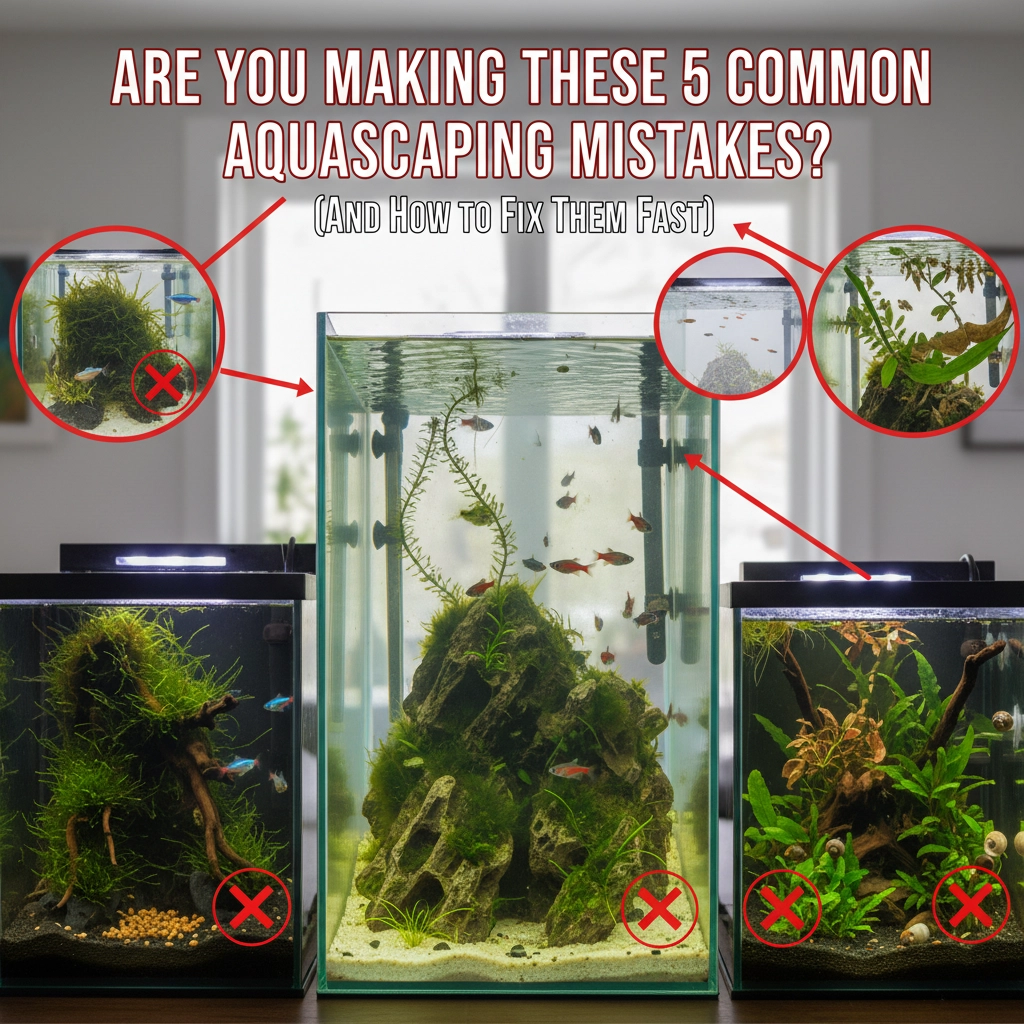
Are You Making These 5 Common Aquascaping Mistakes? (And How to Fix Them Fast)
Are You Making These 5 Common Aquascaping Mistakes? (And How to Fix Them Fast)
Whether you're a seasoned aquascaping veteran or a newcomer ready to dive into the depths of underwater artistry, chances are you've encountered some frustrating setbacks in your aquatic journey. Don't worry: even the most experienced aquarists have made their fair share of mistakes while crafting their mesmerizing underwater masterpieces!
The truth is, aquascaping mistakes are incredibly common, and they can turn your dream tank into a maintenance nightmare faster than you can say "algae bloom." But here's the exciting part: most of these issues are completely fixable with the right knowledge and a little patience.
Today, we're going to explore the five most common aquascaping pitfalls that trip up both beginners and experienced hobbyists alike. More importantly, you'll discover exactly how to fix these mistakes and prevent them from sabotaging your aquatic oasis in the future.
Mistake #1: Creating an Unstable Foundation That's Destined to Collapse
Picture this: you've spent hours carefully arranging your rocks and hardscape, creating what looks like a stunning underwater mountain range. Everything seems perfect until one day: crash! Your entire structure comes tumbling down, potentially cracking your tank glass, crushing your prized corals, or injuring your fish.
An unstable aquascape foundation is hands-down one of the most dangerous mistakes you can make in your tank. When rocks shift or topple over, the consequences can be devastating and expensive.
The Fix: Build Like You're Creating an Underwater Fortress
The secret to a rock-solid aquascape lies in your foundation technique. Here's how to create a structure that'll stand the test of time:
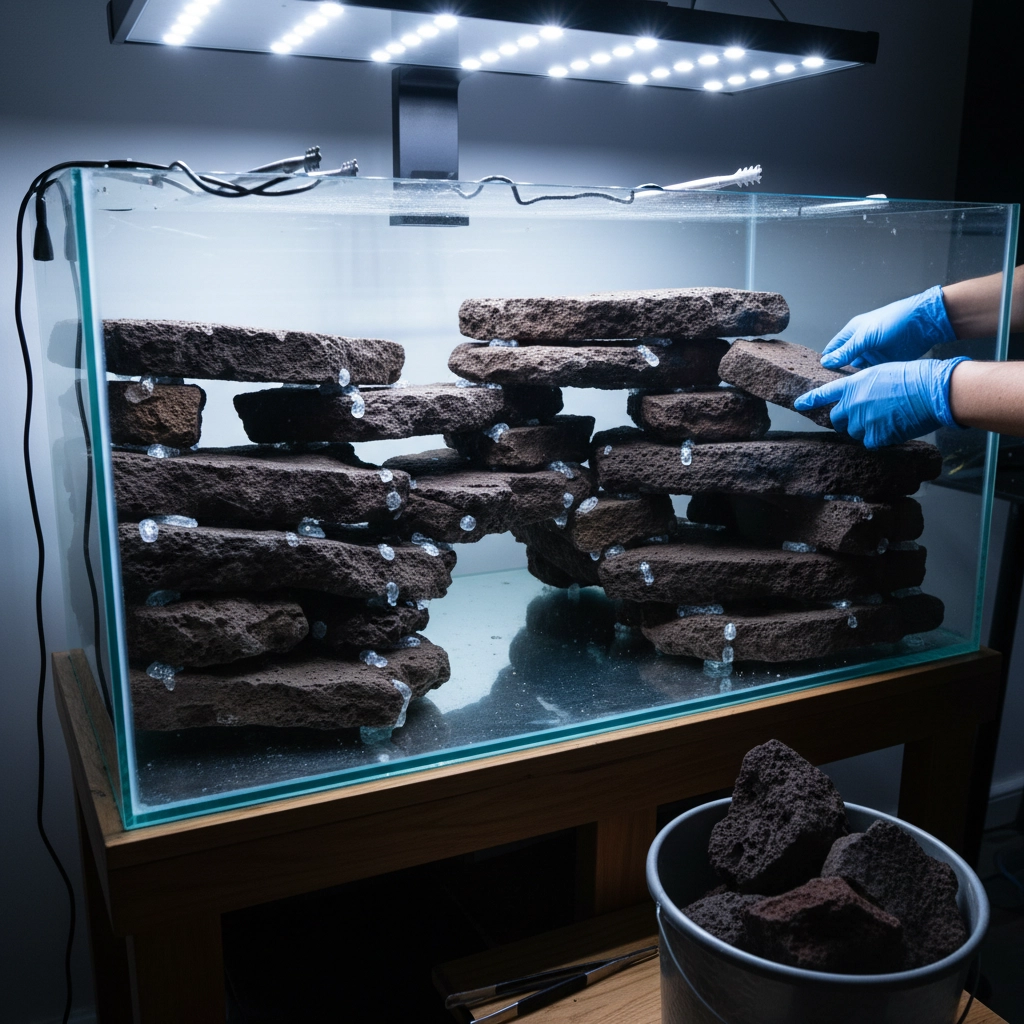
Always place your rocks directly on the tank bottom before adding any substrate. This creates maximum stability and prevents sand-sifting creatures from undermining your structure later.
Choose flat-bottomed pieces as your base layer. Think of these as the bedrock of your aquatic masterpiece: they provide the essential stability that everything else depends on.
Secure connections with aquarium-safe super glue or epoxy. Don't just rely on gravity and hope for the best. Create permanent bonds between rock pieces, especially in the upper sections of your aquascape.
Test everything twice. Give your structure a gentle shake test before adding water. If anything wobbles, reinforce it immediately.
Mistake #2: Turning Your Tank Into an Overcrowded Underwater Metropolis
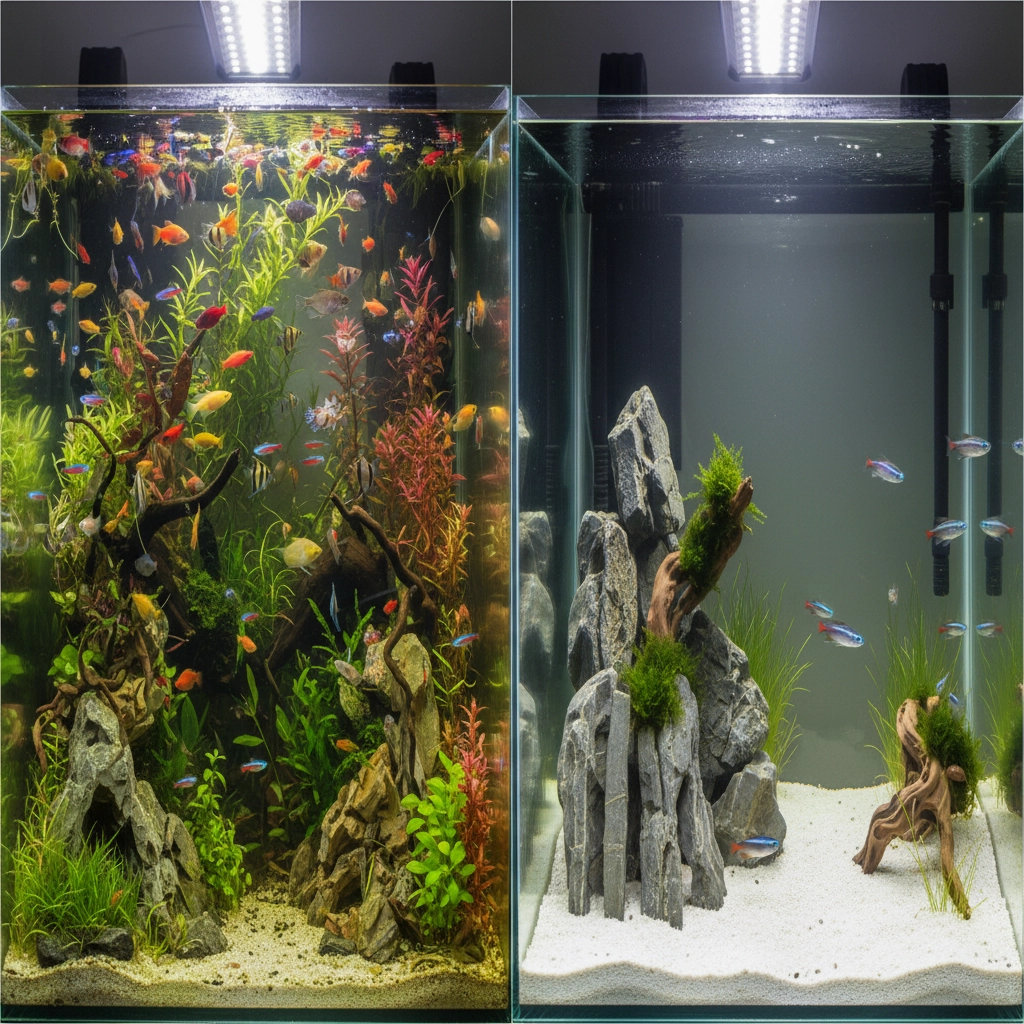
It's tempting to fill every inch of your tank with vibrant fish, lush plants, or impressive rockwork. After all, more is better, right? Wrong! Overcrowding is one of the fastest ways to turn your thriving ecosystem into a stressed, unhealthy environment.
Whether you're overstocking fish, cramming in too many plants, or building an overly complex hardscape, overcrowding creates a cascade of problems. Your water quality suffers, your fish become stressed and aggressive, and maintenance becomes a nightmare.
The Fix: Embrace the Beauty of Negative Space
Creating a balanced aquascape is like conducting an underwater symphony: every element needs room to shine:
Research your fish species thoroughly. Understand their adult size, territorial needs, and bioload requirements before adding them to your tank. That adorable 2-inch fish might grow into an 8-inch bioload monster!
Apply the rule of thirds to your hardscape design. Leave open areas that create natural focal points and visual breathing room.
Keep rocks several inches away from your tank glass. This simple step makes maintenance infinitely easier and prevents dead zones where debris accumulates.
Plan for growth. Whether it's fish or plants, everything in your tank will grow. Design your aquascape with mature sizes in mind, not just how things look on day one.
Mistake #3: Skipping the Planning Phase and Winging Your Design
We get it: the excitement of creating your underwater masterpiece can be overwhelming, and you want to dive right in. But jumping into aquascaping without a clear vision is like trying to build a house without blueprints. The result? A disorganized, functionally poor aquascape that never quite looks right.
Many aquarists make the mistake of placing rocks, plants, and equipment randomly, hoping everything will somehow come together. Unfortunately, this approach rarely creates the cohesive, natural-looking results we're all after.
The Fix: Become an Underwater Architect
Successful aquascaping starts long before you touch a single rock:
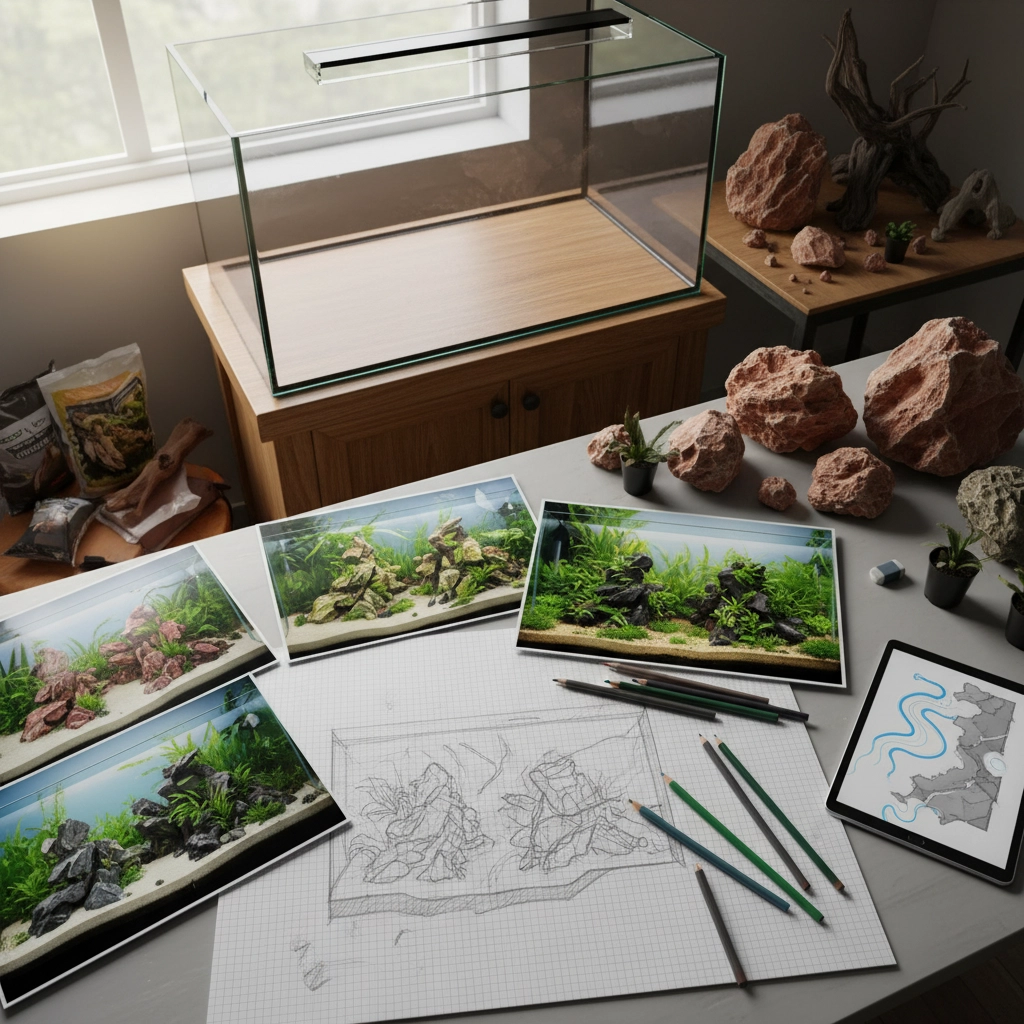
Study successful aquascapes for inspiration. Spend time browsing aquascaping galleries, competition winners, and mature tank photographs. Notice how the masters use proportion, flow, and focal points.
Sketch your design before you start. You don't need to be an artist: even a simple top-down drawing helps you visualize your layout and identify potential problems.
Consider your equipment placement during the design phase. Plan your aquascape around your water pumps, heaters, and filters, or choose equipment that complements your planned layout.
Think about long-term care requirements. Design pathways for maintenance access and consider how different areas will be affected by lighting, flow, and water chemistry.
Mistake #4: Ignoring Water Flow and Creating Deadly Dead Zones
Water movement might seem like a secondary consideration, but it's actually one of the most critical aspects of a successful aquascape. Poor circulation creates stagnant areas where detritus accumulates, leading to algae blooms, poor water quality, and unhealthy conditions for your aquatic inhabitants.
Many aquascapers focus so heavily on the visual aspects of their design that they completely overlook how water moves through their creation. The result? Beautiful-looking tanks that struggle with persistent maintenance issues.
The Fix: Design for Dynamic Water Movement
Creating proper flow requires thinking like water itself: always seeking the path of least resistance:
Design your rockwork with flow channels and gaps. Water should move freely through caves, around structures, and between different levels of your aquascape.
Aim for high flow around the perimeter with calmer areas in the center. This creates natural zones that different fish and corals can occupy based on their preferences.
Never block your pump outputs with large rocks or solid walls. Instead, use your hardscape to redirect and distribute flow throughout the tank.
Monitor and adjust based on debris patterns. Watch where detritus settles during your first few weeks. If you notice consistent problem areas, adjust your pump placement or modify your rockwork to improve circulation.
Mistake #5: Substrate Disasters That Cloud Your Success
Substrate mistakes might seem minor, but they can derail your entire aquascaping project faster than you'd imagine. Using too much substrate, placing sand before rocks, or failing to maintain your substrate properly leads to cloudy water, nutrient imbalances, and frustrated aquarists.
The most common substrate mistake? Placing rocks on top of sand rather than directly on the tank bottom. This creates instability and allows burrowing creatures to undermine your entire structure over time.
The Fix: Master the Foundation-First Approach
Proper substrate technique is all about layering and maintenance:
Always place rocks on the bare tank bottom first. This is non-negotiable for stability and long-term success.
Use substrate sparingly and strategically. A thin layer in the front that gradually increases toward the back creates depth and visual interest without overwhelming your system.
Invest in a quality gravel vacuum. Regular substrate cleaning during water changes prevents the buildup of detritus and harmful compounds.
Control the chaos during fill-ups. Use a plastic bag, piece of hardscape, or kitchen colander to break up the water flow when filling your tank. This prevents substrate disturbance and the dreaded sand storm.
Develop a consistent maintenance routine. Weekly water changes with substrate cleaning, equipment checks, and parameter testing keep your aquascape thriving long-term.
Your Path to Aquascaping Success Starts Now
Remember, every master aquascaper has made these mistakes at some point in their journey. The difference between success and frustration lies not in avoiding all mistakes, but in learning from them quickly and applying the fixes we've covered today.
Your underwater masterpiece doesn't have to be perfect on the first try. Focus on building stable foundations, planning thoughtfully, and maintaining consistently. With patience and the right techniques, you'll create an aquascape that not only looks stunning but thrives for years to come.
The most important thing? Don't let these common mistakes discourage you from pursuing your aquascaping dreams. Every challenge you overcome makes you a better aquarist and brings you one step closer to creating that captivating underwater world you've always envisioned.
Ready to dive deeper into your aquascaping journey? Follow us on social media for daily inspiration, expert tips, and community support! We'd love to see your aquascaping progress: share your tank photos with us for a chance to be featured in our thriving community of passionate aquarists. Have questions about fixing these common mistakes? Don't hesitate to reach out: we're here to help you succeed in creating your perfect aquatic oasis!





.png)