Science-Based Aquarium Setup: Stop Believing These 10 Common Myths
Science-Based Aquarium Setup: Stop Believing These 10 Common Myths
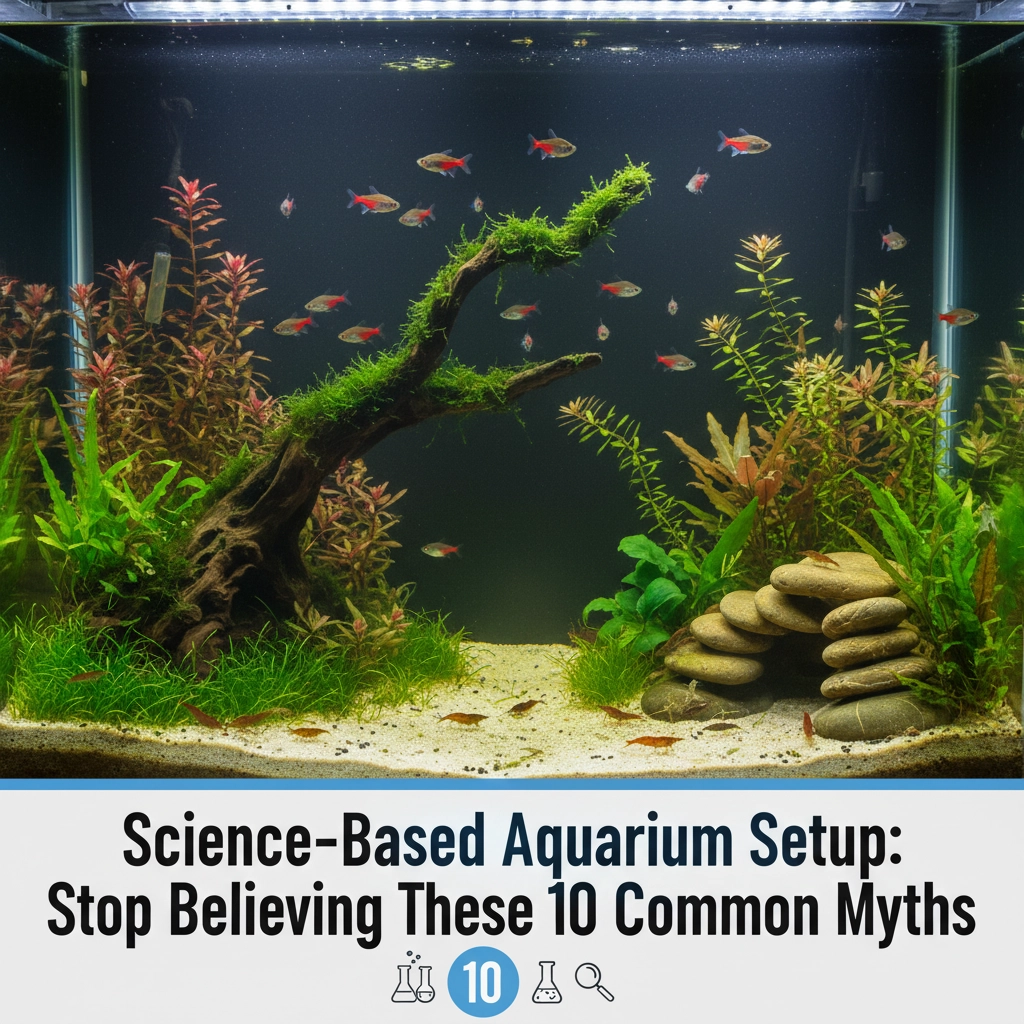
Welcome, fellow aquatic enthusiasts! Whether you're a seasoned veteran or just dipping your toes into the mesmerizing world of fishkeeping, chances are you've encountered some persistent myths that have been swimming around the aquarium community for decades. Today, we're diving deep to separate fact from fiction and help you create a thriving underwater masterpiece based on real science, not outdated folklore.
Let's embark on this journey to debunk the most common misconceptions that could be sabotaging your aquatic oasis!
Myth #1: Fish Only Grow to the Size of Their Tank
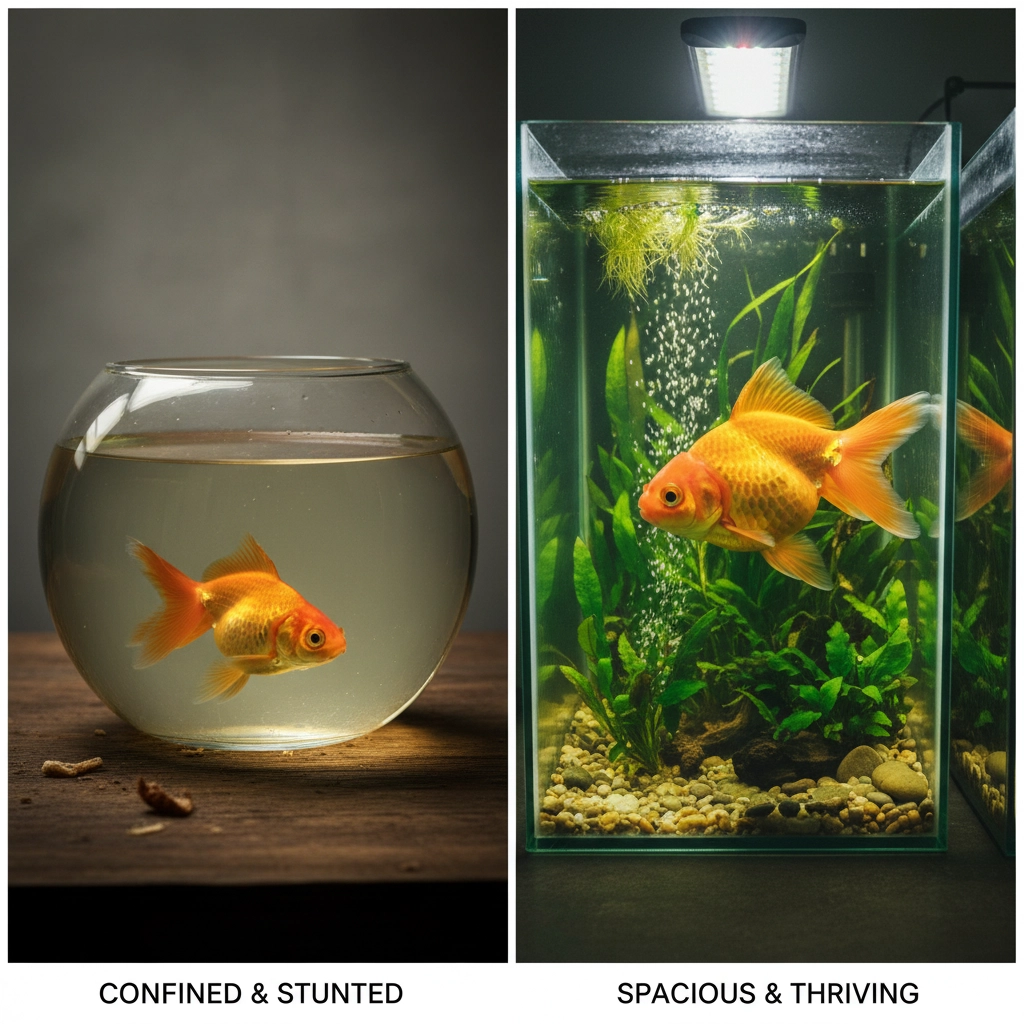
This widespread belief has caused countless fish to suffer in cramped conditions. The truth? Fish don't naturally limit their growth based on tank size – they experience stunted growth due to poor water quality, stress, and inadequate nutrition. When your finned friends can't reach their genetic potential, it's not nature's way of adapting; it's a sign of compromised health.
Your fish deserve the space they need to swim freely and express their natural behaviors. A goldfish cramped in a bowl isn't being considerate of its environment – it's being slowly harmed by it.
Myth #2: Smaller Tanks Are Perfect for Beginners
Here's where many budding aquarists get swept away by misconception! Smaller tanks are actually much more challenging to maintain than their larger counterparts. Think of it like this: a small pond heats up and cools down faster than a lake, and the same principle applies to your aquatic environment.
In smaller volumes of water, toxins concentrate quickly, pH swings dramatically, and temperature fluctuates more rapidly. Your first aquarium should be at least 20 gallons – this gives you a much more stable foundation for your underwater adventure.
Myth #3: Let Your Tank Sit Empty for Weeks to "Cycle"
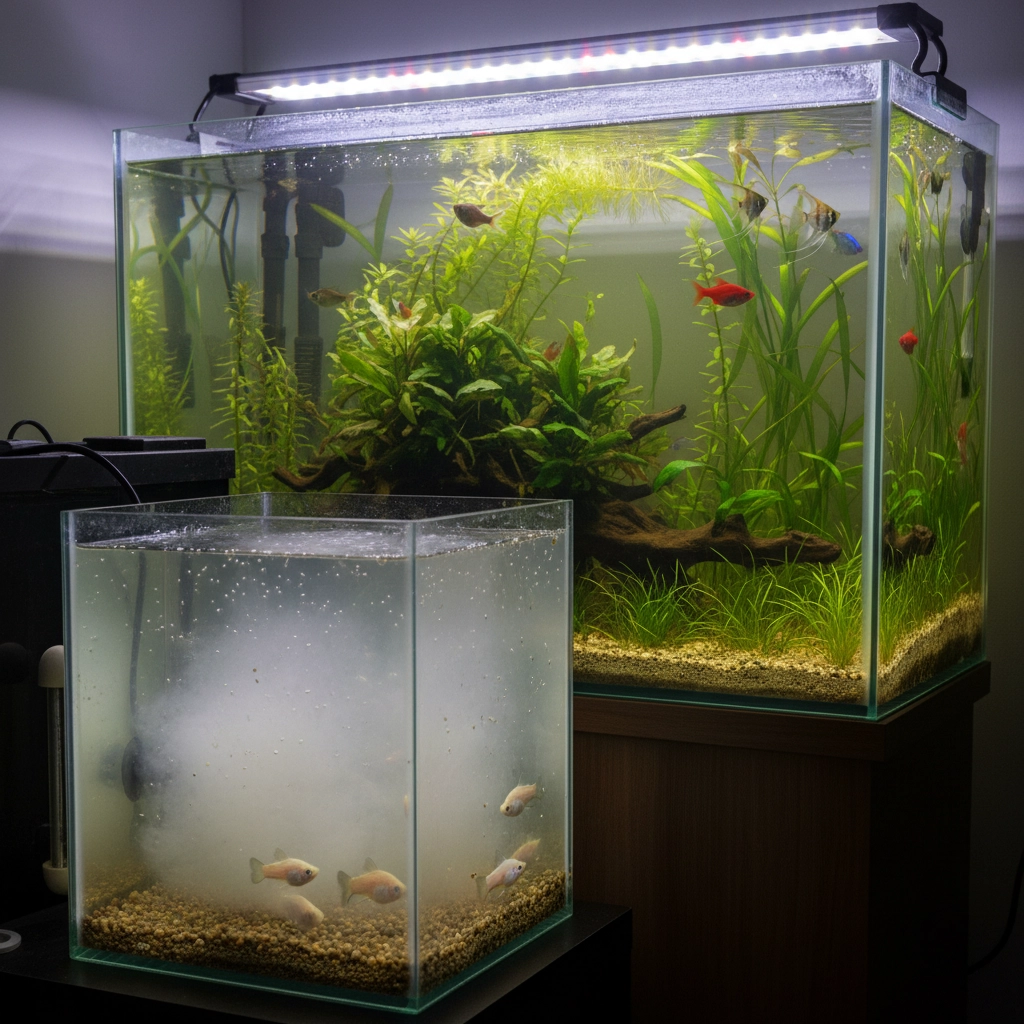
Many newcomers believe that simply letting an empty tank run for a month will magically prepare it for fish. This couldn't be further from the truth! An empty tank sitting idle is no more "cycled" than one that's been running for just 24 hours.
The nitrogen cycle requires beneficial bacteria to establish colonies on surfaces and filter media. These microscopic helpers need a food source (fish waste or added ammonia) to thrive. Your tank is ready when the biological filter is established, not when the calendar says so.
Myth #4: Expensive Equipment Guarantees Success
Don't let flashy marketing campaigns convince you that success requires breaking the bank! Quality doesn't always correlate with price tags in the aquarium world. Your fish care more about stable water parameters, proper filtration, and consistent maintenance than whether your equipment has a premium brand name.
Focus on understanding what your aquatic ecosystem actually needs, then choose equipment that meets those requirements effectively – regardless of cost.
Myth #5: All Fish Foods Are Created Equal
This myth has led to countless nutritional deficiencies in aquarium fish. Different foods have vastly different nutritional profiles, quality levels, and ingredient sources. Just as you wouldn't feed a carnivorous cat the same diet as a herbivorous rabbit, your fish species have specific dietary requirements.
Research your fish's natural diet and choose foods that mirror their nutritional needs. Your vibrant, healthy fish will thank you with dazzling colors and energetic behavior!
Myth #6: Fish Are Set-and-Forget Pets
If you've heard that fish are low-maintenance pets you can ignore for weeks, prepare to dive into a reality check! Successful fishkeeping requires consistent attention to water quality, regular maintenance, and careful observation of your aquatic friends' behavior and health.
Your fish depend on you to maintain their life-support system. Regular water testing, partial water changes, and equipment maintenance aren't optional – they're essential for your underwater community's survival and prosperity.
Myth #7: Algae Must Be Eliminated Immediately
Many aquarists panic at the first sign of algae, frantically scrubbing every green spot they can find. Here's the truth: some algae growth is completely normal and even beneficial! Algae provides natural filtration, produces oxygen, and serves as food for many aquatic species.
The key is balance, not elimination. Focus on controlling excessive growth rather than achieving a sterile, algae-free environment that doesn't exist in nature.
Myth #8: Quarantine Tanks Are Unnecessary
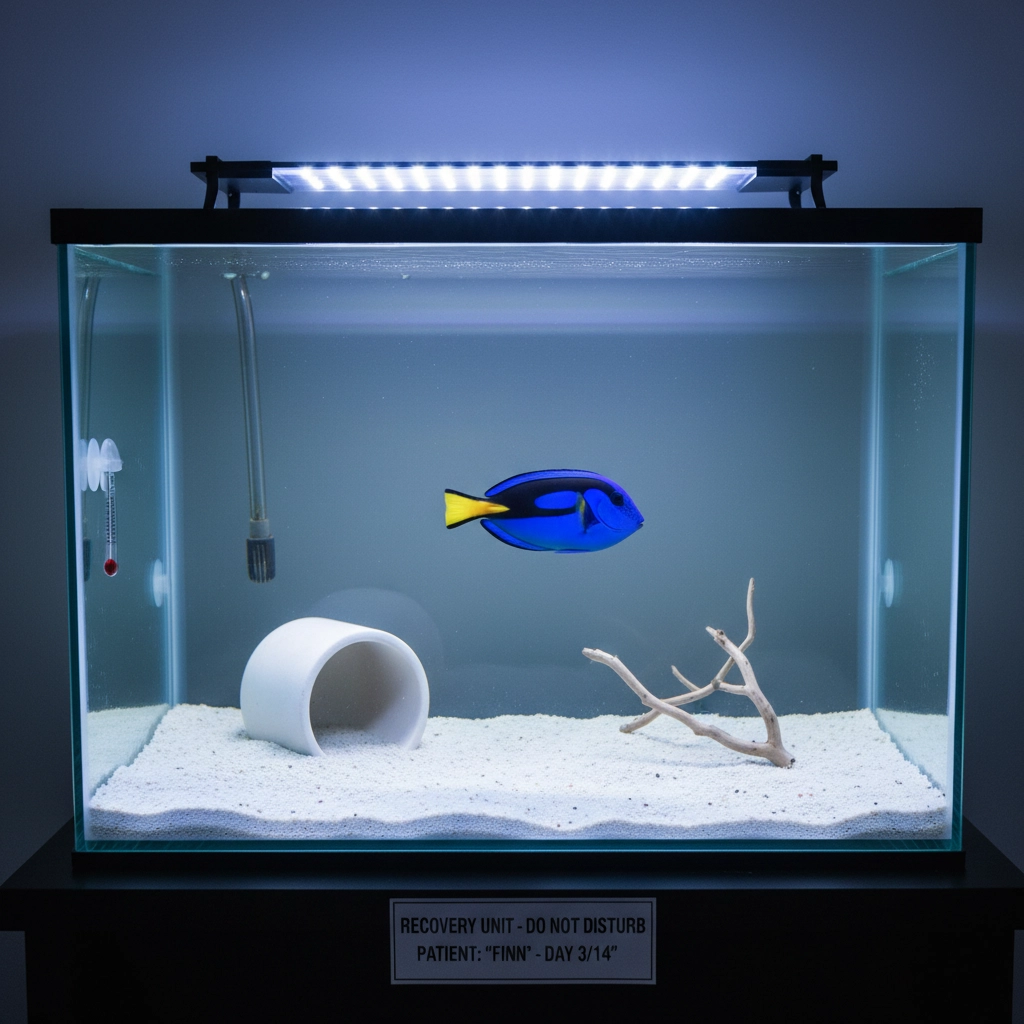
Skipping quarantine is like inviting unknown guests to a party without knowing if they're carrying contagious diseases. Every new addition to your tank should spend time in quarantine – whether it's fish, plants, or invertebrates.
This critical step protects your established community from parasites, diseases, and other unwanted hitchhikers. A few weeks of patience in quarantine can save you months of treatment and heartache later.
Myth #9: Air Pumps Directly Add Oxygen to Water
Many aquarists believe air pumps work like underwater oxygen tanks, directly injecting oxygen into the water. The reality is more nuanced and fascinating! Air pumps create surface agitation and water movement, which facilitates gas exchange at the water's surface.
You can maintain perfectly healthy, well-oxygenated tanks without air pumps if you have adequate surface movement from filters or other circulation methods. Understanding this principle helps you make better decisions about aeration based on actual water movement needs.
Myth #10: Clean That Brown "Gunk" From Your Filter Regularly
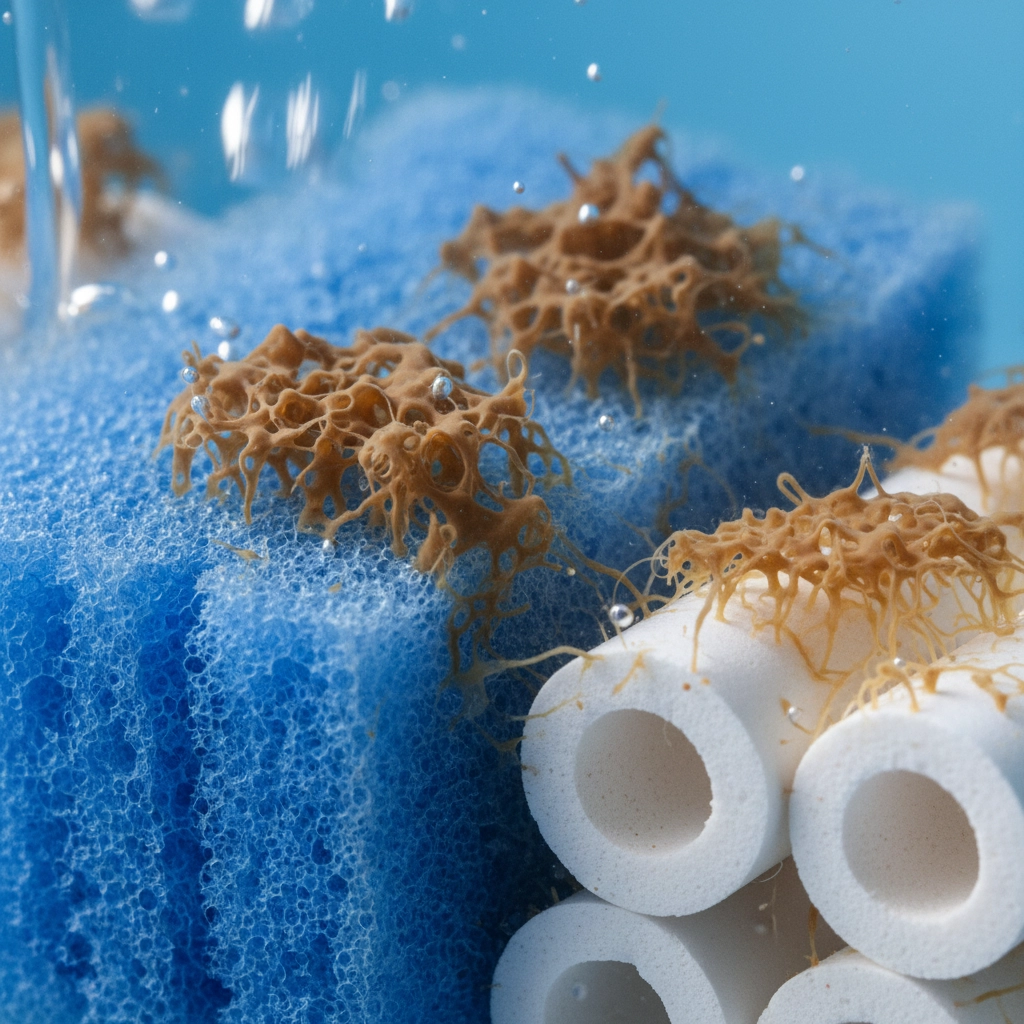
This might be the most destructive myth in aquarium keeping! That brownish, slimy material coating your filter media isn't waste to be discarded – it's your biological filter in action! This biofilm contains millions of beneficial bacteria that convert toxic ammonia into less harmful compounds.
When you rinse filter media, use old tank water and be gentle. You're preserving a living ecosystem, not cleaning dirty equipment. Those beneficial bacteria are working 24/7 to keep your fish healthy and your water parameters stable.
Breaking Free from Myth-Based Fishkeeping
As you continue your aquatic journey, remember that science should guide your decisions, not folklore passed down through generations of well-meaning but misinformed aquarists. When you encounter new advice, ask yourself: Is this based on fish biology and water chemistry, or just tradition?
Your fish deserve care based on facts, not fiction. Focus on the fundamentals: proper filtration, stable water parameters through regular testing, appropriate stocking levels, and consistent maintenance. These science-based practices will serve you far better than any collection of aquarium myths.
The captivating world of fishkeeping becomes even more rewarding when you understand the real principles behind creating thriving aquatic environments. Your dedication to learning the truth will result in healthier fish, more stable tanks, and countless hours of mesmerizing underwater beauty.
Ready to put science-based fishkeeping into practice? We'd love to see your thriving aquatic masterpieces! Follow us on social media for daily tips, inspiration, and community support. Have questions about debunking myths in your own setup? Reach out – we're here to help you succeed! Share photos of your aquarium journey with us for a chance to be featured in our growing community of passionate aquarists who prioritize fish health over fish myths.






.png)