Biotope Tanks Explained: How to Create a Natural Habitat Theme in Under 30 Minutes
Biotope Tanks Explained: How to Create a Natural Habitat Theme in Under 30 Minutes
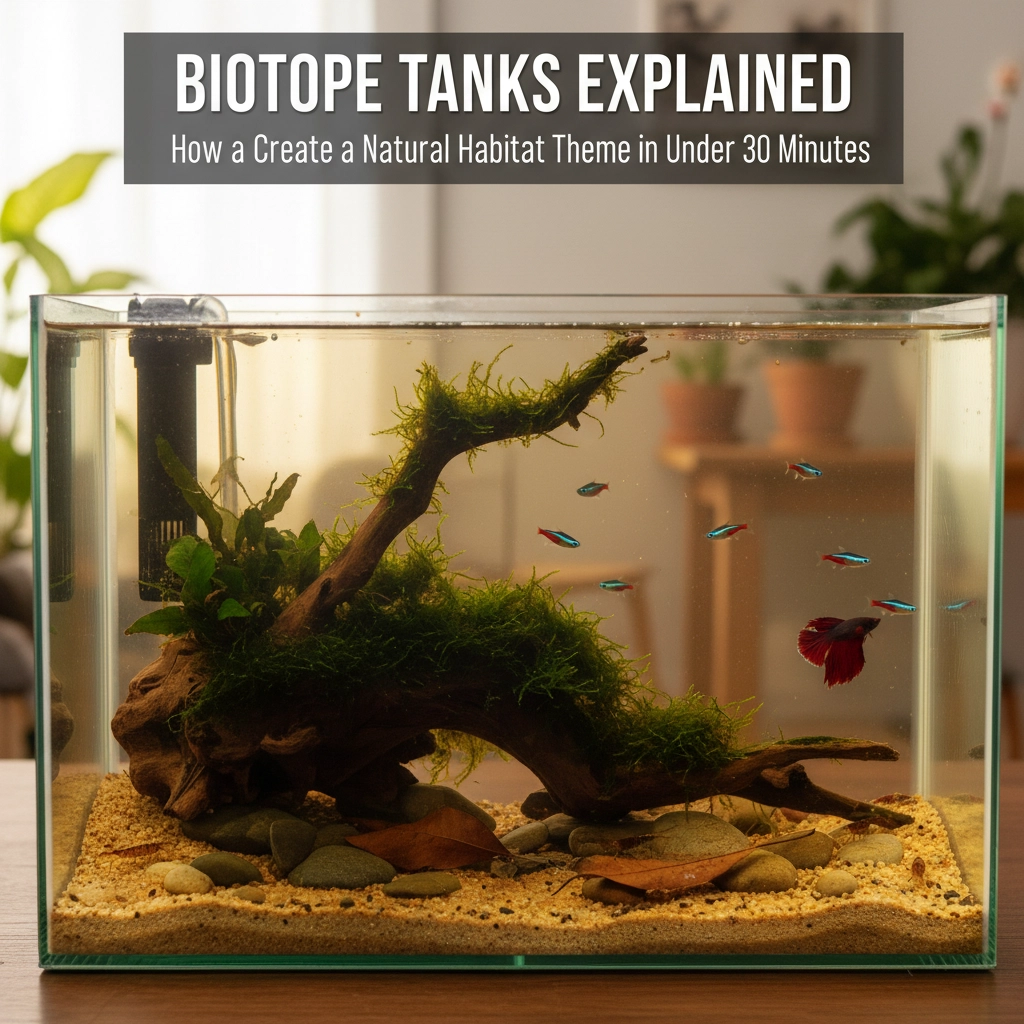
Welcome, aquatic adventurers! Whether you're a seasoned tank veteran or just dipping your toes into the mesmerizing world of aquascaping, you're about to dive into one of the most captivating approaches to fishkeeping: biotope aquariums. These underwater masterpieces aren't just beautiful: they're living recreations of nature's own aquatic habitats.
Ready to transform your tank into a slice of the Amazon rainforest or an African rift lake? Let's explore how you can plan and design your dream biotope in just 30 minutes of focused preparation.
What Exactly Is a Biotope Aquarium?
Think of a biotope tank as your personal underwater time machine. Instead of mixing fish from around the globe like a typical community tank, a biotope aquarium recreates a specific natural habitat found in the wild. Every element: from the fish swimming freely to the plants swaying in the current, the substrate beneath, and even the water chemistry: mirrors what you'd find in a particular river, lake, or stream somewhere on our planet.
The magic lies in the authenticity. When you create an Amazon biotope, you're not just adding some driftwood and calling it a day. You're researching the exact pH levels of the Rio Negro, selecting fish species that naturally coexist in those waters, and choosing plants that thrive in that specific environment. It's like bringing a piece of the wild directly into your living room.
Why Biotope Tanks Are Game-Changers
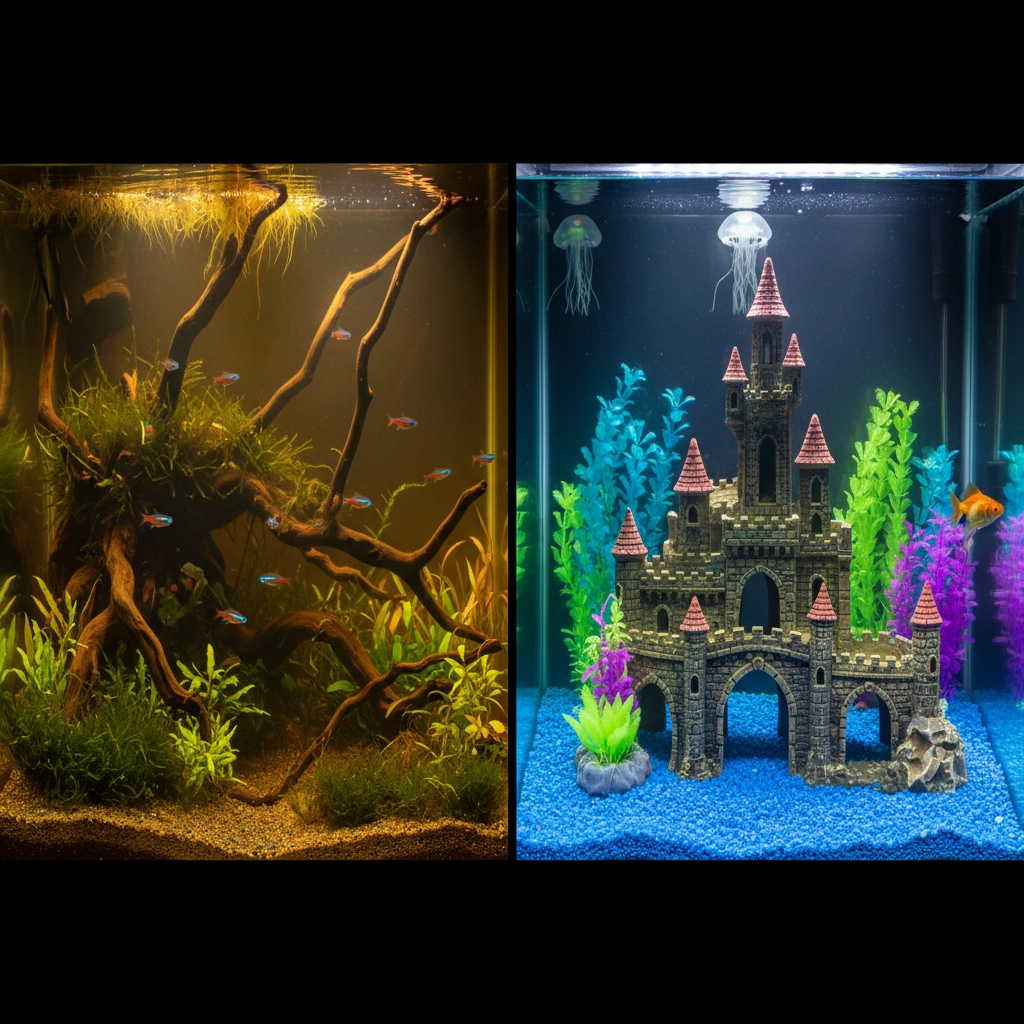
Your fish will thank you for creating a biotope setup, and here's why this approach creates such thriving aquatic communities:
Stress-Free Living: Fish feel most comfortable in environments that mirror their natural homes. When water parameters, tank mates, and surroundings match their wild habitat, you'll notice more natural behaviors, vibrant colors, and overall healthier fish.
Easier Maintenance: Once established, biotope tanks often maintain themselves better than mixed-species setups. The plants, fish, and beneficial bacteria work together in harmony, just like they do in nature.
Educational Adventure: Each biotope you create becomes a window into a different part of our world. You'll learn about ecosystems, geography, and conservation while enjoying your aquatic oasis.
Breeding Success: Many fish species are more likely to spawn in biotope conditions because the environment triggers their natural reproductive instincts.
Your 30-Minute Biotope Planning Session
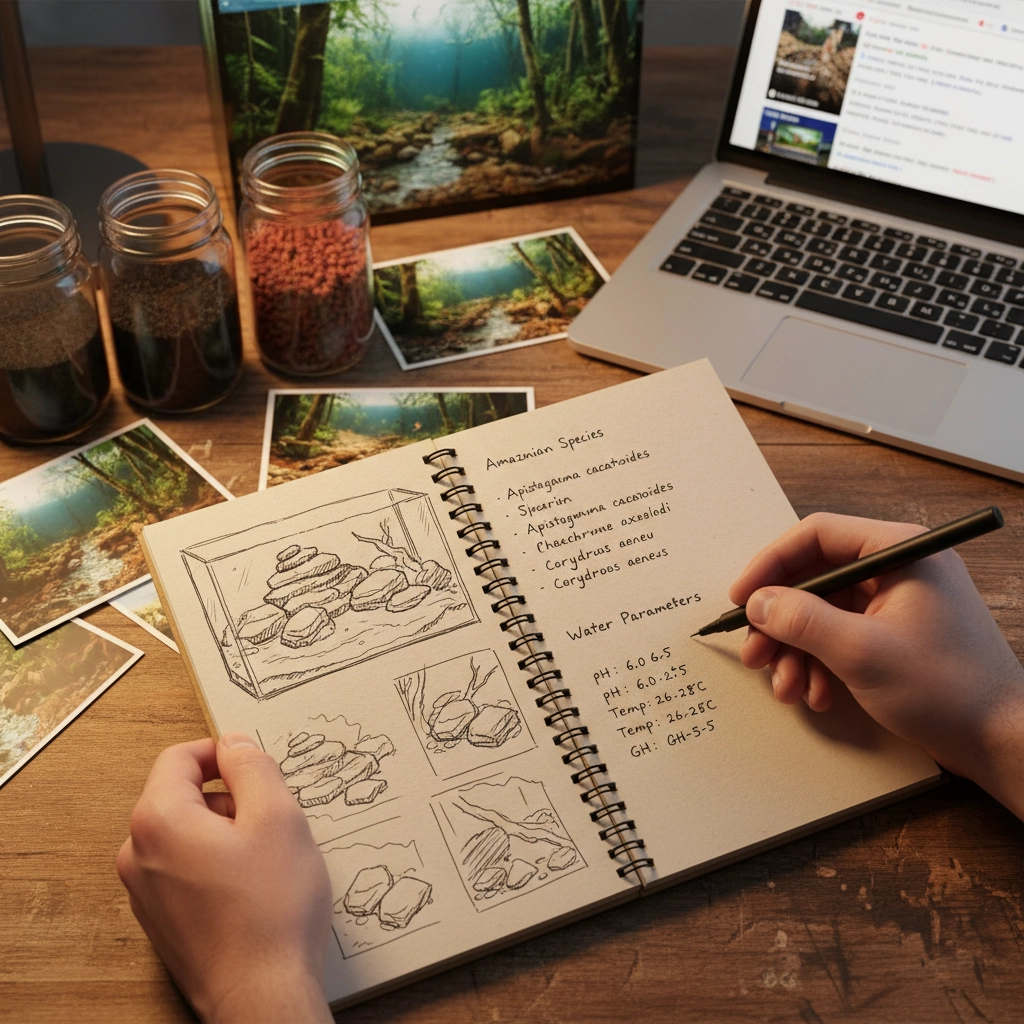
Here's your roadmap to planning your biotope aquarium in half an hour. Grab a notebook and let's dive in!
Minutes 1-10: Choose Your Destination
Start by selecting which natural habitat captures your imagination. Popular biotope themes include:
- Amazon River System: Soft, acidic water with lush vegetation and driftwood
- Lake Malawi, Africa: Alkaline water with rocky caves and colorful cichlids
- Southeast Asian Streams: Gentle currents with dense plant growth
- Central American Rivers: Moderate water flow with mixed substrate
- Australian Billabongs: Seasonal water levels with native species
Pick the one that excites you most: your enthusiasm will fuel the entire project.
Minutes 11-20: Research Your Habitat
Once you've chosen your biotope, spend these crucial minutes gathering key information:
- Water Parameters: Note the pH, temperature, and hardness ranges
- Native Fish Species: List 3-5 fish species that naturally occur together
- Plant Life: Identify aquatic plants native to your chosen region
- Physical Features: Document typical substrate, rock formations, and wood types
Pro tip: Use online databases and aquarium forums to gather authentic information about your chosen biotope.
Minutes 21-30: Create Your Shopping List
Transform your research into action with a practical shopping list:
- Tank size requirements based on your fish choices
- Filtration needs (gentle for swamps, stronger for rivers)
- Substrate type and quantity
- Hardscape materials (specific rock or wood types)
- Plant species and quantities
- Fish species and recommended numbers
Step-by-Step Biotope Setup Guide
Now that you've done your planning homework, let's bring your vision to life with this comprehensive setup process.
Step 1: Prepare Your Foundation
Start with the right tank size for your biotope. Amazon setups typically need 40+ gallons to accommodate larger fish and create proper water volume for stability. African rift lake biotopes often require even more space: think 75 gallons or larger.
Install your filtration system based on your habitat's natural water movement. River biotopes need moderate to strong currents, while lake environments prefer gentler circulation.
Step 2: Create Your Landscape
Substrate Selection: This isn't just about looks: substrate affects water chemistry. Coral sand raises pH for African lake biotopes, while river sand keeps parameters neutral for Amazon setups.
Hardscape Installation: Place rocks and driftwood to create natural-looking formations. In nature, rocks don't form perfect pyramids, and wood doesn't sit at 90-degree angles. Study photos of your chosen habitat for authentic placement ideas.
Step 3: Plant Your Underwater Garden
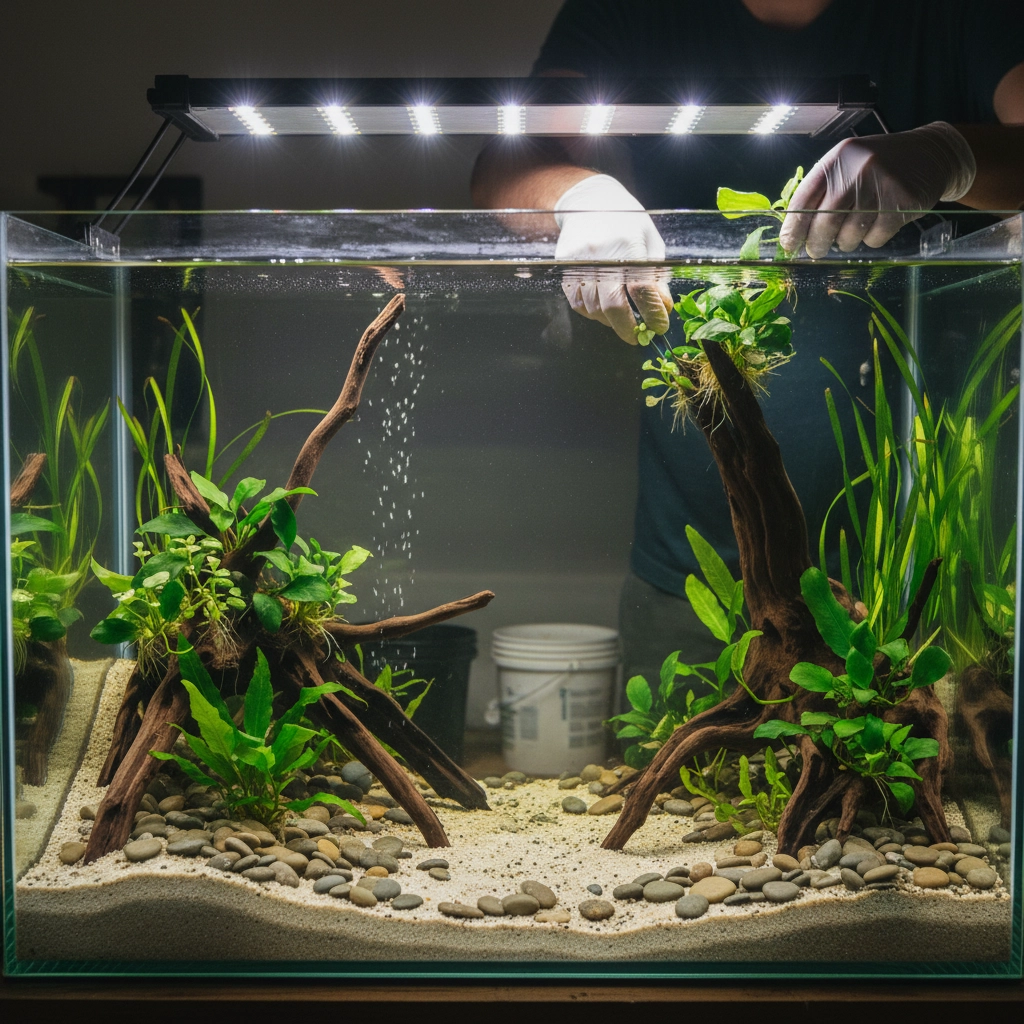
Native plants are crucial for authenticity and water quality. Amazon biotopes might feature Amazon swords, java ferns, and floating plants. African lake biotopes typically have fewer plants, focusing more on algae and hardy species that can tolerate alkaline conditions.
Plant before adding water to avoid uprooting during the filling process. Start with background plants, then work your way forward.
Step 4: Fine-Tune Water Chemistry
This step separates true biotope enthusiasts from casual aquascapers. Use appropriate buffers, minerals, or RO water to match your target parameters exactly. Patience here pays dividends: your fish will show their true colors and natural behaviors when water conditions are spot-on.
Step 5: Introduce Your Aquatic Residents
Add fish gradually, starting with hardier species that can help establish beneficial bacteria populations. Research natural group sizes: some biotope fish live in massive schools, while others prefer smaller groups or pairs.
Popular Biotope Themes to Inspire You
The Amazon Blackwater Classic
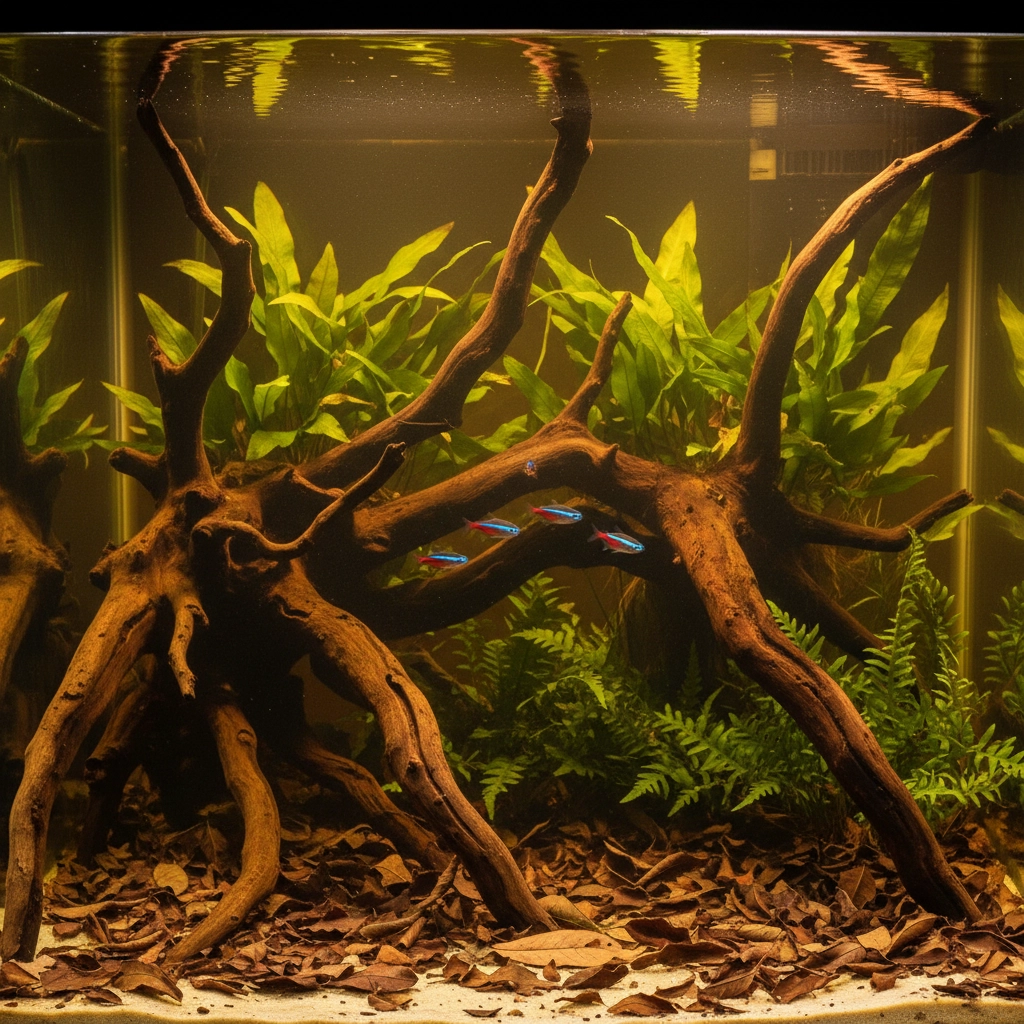
Picture yourself floating down the Rio Negro, surrounded by massive tree roots and soft, tea-colored water. This biotope features:
- pH: 4.5-6.5
- Temperature: 78-84°F
- Fish: Cardinal tetras, angelfish, discus, Corydoras catfish
- Plants: Amazon swords, java fern, floating plants
- Hardscape: Driftwood, leaf litter
Lake Malawi Rock Paradise
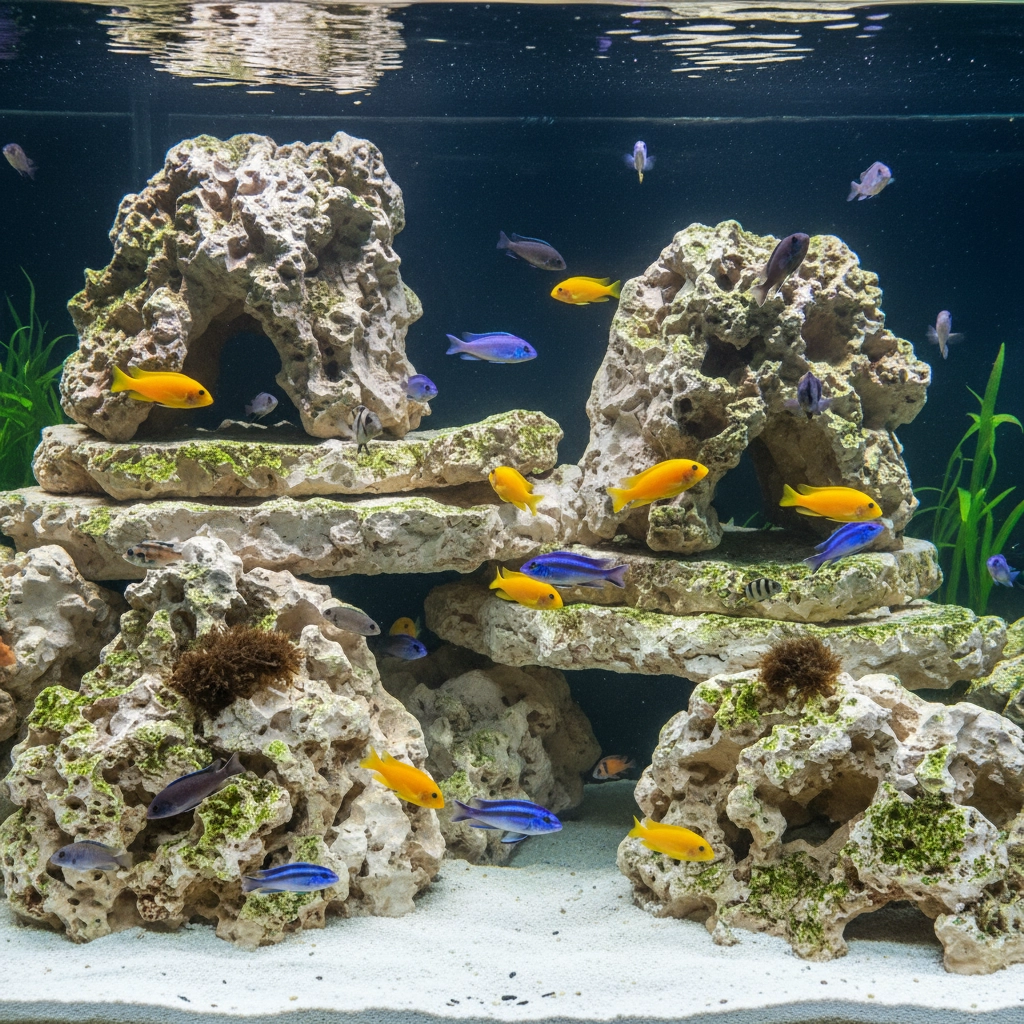
Transport yourself to East Africa's stunning rift lake, where rocky shores meet crystal-clear alkaline water:
- pH: 7.8-8.6
- Temperature: 76-82°F
- Fish: Mbuna cichlids, Peacock cichlids
- Plants: Minimal: focus on algae growth on rocks
- Hardscape: Limestone rocks, coral sand
Southeast Asian Stream Sanctuary
Recreate the gentle streams of Thailand or Malaysia:
- pH: 6.0-7.0
- Temperature: 74-79°F
- Fish: Rasboras, gouramis, loaches
- Plants: Cryptocoryne species, java moss, stem plants
- Hardscape: River rocks, driftwood, fine sand
Maintaining Your Natural Masterpiece
Biotope tanks reward good maintenance practices with stunning displays and healthy fish. Focus on these key areas:
Water Changes: Maintain parameters by using appropriately prepared water for changes. If your biotope requires soft water, don't use hard tap water for top-offs.
Feeding: Research the natural diets of your fish species. Many biotope fish have specialized feeding requirements that differ from standard flake foods.
Seasonal Variations: Some biotopes experience natural seasonal changes. Advanced hobbyists might simulate these with temperature or water level variations to encourage breeding.
Common Mistakes to Avoid
Even experienced aquarists can stumble when creating their first biotope. Here are pitfalls to sidestep:
- Mixing fish from different continents (even if they have similar requirements)
- Using decorations that don't match the natural habitat
- Ignoring water chemistry in favor of "close enough" parameters
- Overcrowding because biotope fish "look better in groups"
Your Journey Into Natural Aquascaping
Creating a biotope aquarium is more than just setting up another fish tank: it's about connecting with nature and providing the best possible home for your aquatic friends. The research phase might take 30 minutes, but the rewards last for years as you watch natural behaviors unfold in your living room.
Whether you choose to recreate the mysterious blackwaters of the Amazon or the crystal-clear depths of an African rift lake, your biotope journey will deepen your appreciation for both aquatic life and the incredible diversity of our planet's waterways.
Ready to start your biotope adventure? Follow us on social media for daily inspiration, maintenance tips, and amazing biotope setups from our community! Have questions about your planned biotope or want to share photos of your progress? Reach out to us: we love connecting with fellow aquatic enthusiasts. Share your biotope photos with us for a chance to be featured in our community showcase!






.png)