Is Your Aquarium Water Chemistry Bad? 10 Signs You Need to Act Now
Is Your Aquarium Water Chemistry Bad? 10 Signs You Need to Act Now
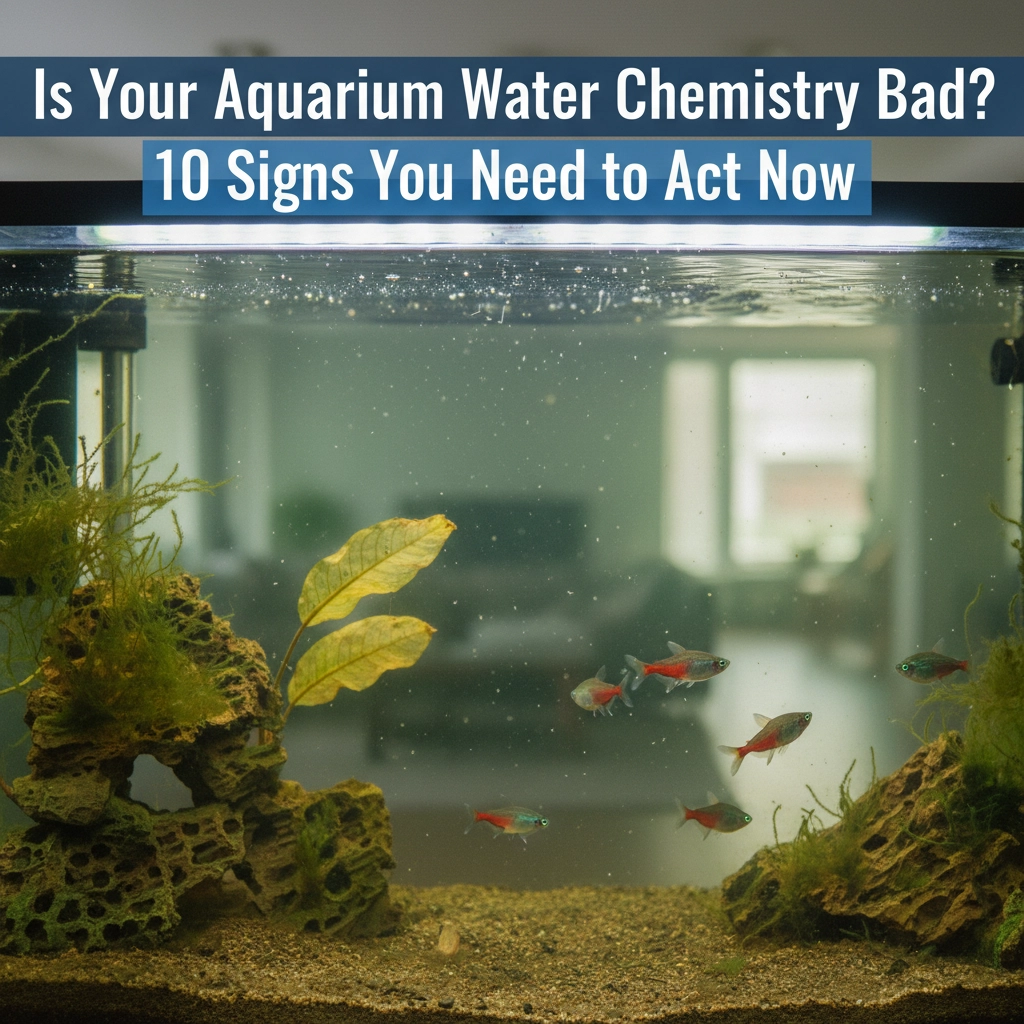
Hey there, fellow aquatic enthusiasts! Whether you're a seasoned veteran or just dipping your toes into the mesmerizing world of aquarium keeping, there's one thing that can make or break your underwater masterpiece: water chemistry. Your fish are counting on you to maintain their aquatic oasis, but sometimes the warning signs of trouble can be as murky as poorly maintained tank water.
Don't worry though – I've got your back! Today we're diving deep into the telltale signs that your aquarium's water chemistry needs immediate attention. Think of this as your early warning system to keep your finned friends swimming freely and thriving in their captivating environment.
1. Explosive Algae Growth Takes Over Your Tank
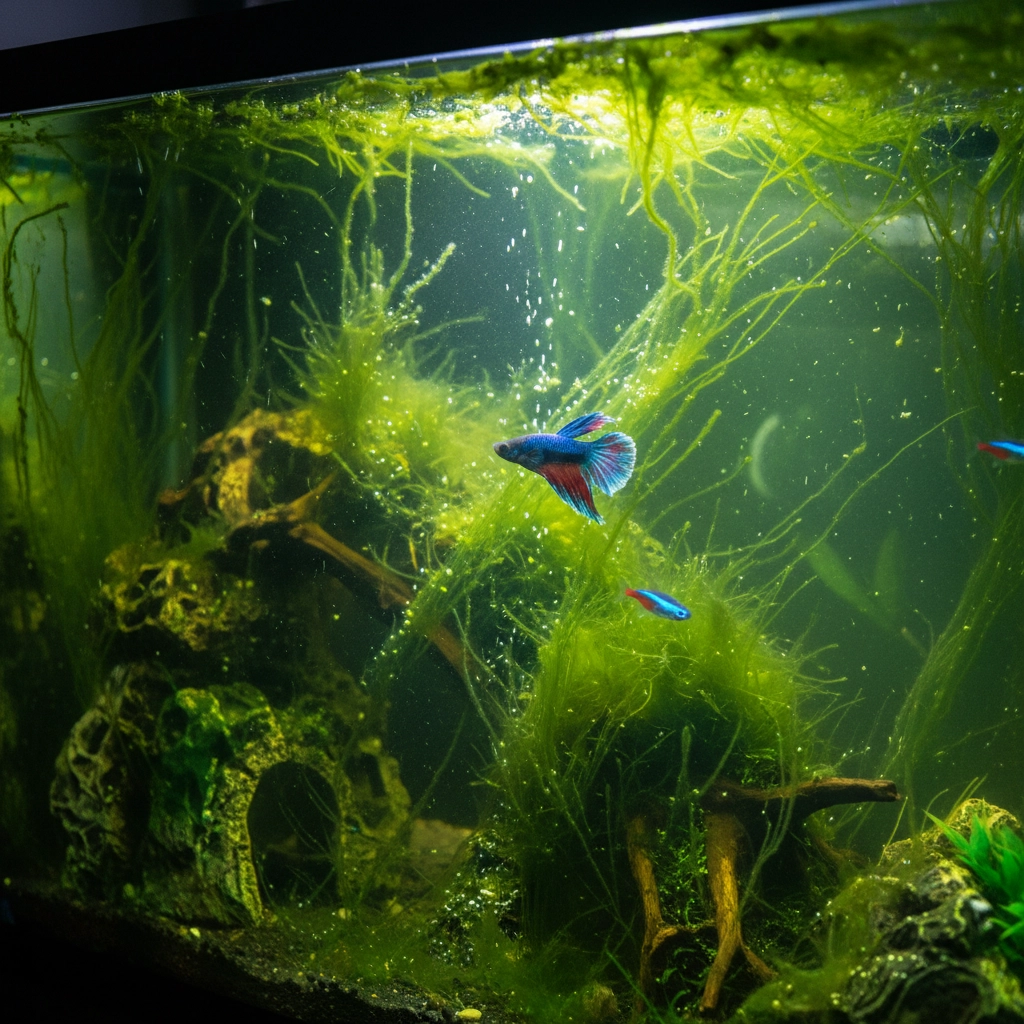
When algae starts growing faster than you can say "aquascaping," your water chemistry is definitely sending out an SOS signal. While a little algae is perfectly natural (and even beneficial!), excessive growth that turns your crystal-clear aquatic paradise into a green jungle means trouble.
Algae thrives in water with high nutrient levels, particularly when nitrate and phosphate concentrations spike beyond healthy ranges. This green invader loves slightly acidic conditions and will quickly restrict your fish's swimming space while competing for precious oxygen. If you're constantly battling algae blooms that seem to appear overnight, it's time to test those water parameters!
2. Your Once-Crystal Waters Turn Cloudy or Dull
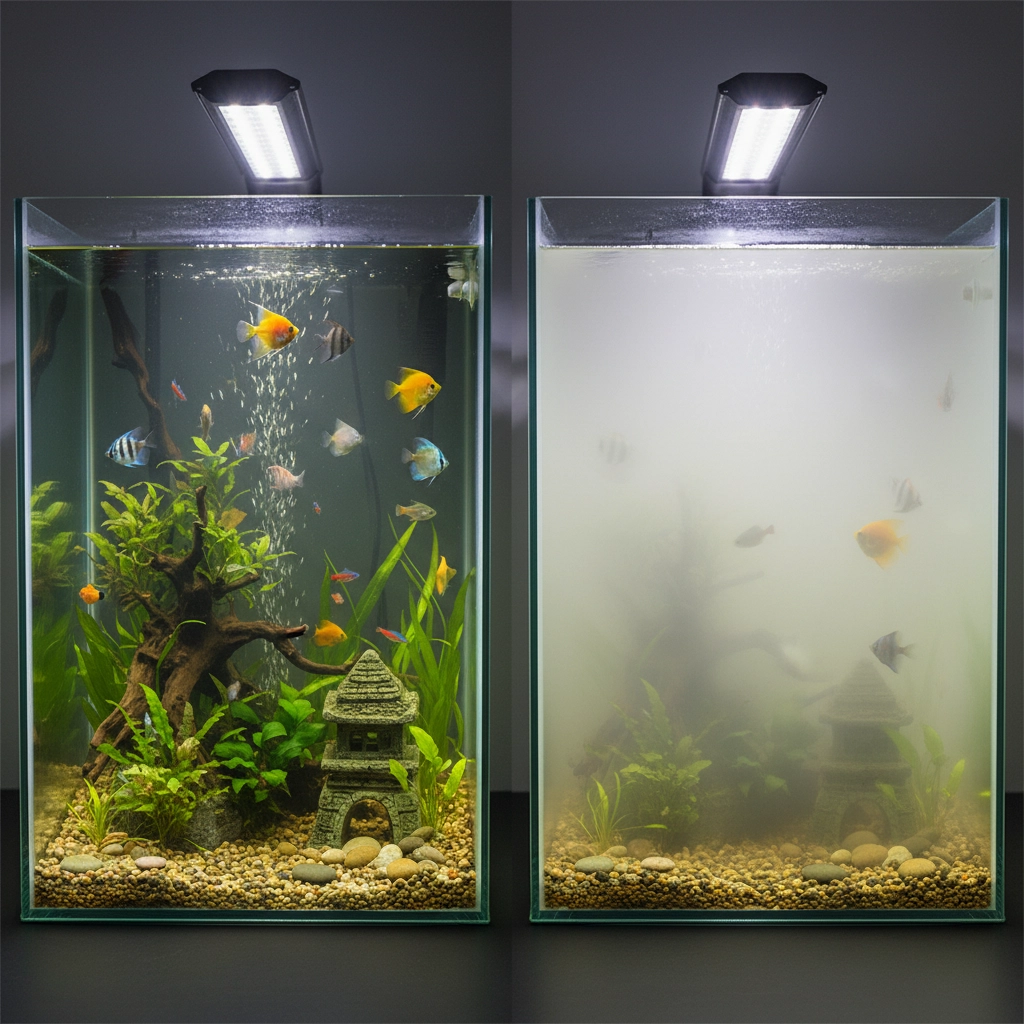
Remember when you first set up your tank and the water was so clear you could count every grain of substrate? If your aquarium water has developed that telltale dull, milky appearance, you're looking at a classic symptom of serious water chemistry issues.
This cloudiness typically results from excessive bacteria in the water column – specifically heterotrophic bacteria that multiply rapidly when organic waste accumulates and starts decomposing. Your tank's natural balance has tipped, and those beneficial bacteria are working overtime trying to process all that waste.
3. Mysterious Foam and Bubbles Appear at the Surface
Here's something that catches many aquarists off guard: excessive foam or bubbles on your water's surface, even when your aeration system is running normally. This unusual buildup signals that dissolved compounds are present that shouldn't be there in a healthy aquatic environment.
Often, this foamy layer indicates excess ammonia or other toxic compounds have built up in your water. It's your tank's way of literally bringing these problems to the surface where you can see them!
4. Your Fish Start Acting Strange
Fish are incredibly sensitive to water chemistry changes, and they'll tell you something's wrong long before your test kit does. Watch for these behavioral red flags:
- Frantic or erratic swimming patterns - like they're trying to escape something invisible
- Lethargy and listlessness - hanging out at the bottom or moving sluggishly
- Rapid breathing or gasping at the surface - desperately trying to get more oxygen
- Hiding more than usual - seeking shelter from stress
When water chemistry goes south, fish experience the aquatic equivalent of trying to breathe in a stuffy, polluted room. Their behavior changes are cry for help that shouldn't be ignored.
5. White Spots and Physical Changes Appear on Your Fish
Those dreaded white spots appearing on your fish (known as Ich in the aquarium world) are often triggered by water quality stress. When your water chemistry is off, your fish's immune systems become compromised, making them vulnerable to parasites and diseases they'd normally fight off easily.
You might also notice your fish rubbing against rocks, decorations, or substrate – a behavior called "flashing." This isn't playful behavior; it's your fish trying to relieve the irritation caused by poor water conditions affecting their delicate skin and gills.
6. Gray Sludge Builds Up on Your Tank Bottom
That unappetizing gray-brown sludge accumulating at the bottom of your tank is basically your aquarium's way of waving a white flag. This buildup consists of decomposing organic waste – uneaten food, dead plant matter, and fish waste – breaking down in an oxygen-poor environment.
As this organic matter decomposes, it acidifies your water and releases harmful compounds that can quickly turn your thriving ecosystem into a toxic environment. If you're seeing this sludge layer growing thicker, your tank's natural waste processing system is overwhelmed.
7. Ammonia Levels Spike Above Zero
Here's the big one – ammonia is the number one killer of aquarium fish, and any detectable level should set off alarm bells in your head. In a healthy, established aquarium, ammonia levels should always read 0.0 ppm or be completely undetectable.
Ammonia forms naturally from fish waste and decomposing organic matter, but in a properly cycled tank, beneficial bacteria quickly convert it to less harmful compounds. When ammonia spikes occur, it means your biological filtration system is failing, and your fish are literally being poisoned by their own waste products.
8. Nitrite Levels Rise Above Safe Parameters
Just as dangerous as ammonia, nitrite is the next step in your tank's nitrogen cycle. When beneficial bacteria break down ammonia, they produce nitrite – and elevated nitrite levels are equally deadly to your aquatic friends.
High nitrite essentially suffocates fish from the inside by interfering with their blood's ability to carry oxygen. It's like having carbon monoxide in your home – invisible, odorless, but potentially fatal. Like ammonia, nitrite levels should always remain at zero in a healthy aquarium.
9. Nitrate and Phosphate Levels Climb Out of Control
While not immediately toxic like ammonia and nitrite, elevated nitrate and phosphate levels are like a slow-burning fuse that eventually explodes into major problems. These compounds fuel that explosive algae growth we talked about earlier and indicate poor overall water management.
Nitrate levels should stay below 20-40 ppm for most freshwater fish, while phosphates should remain as close to zero as possible. When these levels climb higher, you're essentially fertilizing your tank for unwanted plant growth while stressing your fish.
10. pH Becomes Unstable or Crashes Dramatically
Your aquarium's pH should remain stable within your fish species' preferred range. When pH starts fluctuating wildly or steadily declining over time, it indicates your water's buffering capacity has been compromised by accumulating organic waste.
A pH crash is particularly dangerous and can happen suddenly. Fish experiencing rapid pH changes may exhibit frantic swimming, extreme lethargy, and rapid breathing as their bodies struggle to cope with the dramatic shift in their environment's chemistry.
Taking Immediate Action When You Spot These Signs
Don't panic if you've recognized some of these warning signs in your aquarium – there's always hope for turning things around! Here's your action plan:
Test your water immediately using quality test kits for ammonia, nitrite, nitrate, and pH. Knowledge is power when it comes to water chemistry problems.
Perform partial water changes of 20-30% using properly conditioned water. This dilutes harmful compounds and gives your fish immediate relief.
Check and clean your filtration system – a clogged or failing filter is often the root cause of water chemistry disasters.
Reduce feeding temporarily to minimize waste production while your system recovers.
Remove any dead plant matter, uneaten food, or other organic debris that's contributing to the problem.
Remember, consistency is key in aquarium keeping. Regular testing and maintenance prevent most water chemistry emergencies before they start.
Ready to dive deeper into creating your perfect aquatic masterpiece? Follow us on social media for daily tips, stunning aquarium inspiration, and expert advice that'll keep your underwater world thriving! Have questions about your specific setup? Don't hesitate to reach out – we're here to help you succeed. And hey, if you've got some gorgeous shots of your aquarium, share them with us! We love featuring our amazing community's aquatic achievements and might just showcase your tank in our next post!






.png)