Aquascaping 101: A Beginner's Guide to Mastering Nature Aquarium Techniques
Aquascaping 101: A Beginner's Guide to Mastering Nature Aquarium Techniques
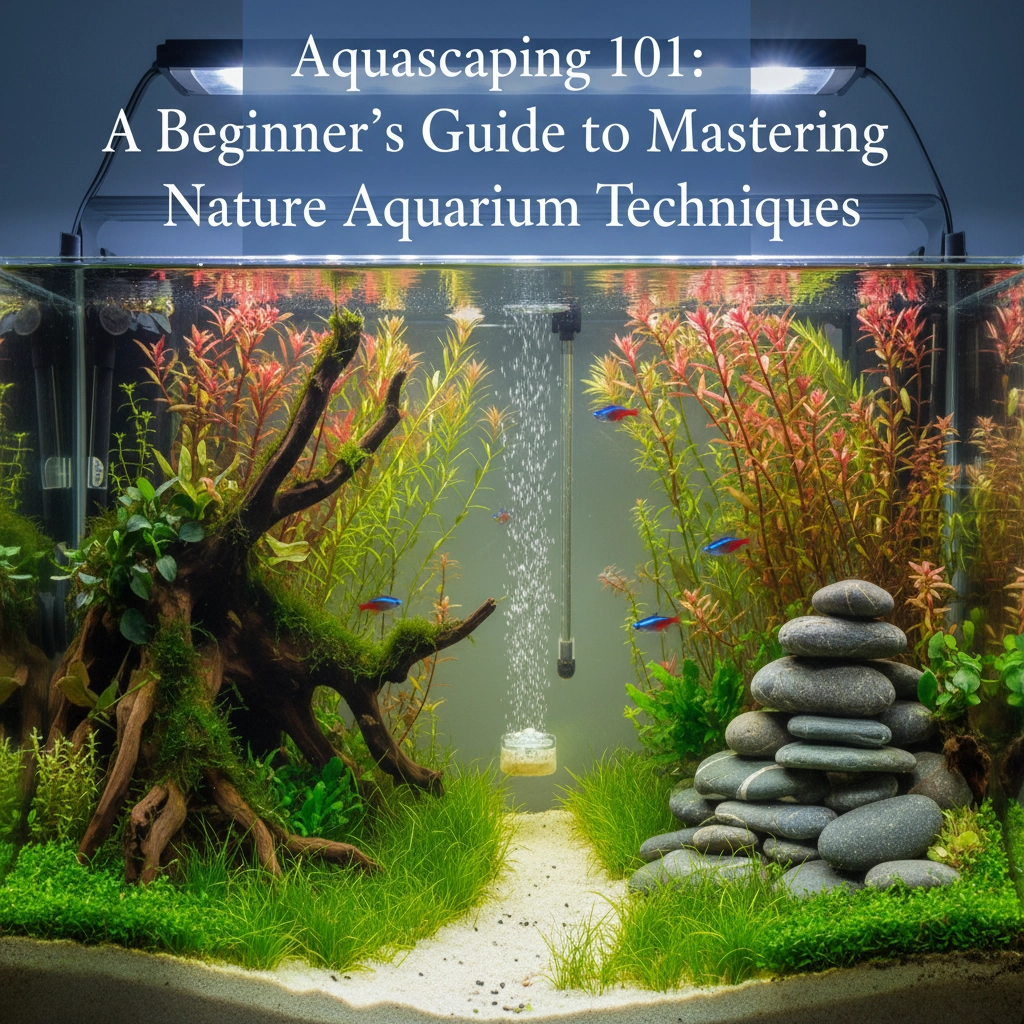
Welcome, budding aquarists! Whether you're a seasoned veteran looking to dive into the mesmerizing world of aquascaping or a complete newcomer ready to dip your toes into this captivating hobby, you're about to embark on an incredible journey. Aquascaping transforms your ordinary fish tank into a breathtaking underwater masterpiece that rivals the most stunning natural landscapes on Earth.
Think of aquascaping as underwater gardening: it's the art of creating aesthetically pleasing aquatic environments using live plants, stones, driftwood, and other natural materials. Unlike traditional aquarium setups, nature aquariums aim to recreate the serene beauty of rainforests, mountain streams, and river valleys right in your living room. This rewarding hobby combines scientific principles with your personal creativity, resulting in a thriving ecosystem that's as beautiful as it is functional.
What Makes Nature Aquarium Style Special?
Nature aquariums represent a departure from the rigid, artificial-looking tank designs of the past. Instead, these aquascapes focus on replicating authentic natural environments with stunning realism. You'll find yourself creating miniature scenes that could easily be mistaken for photographs of pristine wilderness areas: think lush forest floors, rocky mountain streams, or peaceful meadows.
The magic lies in achieving perfect balance between hardscape materials like rocks and driftwood, and the vibrant living plants that bring your underwater oasis to life. This style emphasizes natural irregularities and organic arrangements that make your aquascape feel genuinely wild and untouched.
Essential Equipment for Your Aquascaping Adventure
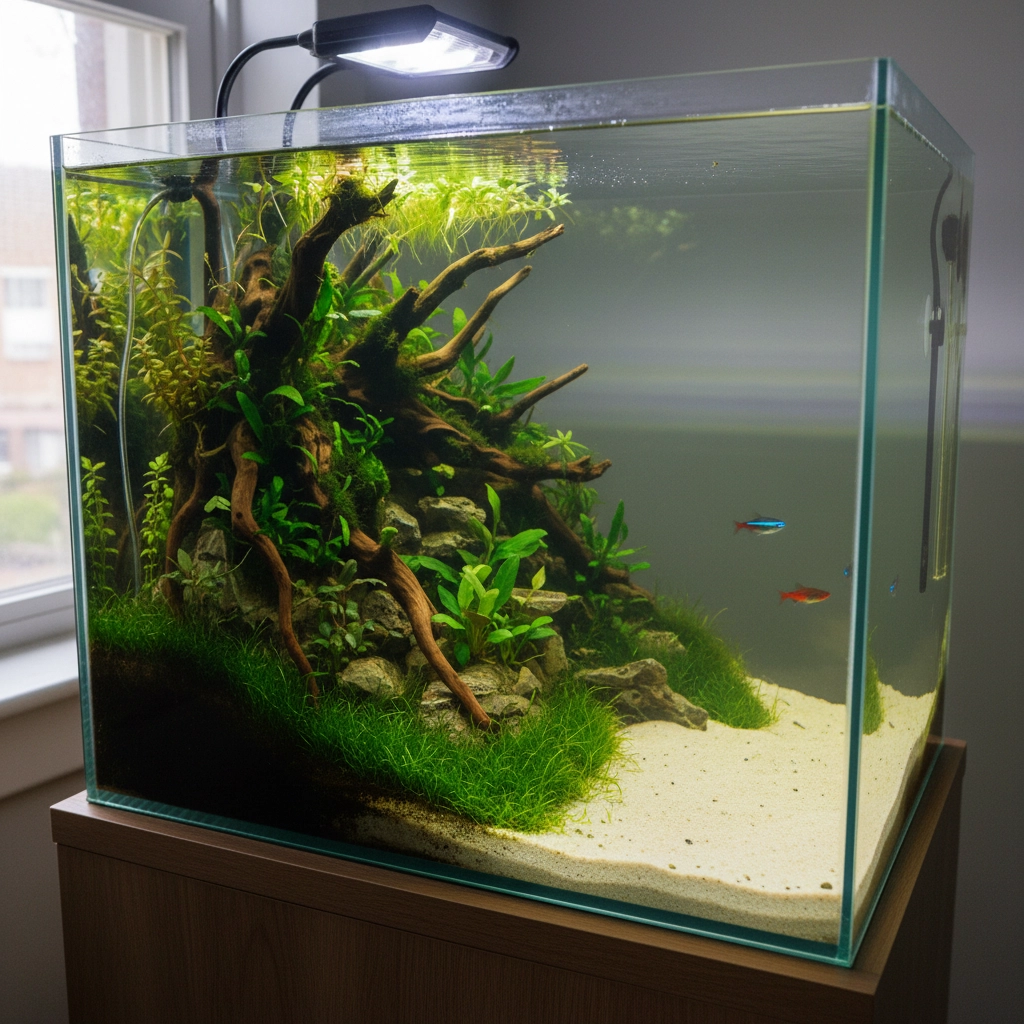
Before you can start crafting your aquatic masterpiece, you'll need to gather the right tools and materials. Don't worry: while the list might seem extensive, each component plays a crucial role in creating a thriving ecosystem.
Tank Selection: For beginners, we recommend starting with a tank around 15-20 gallons (45-60 liters). This size gives you plenty of creative freedom while remaining manageable for maintenance. Remember, larger tanks are actually more forgiving when it comes to water chemistry, but smaller tanks are perfect for learning the basics.
Filtration System: Your filter is the heart of your aquarium's circulatory system. Choose from external filters, internal filters, or hang-on-back filters based on your tank size and aesthetic preferences. The key is ensuring adequate water circulation without creating excessive current that might damage delicate plants.
Lighting: This is where your plants will truly shine! Proper lighting is absolutely critical for plant growth and the overall health of your aquascape. Most setups need lights running for approximately 8 hours daily: too much light can actually damage plants and encourage algae growth, while insufficient light leads to pale, stunted plants. A timer is your best friend here for maintaining consistent schedules.
CO2 System: While optional, a CO2 system is like giving your plants a supercharged energy drink. It's especially beneficial for achieving lush, vibrant growth in demanding stem plants. Even basic DIY CO2 systems can make a dramatic difference in plant health and color.
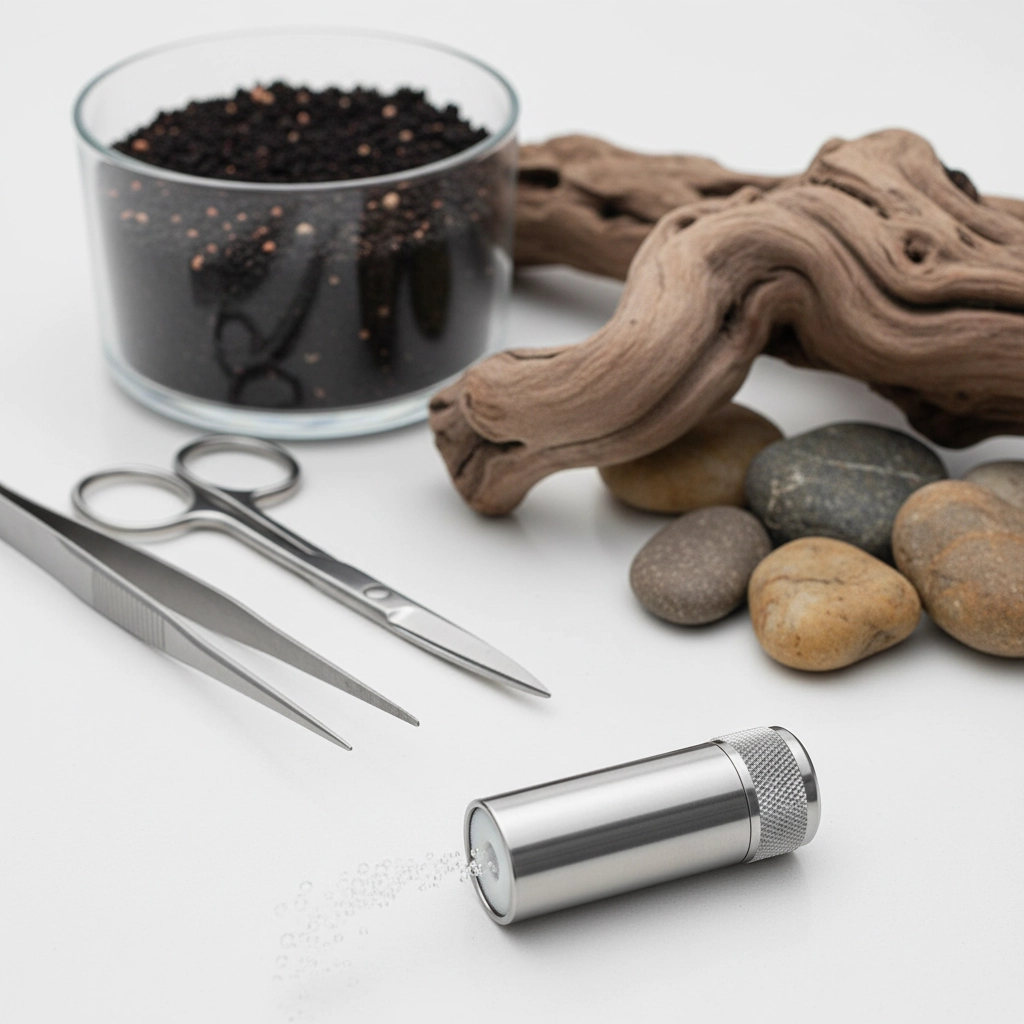
Substrate: Quality aquascaping substrate does double duty: it provides essential nutrients for your plants' root systems while creating the foundation for your visual design. Skip the basic gravel and invest in nutrient-rich substrates designed specifically for planted tanks.
Hardscape Materials: Rocks, driftwood, and decorative stones form the "bones" of your aquascape. These elements create structure, visual interest, and natural hiding spots for your future fish inhabitants.
Live Plants: Here's where your creativity really flows! You'll need carpet plants for the foreground, medium-height plants for the midground, and tall background plants to create depth and dimension.
Mastering Design Principles and Composition
Creating a captivating aquascape isn't just about randomly placing pretty plants: it follows specific design principles that mirror nature's own patterns. Understanding these concepts will elevate your aquascaping from amateur to absolutely stunning.
The Power of Asymmetry: Nature rarely creates perfectly symmetrical scenes, and neither should your aquascape. Asymmetrical designs feel more authentic and visually engaging. Instead of centering everything, create dynamic compositions that lead the eye naturally through your underwater landscape.
Triangle Technique: This classic aquascaping method creates incredible visual impact by positioning your highest elements on one side of the tank, then creating a gradual slope toward the opposite side. This technique generates striking contrast between built-up areas and open swimming space, making even small tanks appear spacious and dynamic.
Creating Depth Through Layering: Think of your tank in three dimensions rather than as a flat canvas. Vary the placement of elements from front to back, using larger items in the foreground and progressively smaller items toward the background. This optical illusion creates amazing depth perception that makes your aquascape appear much larger than its actual size.
Foreground, Midground, and Background Hierarchy: Just like arranging people for a group photo, place your tallest elements in the back and your smallest in front. This ensures all your beautiful plants and decorations remain visible while maintaining natural proportions.
Your Step-by-Step Setup Journey
Ready to bring your vision to life? Breaking the setup into two phases prevents disturbing your carefully planned design and gives you the best chance for long-term success.
Phase One - Foundation Building:
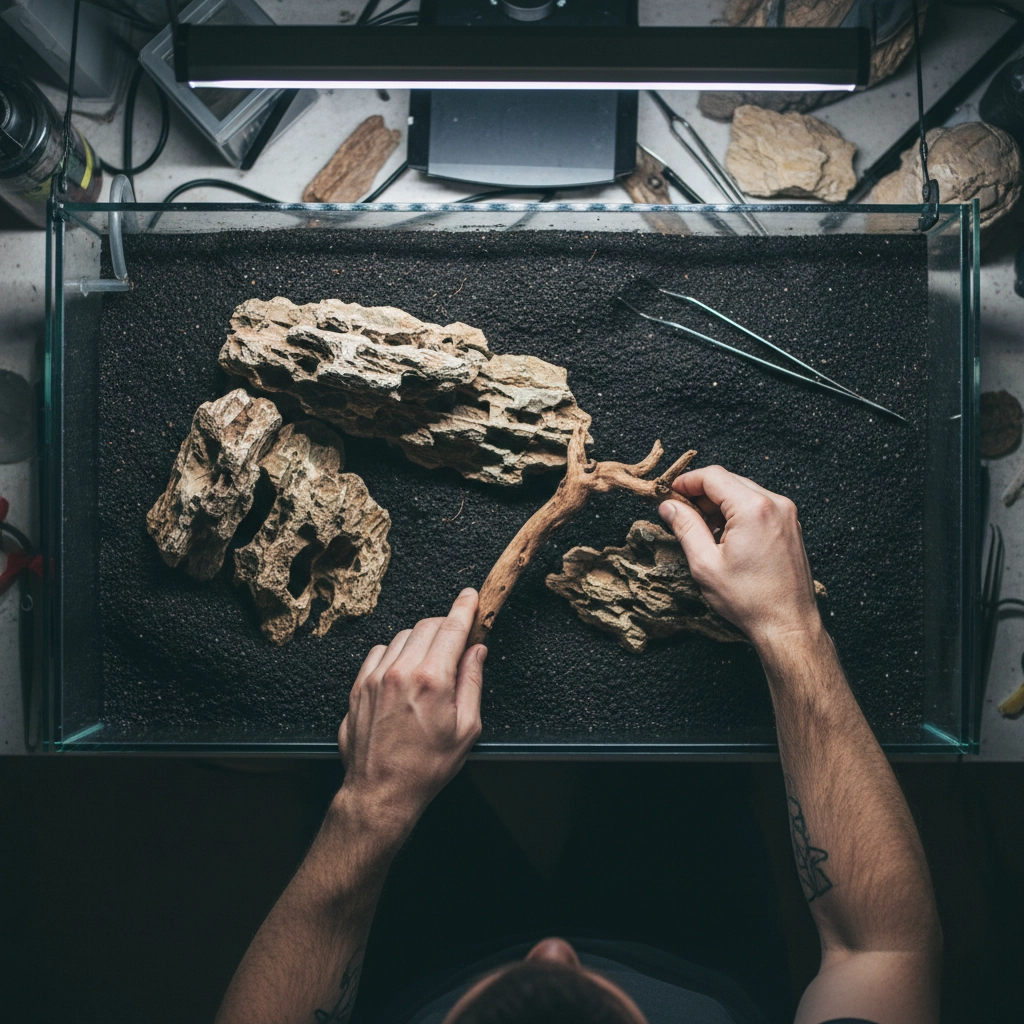
Start by adding your substrate, creating gentle slopes and contours that will support your overall design vision. Next, position your hardscape elements: rocks and driftwood: according to your planned layout. Take your time here! These elements form the backbone of your entire aquascape, so experiment with different arrangements until you find the perfect composition.
Allow everything to settle for at least 24 hours before moving to phase two. This settling period prevents cloudy water and ensures your hardscape materials won't shift during the next phase.
Phase Two - Bringing Life to Your Creation:
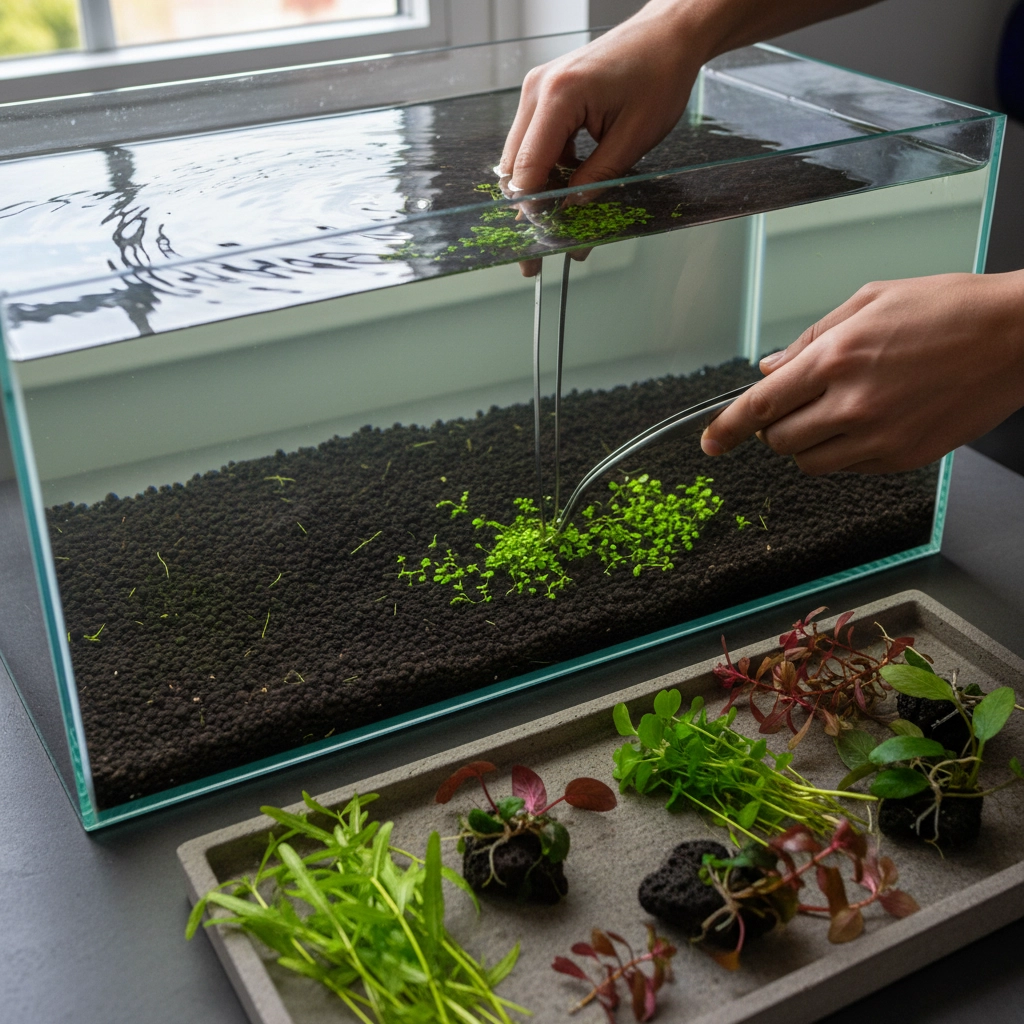
Now comes the exciting part: planting! Begin with your aquascape's focal point, then work outward in concentric circles. Start with low-growing carpet plants, add your midground specimens, and finish with tall background plants.
Here's a pro tip: plant densely from the start. Thick groupings of plants have better root development success and create immediate visual impact. Mix different colors, textures, and sizes to create natural-looking contrast and depth.
Once planting is complete, carefully fill your tank with water (pour over a plate or your hand to minimize substrate disturbance), then install and configure your filtration, lighting, and CO2 systems.
Early Maintenance and Long-term Success
The first few weeks of your aquascape's life are crucial for establishing a thriving ecosystem. Your plants need time to adapt to their new environment and develop strong root systems.
Maintain consistent lighting and CO2 schedules using timers: plants thrive on routine just like we do. Monitor water parameters closely, performing regular water changes to maintain optimal conditions. Most importantly, be patient! It can take 4-6 weeks for plants to fully establish themselves and begin showing robust growth.
Watch for signs of plant stress like yellowing leaves or slow growth, which might indicate lighting or nutrient imbalances. Don't panic if some plants initially struggle: this is completely normal as they adapt to your specific tank conditions.
Remember that aquascaping is both a science and an art form. While following proven techniques ensures your plants survive and thrive, your personal creativity transforms these guidelines into a unique underwater garden that reflects your individual vision of nature's beauty.
Common Beginner Mistakes to Avoid
Even experienced aquarists made plenty of mistakes when starting their aquascaping journey: it's all part of the learning process! Here are the most common pitfalls to avoid:
Overcrowding: It's tempting to fill every inch of space, but plants need room to grow and spread. Leave adequate spacing for natural development.
Impatience with Growth: Your aquascape won't look like those stunning magazine photos overnight. Plants need weeks or even months to reach their full potential.
Ignoring Water Parameters: Beautiful aquascapes depend on stable water chemistry. Regular testing and maintenance aren't optional: they're essential for long-term success.
For more detailed guidance on setting up your first aquarium, check out our comprehensive beginner's guide.
Your aquascaping adventure is just beginning, and every tank you create will teach you something new. The combination of scientific knowledge, artistic vision, and patience will reward you with an ever-changing living masterpiece that brings peace and wonder to your daily routine.
Ready to start your own aquascaping journey? Follow us on social media for daily inspiration, maintenance tips, and amazing aquascape showcases from our community! Have questions about getting started or want to share photos of your aquatic creations? We'd love to see them: tag us for a chance to be featured in our community spotlight!






.png)