Water Chemistry Secrets Revealed: What Smart Monitor Reviews Don't Tell You About pH Balance
Water Chemistry Secrets Revealed: What Smart Monitor Reviews Don't Tell You About pH Balance
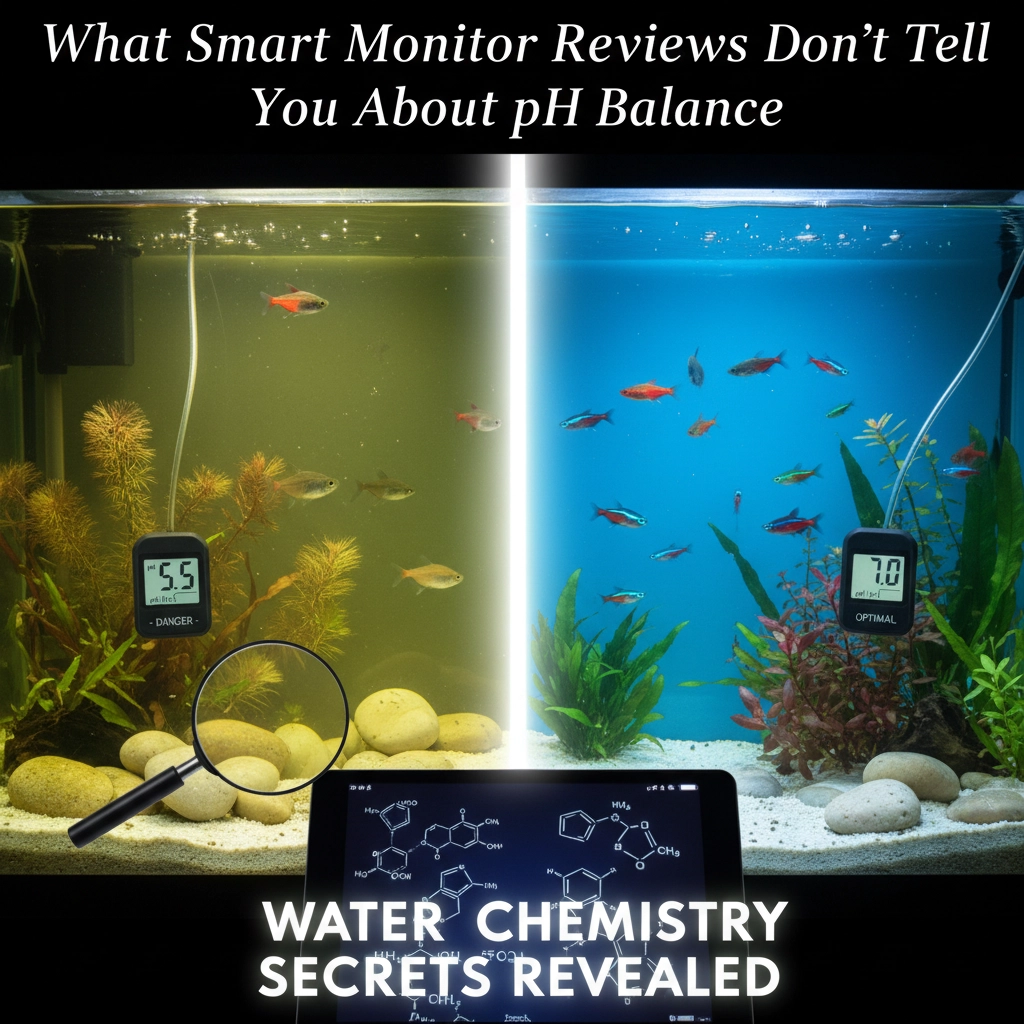
Welcome, fellow aquarium enthusiasts! Whether you're a seasoned aquarist or just dipping your toes into the mesmerizing world of fishkeeping, you've likely encountered the buzz around smart pH monitors. These high-tech gadgets promise to revolutionize your tank management, but there's a whole ocean of information that typical reviews don't reveal about pH balance and water chemistry monitoring.
Today, we're diving deep into the hidden truths about smart aquarium monitors – the secrets that manufacturers don't want splashed across their marketing materials and what real-world aquarists discover after months of hands-on experience.
What Smart Monitors Actually Measure (And What They Don't)
Here's the first revelation that might surprise you: most smart aquarium monitors measure far fewer parameters than their sleek interfaces suggest. The majority of consumer-grade smart monitors focus on three core measurements: pH, temperature, and sometimes ORP (oxidation-reduction potential). That's it.
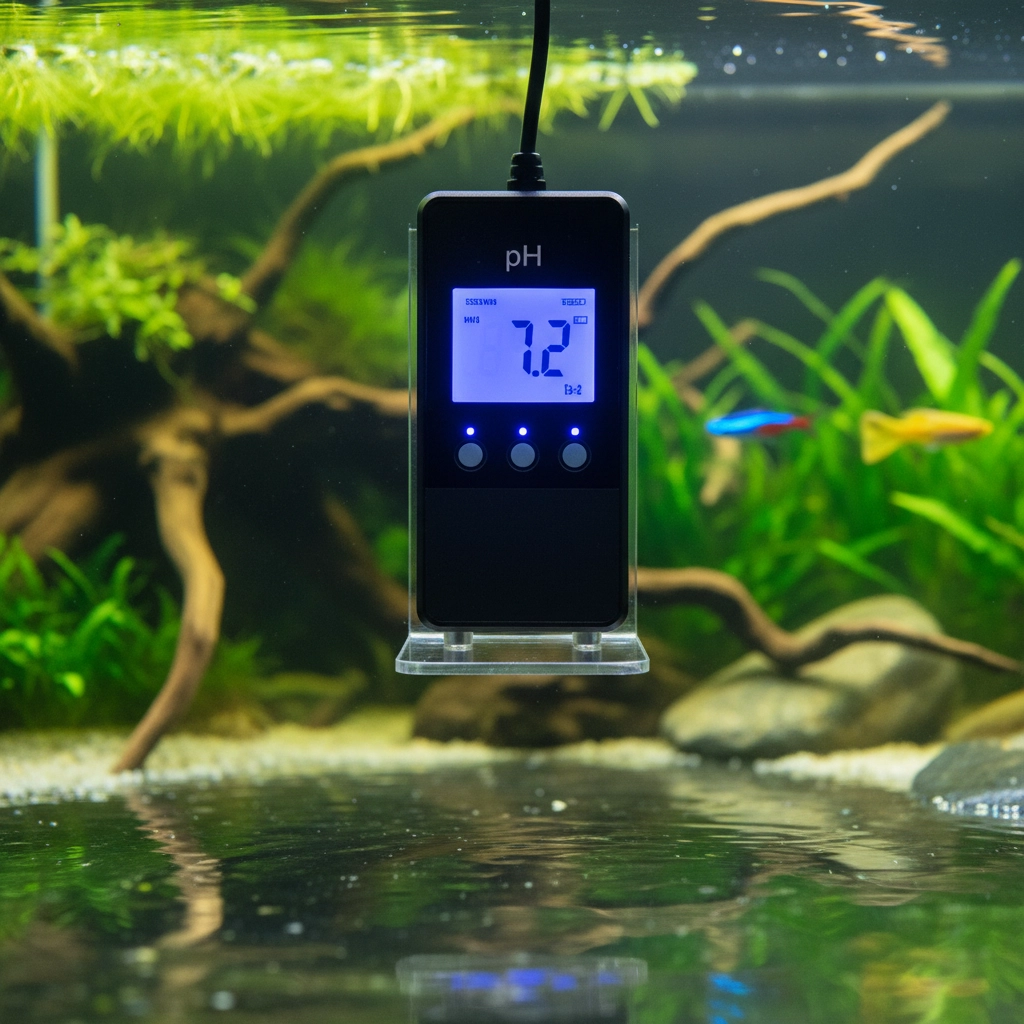
What's missing from this picture? Critical water chemistry factors that directly impact your aquatic ecosystem's health:
- Total alkalinity (KH) – your pH buffer system
- General hardness (GH) – essential mineral content
- Ammonia, nitrite, and nitrate levels – the nitrogen cycle markers
- Dissolved oxygen – what your fish actually breathe
- Salinity (for saltwater setups)
- Phosphate levels – algae fuel indicator
This limitation means that while your smart monitor might alert you that pH is dropping, it can't tell you why it's happening or predict whether your attempted correction will actually stick.
The "Lab Perfect" Myth: Real-World Accuracy vs. Marketing Claims
Smart monitor reviews often tout "laboratory-grade accuracy," but here's what they don't mention: these devices prioritize consistency over precision. Your monitor might consistently read 7.2 when your tank's actual pH is 7.4, but as long as it consistently shows the same offset, you can still track trends.
The real challenge emerges when you need to make precise adjustments. If your monitor reads 6.8 and you add pH buffer to reach 7.2, you might overshoot because the actual starting point was different. This is why experienced aquarists recommend calibrating smart monitors regularly with reference solutions – something rarely emphasized in product reviews.
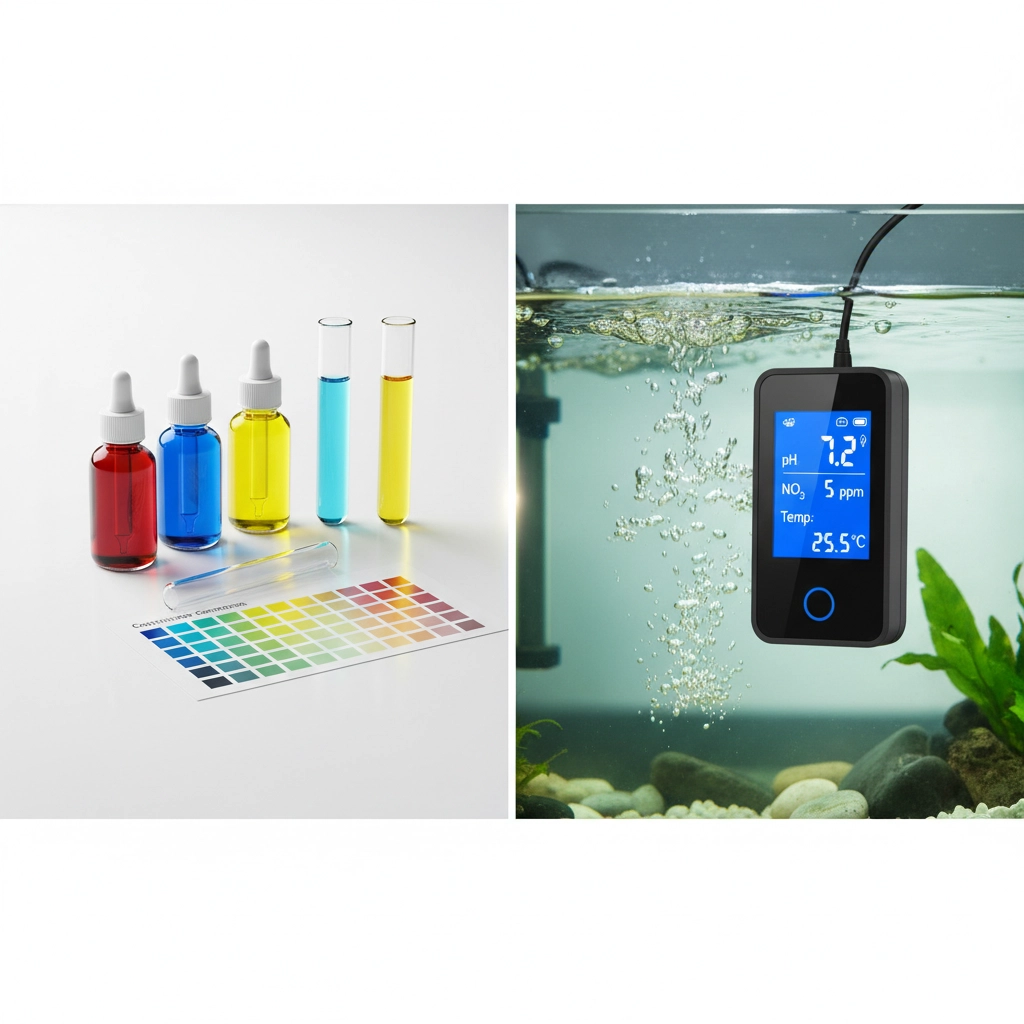
The Test Kit Reality: Why Automation Doesn't Replace Traditional Testing
Despite their convenience and 24/7 monitoring capabilities, smart pH monitors cannot replace your trusty test kit arsenal. Here's why this matters more than reviews typically acknowledge:
Immediate Crisis Management: When your fish show signs of distress, you need comprehensive water parameter readings now. Smart monitors can alert you to pH swings, but they can't tell you if ammonia spiked overnight or if your biological filter crashed.
Troubleshooting Complex Issues: pH instability often stems from inadequate buffering capacity (low KH). Your smart monitor will show the pH fluctuations but won't reveal the underlying cause. Without traditional testing, you'll chase symptoms instead of solving root problems.
Medication and Treatment Periods: During disease treatment, many medications alter water chemistry in ways that affect pH readings. Smart monitors might trigger false alarms, while traditional testing helps you understand the complete chemical picture.
The Hidden Costs of "Smart" Monitoring
Product reviews rarely discuss the ongoing expenses associated with smart pH monitoring systems. Beyond the initial device cost, consider these factors:
Probe Replacement: pH probes have limited lifespans (typically 12-18 months with proper care). Quality replacement probes often cost 30-50% of the original monitor price.
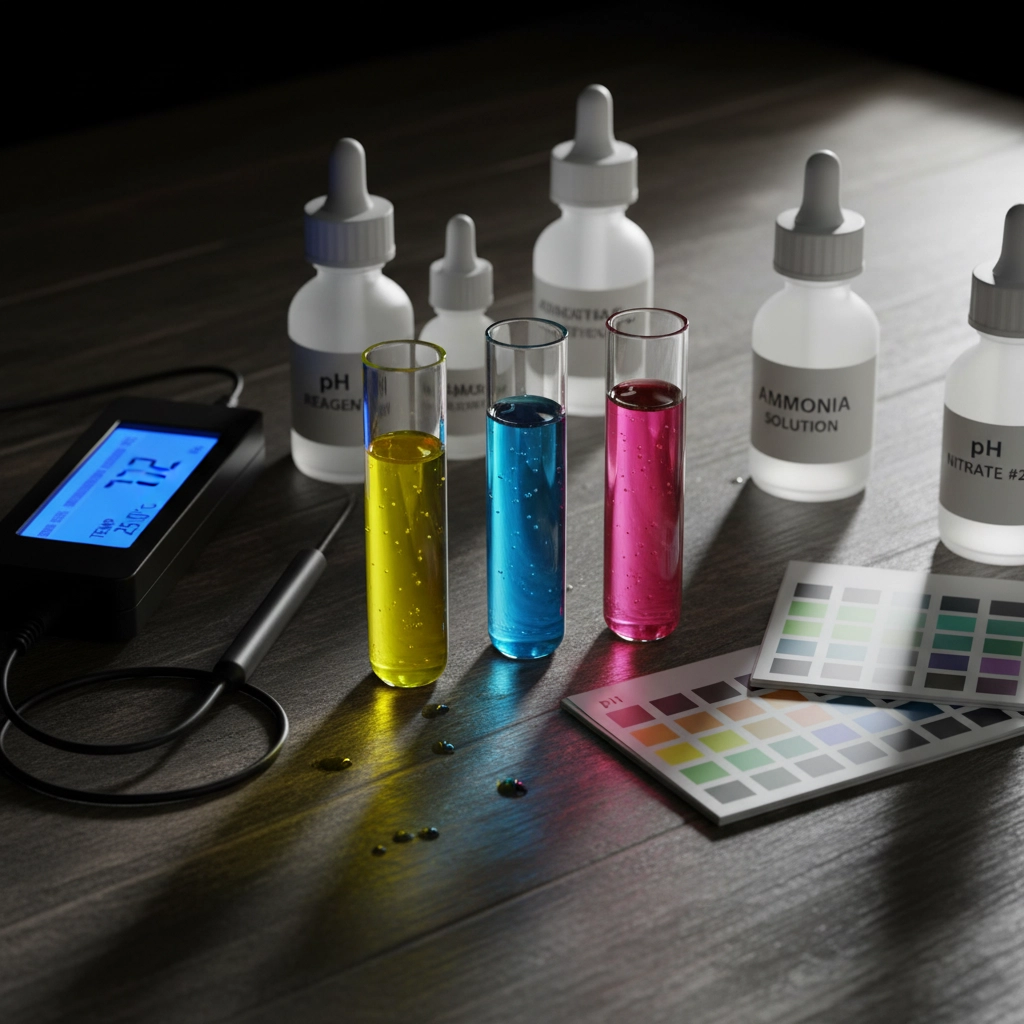
Calibration Solutions: Regular calibration requires pH 4.0, 7.0, and 10.0 buffer solutions. These expire and need replacement every 6-12 months.
Connectivity Requirements: Many smart monitors require stable WiFi connections and may have subscription fees for advanced features or cloud data storage.
What Reviews Don't Tell You About pH Buffer Systems
The most critical gap in smart monitor reviews involves understanding how pH stability actually works in aquatic systems. Your monitor might show perfect 7.0 readings, but without adequate alkalinity (KH), that pH can crash overnight.
Here's the secret: pH is a symptom, not the disease. A functioning aquarium maintains stable pH through biological and chemical buffer systems. Smart monitors show you the end result but provide no insight into buffer capacity or the health of these underlying systems.
Successful aquarists use smart monitors as early warning systems while relying on comprehensive testing to understand their tank's complete chemical story.
The 24/7 Monitoring Advantage (When Used Correctly)
Despite these limitations, smart pH monitors offer genuine advantages when used strategically:
Trend Detection: Gradual pH drift that might escape weekly testing becomes obvious with continuous monitoring. You'll spot seasonal changes, feeding impacts, and equipment performance issues before they become crises.
Remote Peace of Mind: Whether you're at work or on vacation, real-time pH alerts prevent small problems from becoming tank disasters. This is particularly valuable for sensitive species or breeding setups.
Data-Driven Decision Making: Months of continuous pH data reveal patterns that inform your tank management. You might discover that pH drops every Tuesday (cleaning day chemicals) or rises during summer heat waves.

The Integration Strategy: Smart Monitors Plus Traditional Testing
The most effective approach combines smart monitoring with strategic traditional testing:
- Use smart monitors for continuous pH tracking and immediate alerts
- Perform comprehensive testing weekly to understand complete water chemistry
- Increase testing frequency when smart monitors indicate parameter swings
- Calibrate monitors monthly using fresh reference solutions
- Document correlations between smart monitor readings and traditional test results
Species-Specific Considerations Often Overlooked
Different fish species have varying pH sensitivity levels that smart monitor reviews rarely address adequately:
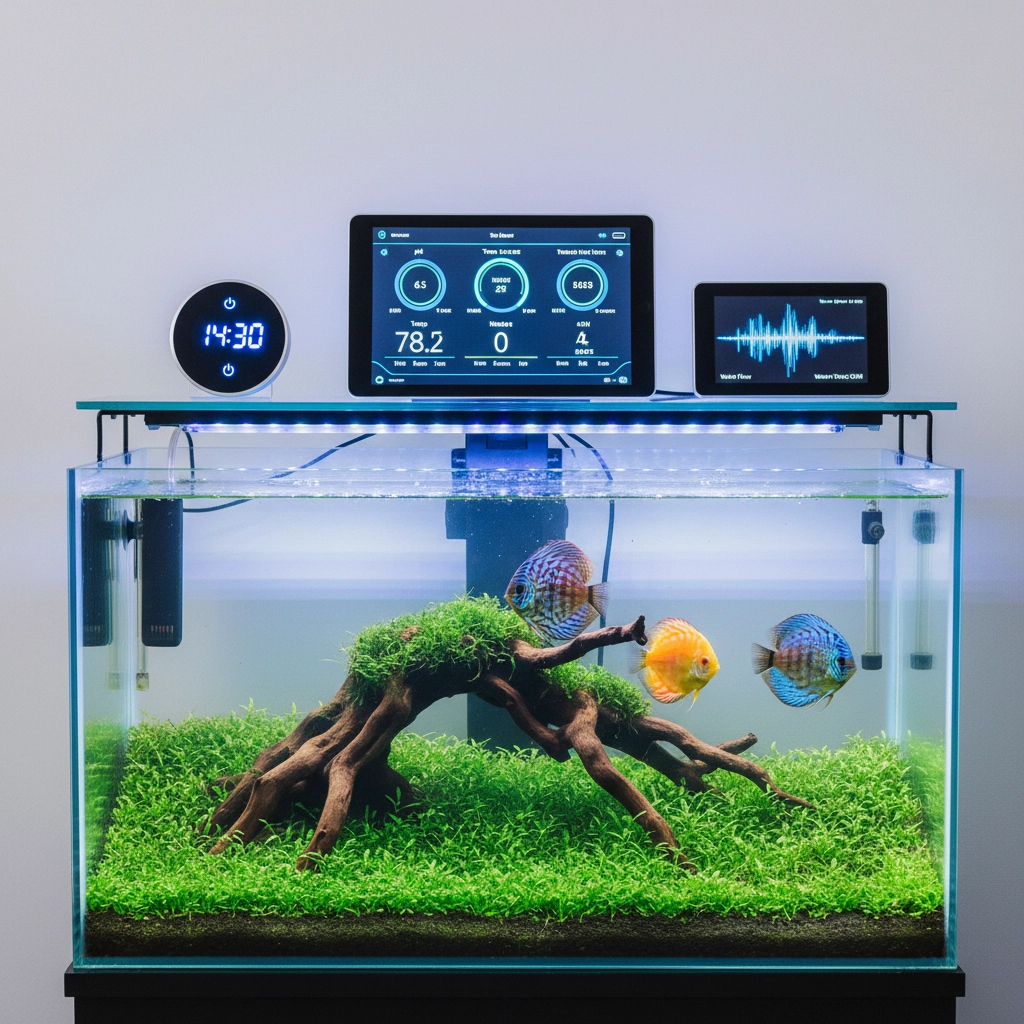
Sensitive Species (discus, crystal shrimp, wild-caught fish): Even small pH fluctuations can trigger stress responses. Smart monitors excel here by catching subtle changes before they become visible problems.
Hardy Community Fish: For goldfish, tetras, and similar species, smart monitors might be overkill if your tank chemistry is naturally stable.
Breeding Programs: Reproductive success often depends on precise pH ranges. Smart monitors help maintain the narrow parameters needed for successful spawning.
The Future of Aquarium Water Chemistry Monitoring
As smart monitoring technology evolves, we're seeing promising developments that address current limitations:
- Multi-parameter sensors that measure additional parameters beyond pH
- AI-powered analysis that correlates multiple water chemistry factors
- Integration with dosing systems for automated parameter correction
- Improved probe longevity and lower maintenance requirements
However, until these technologies mature and become affordable for hobbyists, the fundamental principle remains: smart monitors are powerful tools when combined with comprehensive water chemistry knowledge and traditional testing methods.
Making Your Decision: Is Smart pH Monitoring Right for Your Tank?
Consider smart pH monitoring if you:
- Maintain multiple tanks or large systems
- Keep sensitive or expensive fish species
- Travel frequently or work irregular hours
- Want to optimize breeding conditions
- Enjoy data-driven aquarium management
Traditional testing might suffice if you:
- Maintain stable community tanks with hardy species
- Test parameters consistently on schedule
- Have limited budget for aquarium technology
- Prefer hands-on tank management
Remember, successful aquarium keeping comes down to understanding your aquatic ecosystem, not just monitoring it. Smart pH monitors are sophisticated tools that work best in the hands of knowledgeable aquarists who understand the complete picture of water chemistry.
Ready to dive deeper into the world of advanced aquarium monitoring? Follow us on social media for the latest product reviews, setup guides, and water chemistry tips! Have questions about pH monitoring or want to share your smart monitor experiences? Reach out to us – we love hearing from fellow aquarists. Don't forget to share photos of your thriving aquatic setups for a chance to be featured in our community spotlight!








.png)