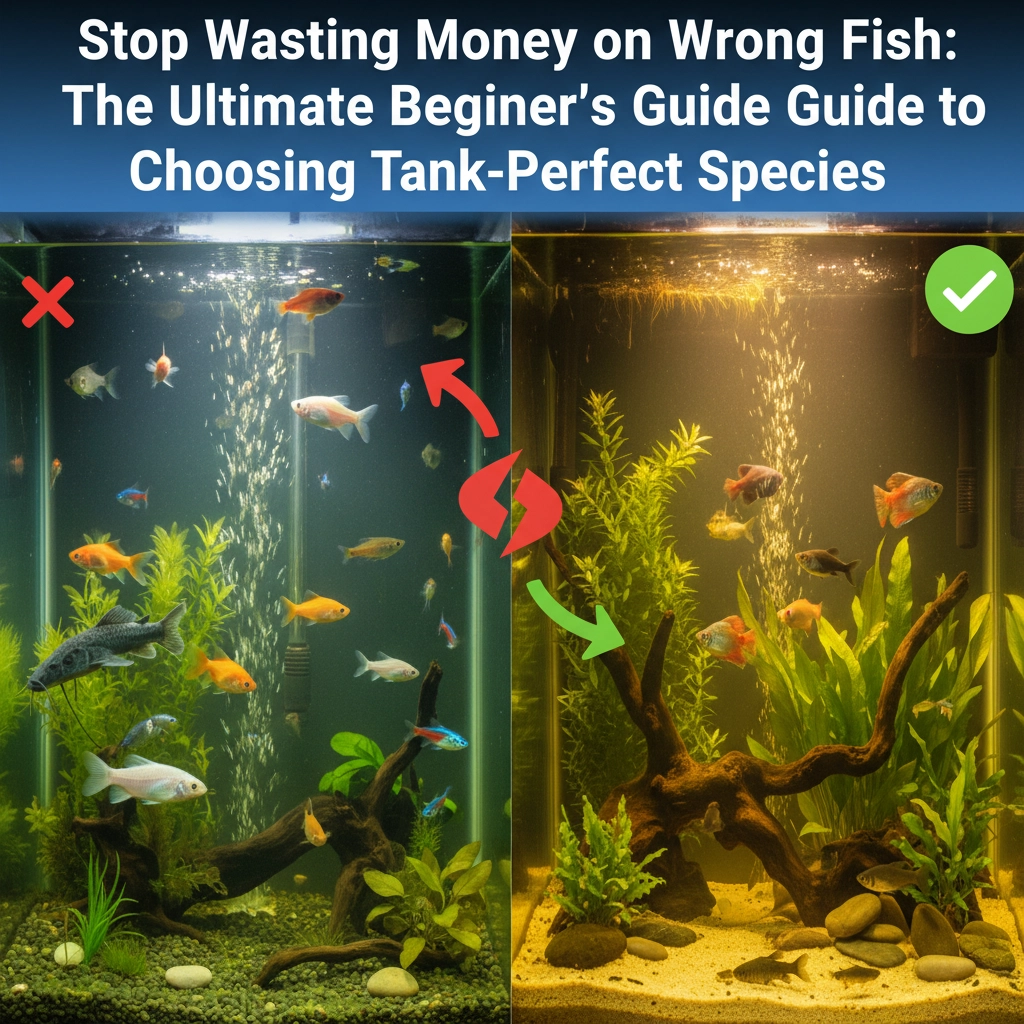
Stop Wasting Money on Wrong Fish: The Ultimate Beginner's Guide to Choosing Tank-Perfect Species
Stop Wasting Money on Wrong Fish: The Ultimate Beginner's Guide to Choosing Tank-Perfect Species
Hey there, budding aquarists! Ready to dive into the mesmerizing world of fishkeeping without breaking the bank? If you've ever stared at those dazzling displays at your local fish store, wallet in hand, wondering which vibrant swimmers would thrive in your aquatic oasis, you're in the perfect place.
The biggest money-wasting mistake beginners make is buying fish first and asking questions later. Trust me, I've seen countless newcomers fall into this expensive trap, only to watch their dream tank turn into a costly nightmare. But here's the good news – with the right knowledge, you can create a thriving underwater masterpiece that'll have your fish swimming freely for years to come.
Start with Your Foundation: Tank Size Matters More Than You Think
Before you even think about those captivating fish, let's talk about your aquatic canvas. Forget those tiny bowls and cramped 5-gallon setups – they're financial traps that lead to dead fish and repeated heartbreak. Your beginner aquarium should be at least 20 gallons, though a 10-gallon tank can work as a stepping stone into this exciting hobby.
Here's why bigger truly means better for your wallet: larger tanks maintain stable water parameters, meaning less stress on your fish and fewer emergency interventions. Think of it like this – water weighs approximately 8 pounds per gallon, so a 20-gallon tank will weigh around 200 pounds when filled. Make sure your space and floor can handle this aquatic adventure!
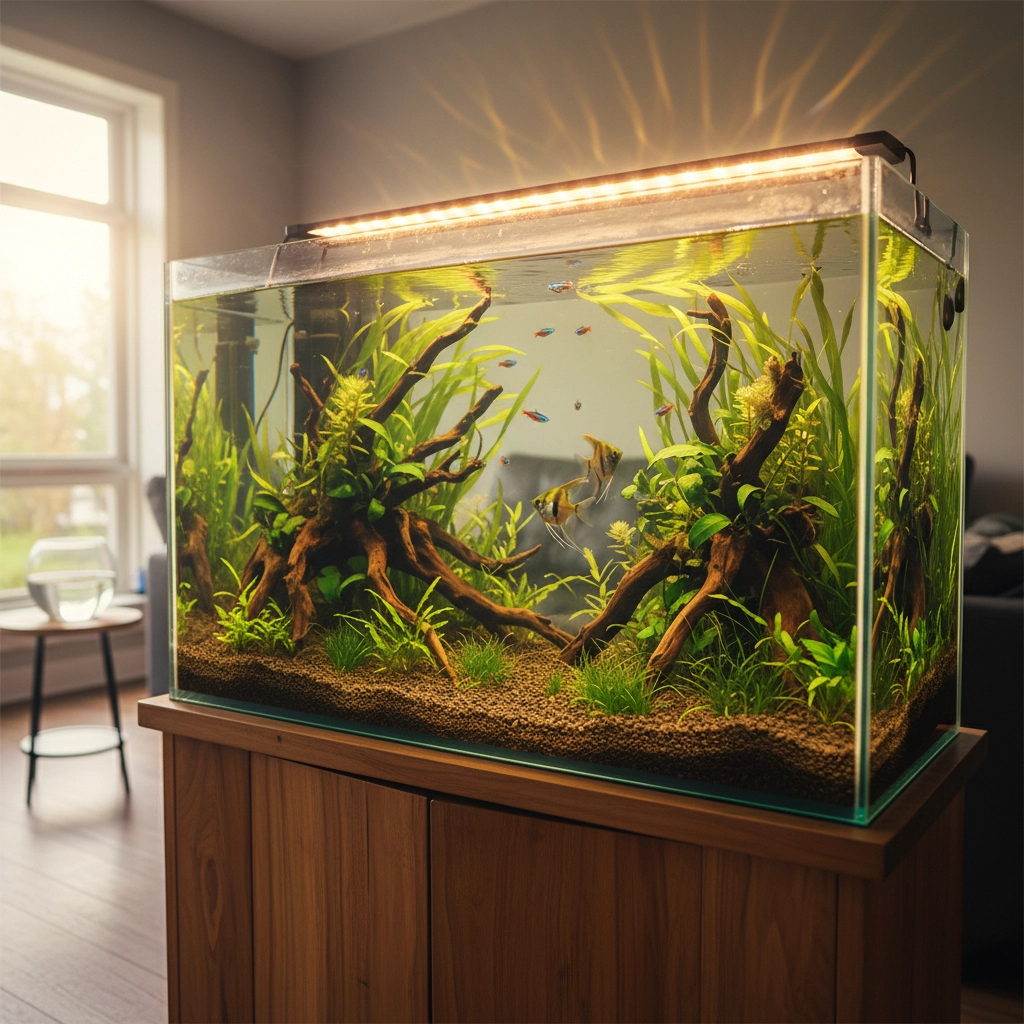
The investment in a proper-sized tank upfront saves you money on replacement fish, medications, and countless water treatments down the road. It's the foundation that makes everything else possible.
Your Perfect Starter Squad: Hardy Heroes for Beginners
Once you've secured the right tank, these species consistently deliver success and visual appeal:
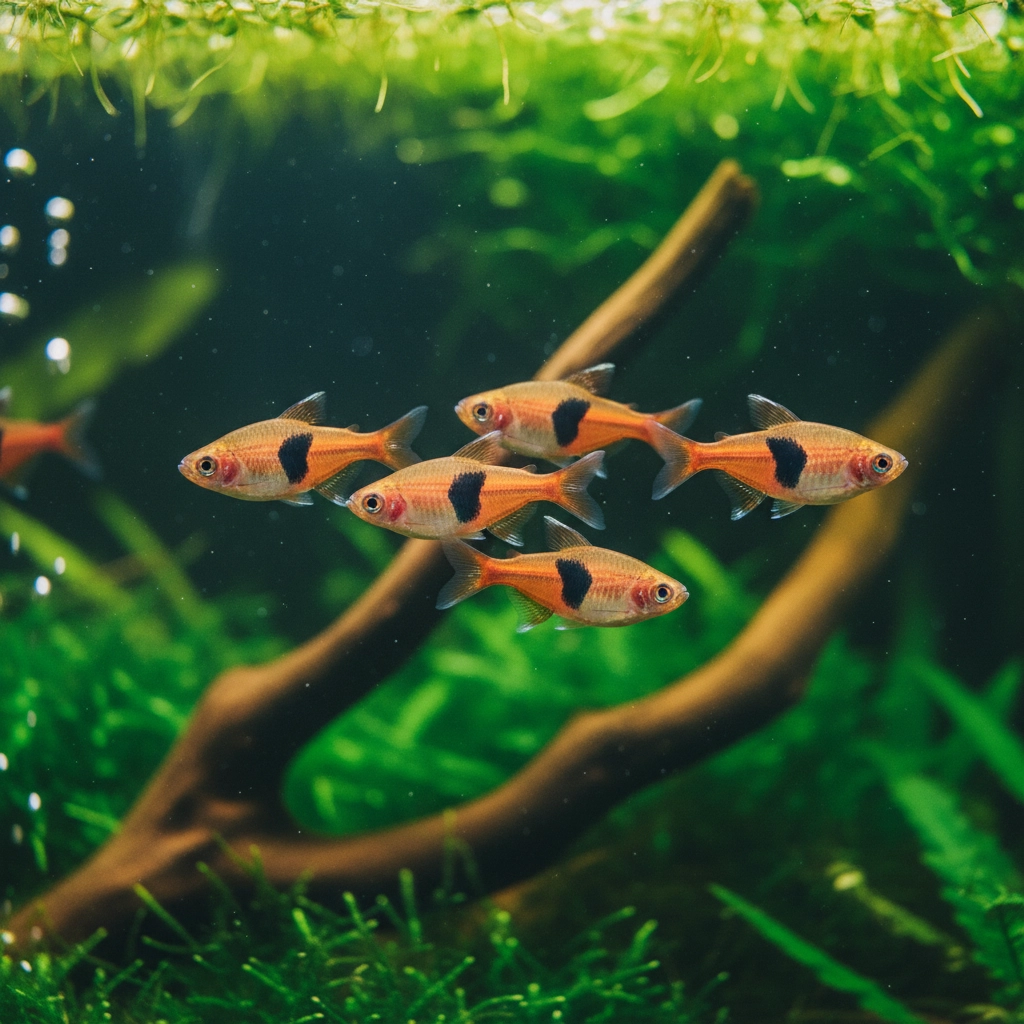
Harlequin Rasboras: The Pink Perfection
These little gems are absolute standouts in the beginner fish world. At just two inches long, Harlequin Rasboras (Trigonostigma heteromorpha) bring that beautiful pink coloration that's surprisingly uncommon among starter fish. They form mesmerizing loose shoals, adapt well to different water conditions, and their peaceful nature makes them ideal community tank residents.
Corydoras Catfish: The Personality Plus Fish
Want to add some serious character to your underwater world? Corydoras catfish are your answer. These docile bottom-dwellers bring personality and visual interest to any setup. Just remember to feed them special sinking wafers – they're bottom feeders who deserve their own delicious meals!
Platys: The Colorful Breeders
Platys (Xiphophorus maculatus) are personal favorites among experienced aquarists because they offer something magical – variety and reproduction. They come in different colors you can actually distinguish, breed readily, and provide the thrilling experience of watching fry develop different colors based on genetics. It's like having a living science experiment in your tank!
Tetras: The Reliable Schoolers
Cardinal tetras and black neon tetras are incredibly reliable and hardy enough to survive those minor disasters that happen to every beginner. These dynamic schooling fish create captivating displays as they move in synchronized groups through your aquatic landscape.
Zebra Danios: The Energetic Entertainers
These are some of the most basic, reliable starter fish you'll find. Zebra danios eat just about anything, never stop moving (seriously, they're like tiny aquatic athletes), and possess those charming whiskers called barbels on their mouths. They're virtually indestructible and endlessly entertaining.
Bristlenose Plecos: The Glass-Cleaning Stars
Popular with both beginners and advanced hobbyists, Bristlenose Plecos (Ancistrus species) stay small unlike their massive cousins and have incredible personality. Kids especially love watching them suction onto the tank glass – it's like having a living window cleaner with attitude!
The Critical Questions: Plan Before You Purchase
Before you spend a single dollar, dive deep into these essential planning questions:
What fish do you actually love? This single question drives every decision that follows – tank size, water parameters, decorations, and tank mates all depend on your species choice. Don't let impulse purchases dictate your aquatic journey.
How many fish does each species need? Some species must be in groups of six or more to prevent fin-nipping aggression and stress, while others thrive solo. This directly impacts your tank size needs and overall budget.
What are their water parameter requirements? Different species need different pH levels, temperatures, and water hardness. Mismatches mean constant maintenance costs, stressed fish, and expensive replacements.
What fish can coexist peacefully? Rasboras, tetras, and corydoras make excellent community tank mates, but you'll want to avoid mixing long-finned fish like angelfish with potentially aggressive species. Incompatibility means rehoming fish or buying a second tank – both expensive mistakes.
Is your filtration adequate? Your filter's flow rate should be five to ten times your aquarium volume. Undersized filters cause poor water quality, leading to fish illness and costly treatments.
The Non-Negotiable Step: Proper Tank Cycling
Here's where many beginners lose money fast – they skip the cycling process. Before adding any fish, you must properly cycle your tank water. This establishes beneficial bacteria that process toxic waste from fish. Skip this crucial step and you're virtually guaranteeing dead fish and wasted money on replacements.
The cycling process typically takes 4-6 weeks, but it's the difference between a thriving aquatic ecosystem and a costly disaster. Think of it as building the invisible foundation that keeps your underwater world healthy and balanced.
Community Tank Harmony: Creating Your Aquatic Neighborhood
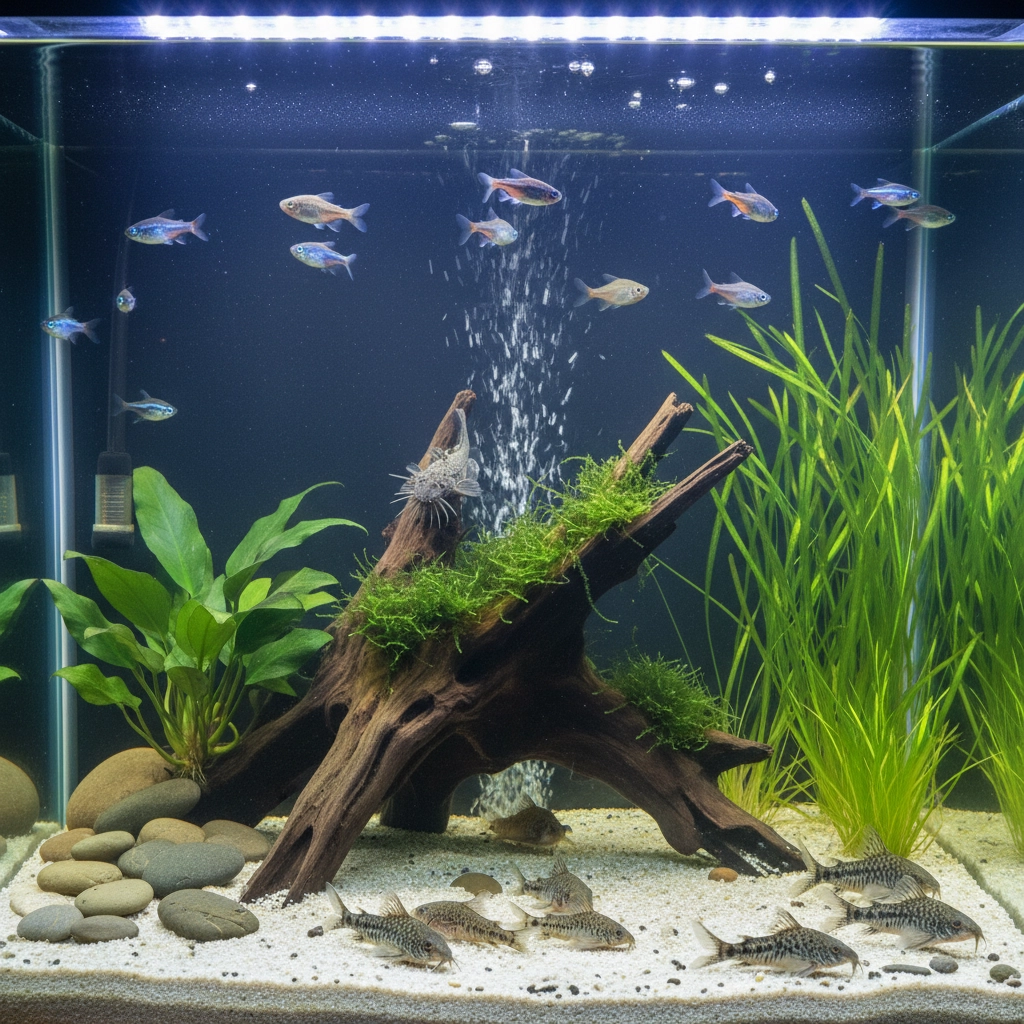
Building a successful community tank is like creating a peaceful underwater neighborhood. Your Harlequin Rasboras can swim freely in the middle levels, while Corydoras catfish patrol the bottom, and a Bristlenose Pleco keeps the glass sparkling clean.
Avoid the temptation to overcrowd your aquatic oasis. A good rule of thumb is one inch of fish per gallon of water, but remember that this is just a starting point. Active swimmers like Zebra Danios need more space than slower-moving species.
The Money-Saving Bottom Line: Smart Shopping Strategies
By investing just one hour researching your chosen species, measuring your available space, investing in adequate equipment upfront, and properly cycling your tank before stocking, you eliminate that expensive cycle of buying fish that die from incompatibility, overcrowding, or poor water quality.
The beginner who plans correctly buys fish once and keeps them thriving for years. The beginner who rushes through the process becomes trapped in a costly cycle of replacing fish repeatedly – definitely not the aquatic adventure you're hoping for!
Remember, successful fishkeeping isn't about having the most exotic or expensive species – it's about creating a balanced, thriving ecosystem where your chosen fish can display their natural behaviors and vibrant colors.
Your journey into this captivating hobby should be filled with wonder, not worry about your wallet. With proper planning and species selection, you'll create an underwater masterpiece that brings joy for years to come while keeping your budget intact.
Ready to transform your space into a mesmerizing aquatic world? We'd love to see your tank progress and answer any questions you might have along the way! Follow us on social media for daily inspiration, expert tips, and community support. Don't forget to share photos of your thriving aquarium setup – we feature the most captivating tanks in our community spotlight, and yours could be next!






.png)