7 Mistakes You're Making with Your Beginner Aquarium Setup (and How to Fix Them)
7 Mistakes You're Making with Your Beginner Aquarium Setup (and How to Fix Them)
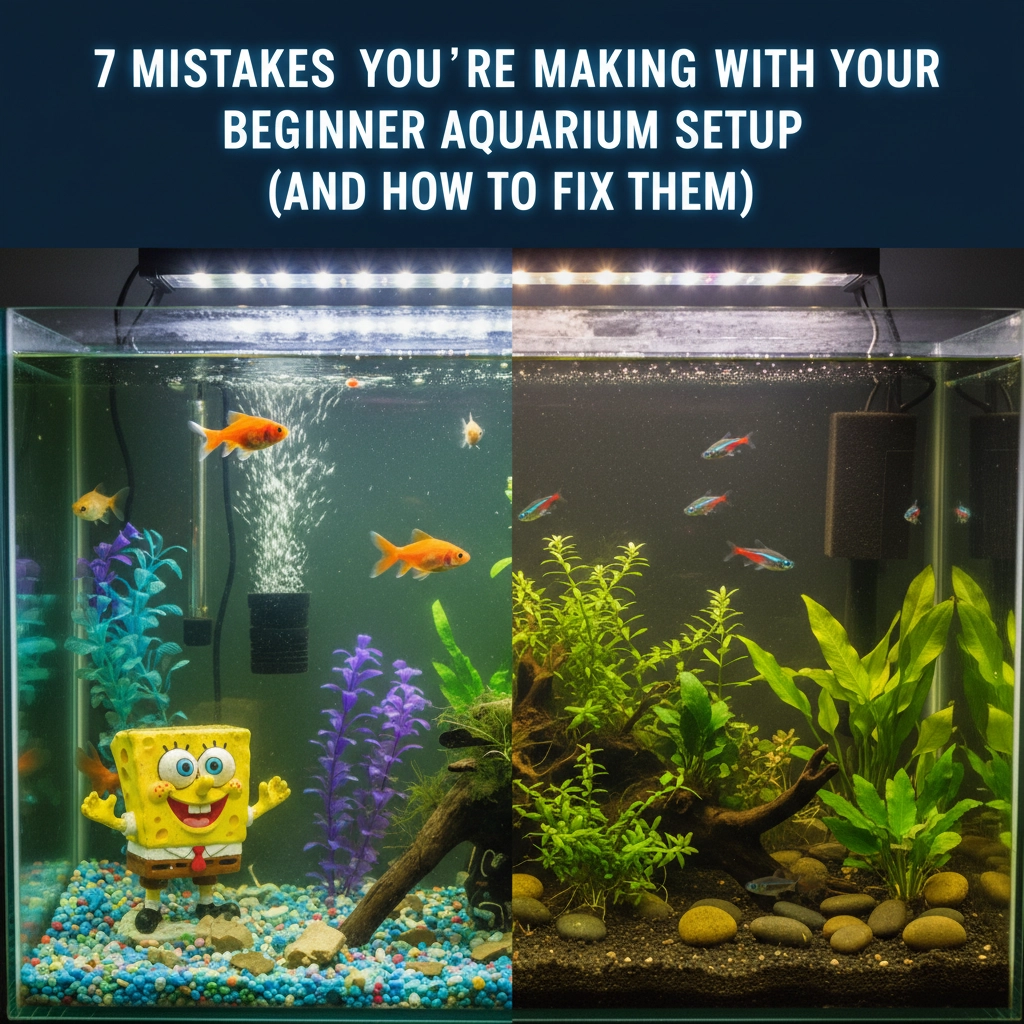
Welcome to the mesmerizing world of aquarium keeping, budding aquarists! Whether you're taking your first dive into this captivating hobby or you've recently set up your underwater masterpiece, there's a good chance you might be making some common setup mistakes that could turn your aquatic dreams into a frustrating nightmare.
Don't worry – we've all been there! Even the most experienced fish keepers have navigated these choppy waters during their early days. The key is recognizing these pitfalls before they sink your success and learning how to course-correct your aquatic adventure.
Let's dive into the depths of the seven most critical mistakes that beginners make with their aquarium setups, and more importantly, discover how you can fix them to create the thriving underwater oasis you've been dreaming of.
Mistake #1: Skipping or Rushing the Nitrogen Cycle
Here's the biggest mistake that can torpedo your entire aquarium journey before it even begins – adding fish to an uncycled tank. The nitrogen cycle is the invisible foundation of every successful aquarium, yet it's the step most newcomers either skip entirely or rush through impatiently.
Your tank needs beneficial bacteria colonies to break down harmful ammonia (from fish waste) into less toxic compounds. Without this biological foundation, you're essentially creating a toxic swimming pool for your fish rather than a safe aquatic home.
How to Fix It:
Patience is your best friend here! Cycle your tank for 4-6 weeks before introducing any fish. You can either use the fishless cycling method by adding pure ammonia to feed the bacteria, or kickstart the process with commercial beneficial bacteria products.
Monitor your water parameters religiously during this period. When ammonia and nitrite levels drop to zero while nitrate is present, congratulations – your tank is cycled and ready for its first residents!
Mistake #2: Overstocking Your Underwater Paradise
Your enthusiasm is admirable, but cramming too many fish into your tank is like trying to fit an entire neighborhood into a studio apartment. Overstocking creates a cascade of problems that will leave you swimming upstream against poor water quality, aggressive fish behavior, and stressed aquatic life.
Every fish produces waste, and too many fish means your filtration system becomes overwhelmed. This leads to dangerous spikes in ammonia and nitrite levels, oxygen depletion, and territorial disputes that can turn your peaceful aquarium into an underwater battlefield.
How to Fix It:
Research is your lifeline! Use the "1 inch of adult fish per gallon" rule as a starting point, but remember that different species have vastly different space requirements. A single goldfish needs much more room than a small tetra, regardless of their current size.
Add fish gradually over several weeks, allowing your biological filter to adjust to the increased bioload. Always quarantine new fish before introducing them to your main display to prevent disease outbreaks that could devastate your entire community.
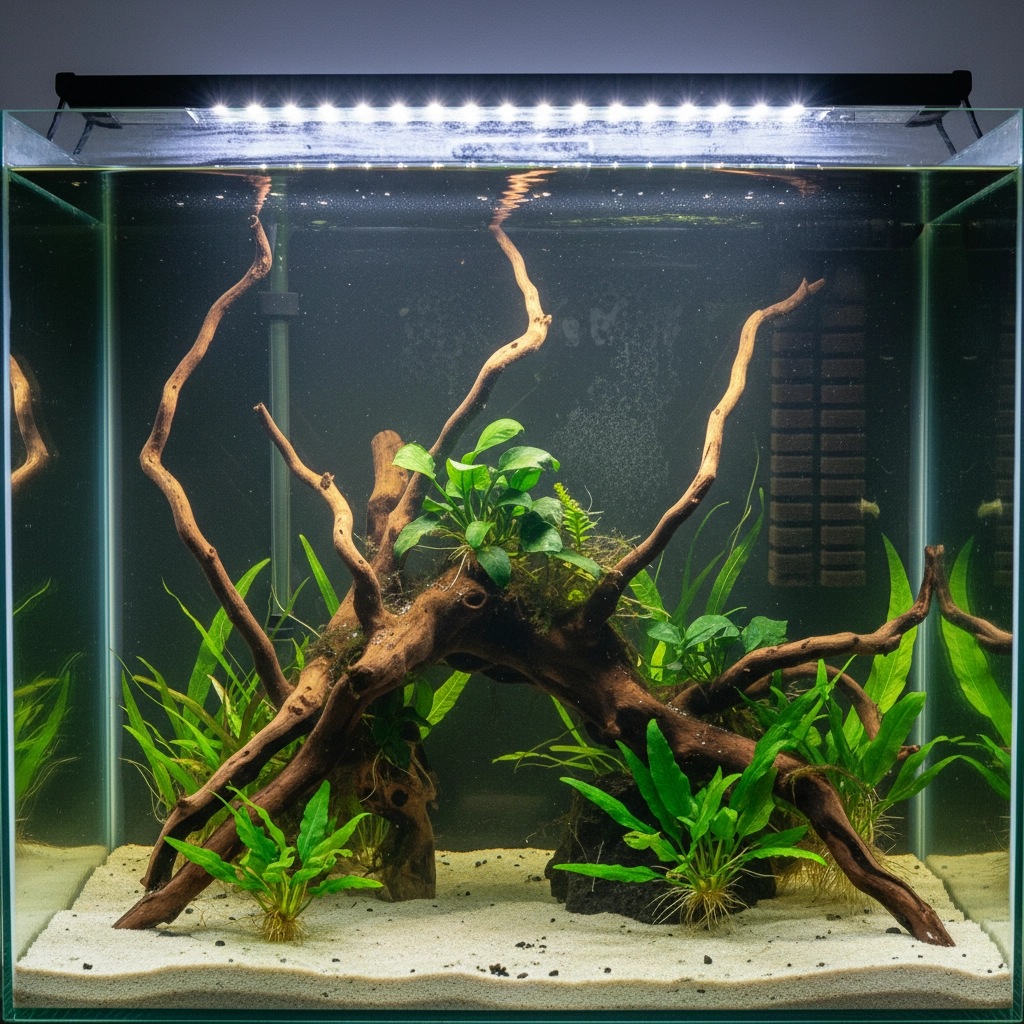
Mistake #3: Poor Equipment Selection and Placement Choices
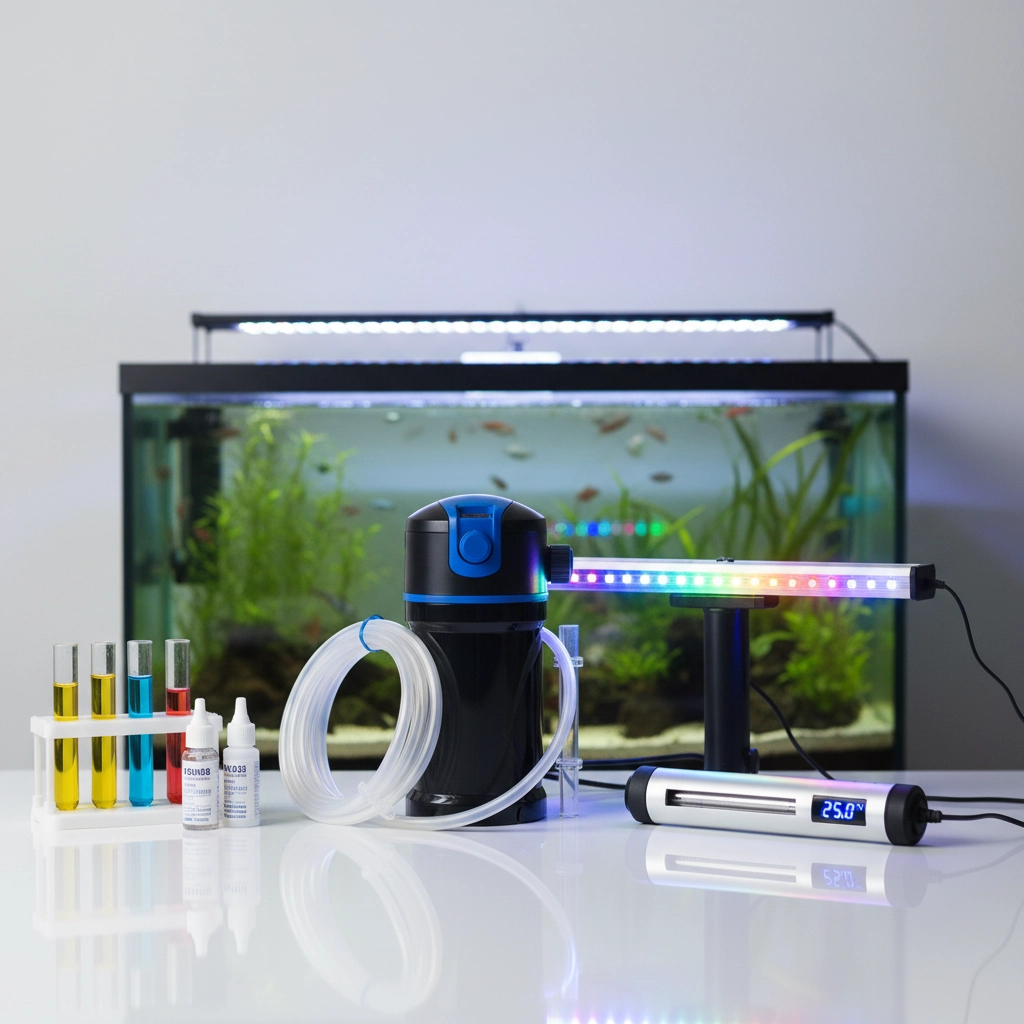
Your aquarium equipment is the life support system for your underwater world, yet many beginners fall into the trap of choosing undersized filters, inadequate heaters, or placing their tank in problematic locations that create more headaches than happiness.
Cheap starter kits often include underpowered equipment that simply can't handle the demands of a thriving aquarium. Meanwhile, placing your tank near windows, radiators, or high-traffic areas creates temperature fluctuations and stress that will keep you constantly battling algae blooms and unhappy fish.
How to Fix It:
Invest in quality equipment from the start – it's much more cost-effective than replacing everything later. Choose a filter rated for at least 1.5 times your tank volume, and select a heater that provides 3-5 watts per gallon for consistent temperature control.
Position your aquarium on a sturdy, level surface away from direct sunlight, heating vents, and busy doorways. This strategic placement prevents temperature swings and reduces stress on both your fish and your maintenance routine.
Mistake #4: Neglecting the Lifeline of Water Changes
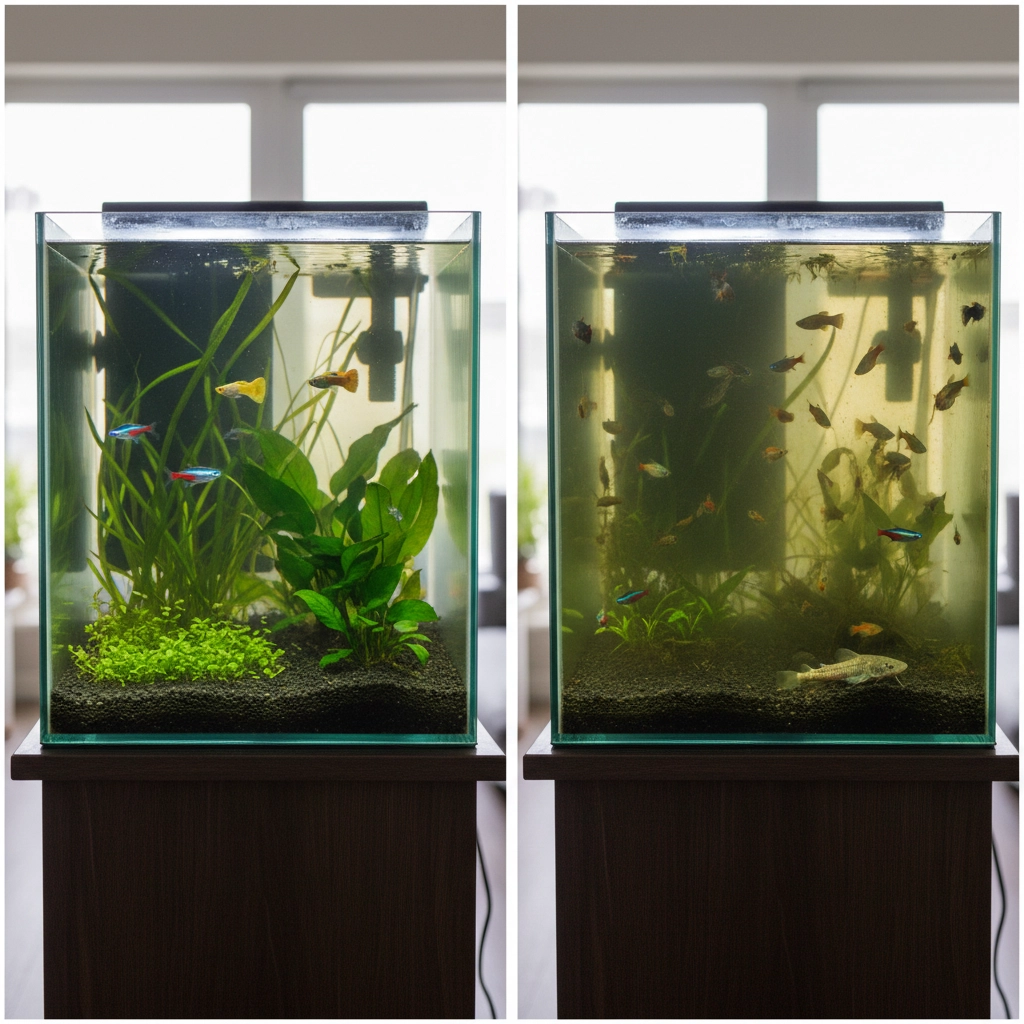
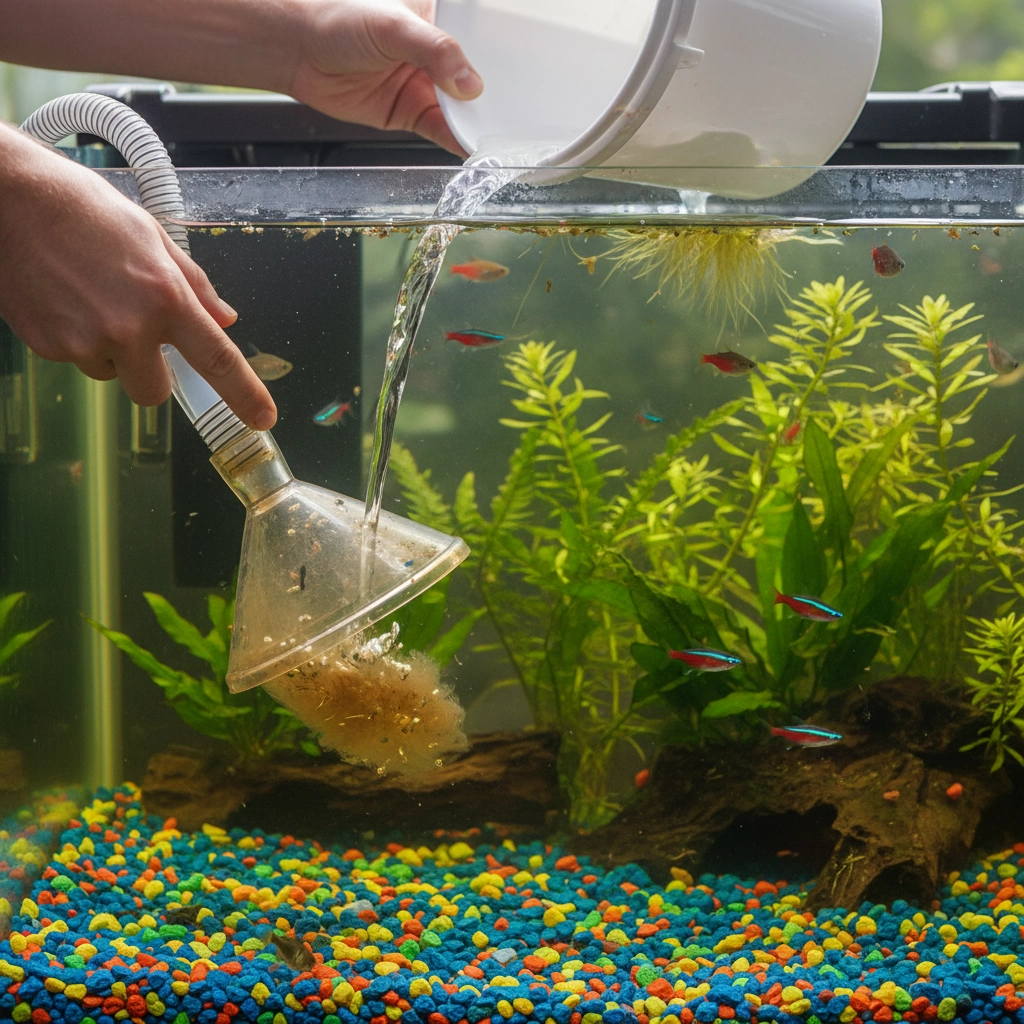
Water changes are the heartbeat of aquarium maintenance, yet many newcomers either perform them inconsistently or not frequently enough. Your fish are essentially swimming in their own waste, and without regular water changes, toxins accumulate to dangerous levels.
Think of it this way – you wouldn't want to live in a house where the garbage never gets taken out. Your fish feel the same way about their water quality, and neglecting this crucial maintenance task is a fast track to sick, stressed, or dying aquatic life.
How to Fix It:
Establish a consistent water change schedule and stick to it religiously. Perform 25-30% water changes weekly for most setups, adjusting frequency based on your tank's bioload and inhabitants.
Never change more than 40% of your water volume at once unless dealing with an emergency, as dramatic shifts in water chemistry can shock your fish. Consistency trumps perfection – regular smaller changes are far better than infrequent massive ones.
Mistake #5: The Deadly Sin of Overfeeding
Your fish's adorable begging faces might tug at your heartstrings, but overfeeding is one of the fastest ways to crash your water quality and harm your aquatic friends. Excess food doesn't just disappear – it rots, creating ammonia spikes and bacterial blooms that can turn your crystal-clear water into a cloudy mess.
Many beginners think more food equals happier, healthier fish, but the opposite is true. Overfeeding leads to obesity, shortened lifespans, and water quality issues that stress your entire aquatic community.
How to Fix It:
Feed only what your fish can consume completely within 2-3 minutes, typically once or twice daily depending on the species. Most fish can survive much longer without food than they can with poor water quality caused by overfeeding.
Remove any uneaten food immediately with a small net. Your fish will be healthier, your water clearer, and your maintenance routine much simpler when you resist the urge to overfeed.
Mistake #6: Substrate Disasters and Water-Filling Fumbles
Your substrate choices and water-filling technique might seem like minor details, but they can make or break your aquarium's appearance and functionality. Too much substrate creates an unbalanced look and traps waste, while improper water filling turns your carefully planned aquascape into a cloudy disaster.
Many beginners pile on 3-4 inches of substrate thinking more is better, then blast water directly onto it during filling, creating a muddy mess that takes days to settle.
How to Fix It:
Less is more when it comes to substrate! Use approximately 1-1.5 inches along the front, creating a gentle slope toward the back for depth and visual appeal. This amount provides adequate anchoring for plants while preventing waste accumulation.
When filling your tank, place a plastic bag, piece of saran wrap, or small plate on the substrate to diffuse the water flow. Pour slowly and steadily onto this barrier to maintain water clarity and protect your carefully arranged decorations.
Mistake #7: Flying Blind Without Water Parameter Monitoring
Ignoring water parameters is like driving blindfolded – you might get lucky for a while, but eventually, you're headed for trouble. Many beginners set up their tanks and assume everything is fine until fish start showing signs of distress or dying.
pH swings, ammonia spikes, and nitrate accumulation happen gradually and often go unnoticed until it's too late to prevent serious problems. By the time your fish show visible signs of stress, the damage may already be done.
How to Fix It:
Invest in a quality test kit and use it regularly! Test your water parameters weekly during normal operation, and more frequently when cycling a new tank, adding new fish, or troubleshooting problems.
Keep a simple log of your test results to track trends and catch problems before they become crises. This proactive approach will save you countless hours of frustration and protect your aquatic investment.
Your Journey to Aquarium Success Starts Now
Every expert aquarist has made these mistakes at some point in their journey – the difference between success and frustration lies in recognizing these pitfalls early and taking corrective action. Your underwater masterpiece doesn't have to be perfect from day one, but avoiding these seven common setup mistakes will set you on the path to creating a thriving aquatic paradise.
Remember, successful aquarium keeping is a marathon, not a sprint. Take your time, do your research, and don't be afraid to ask questions or seek advice from fellow enthusiasts. Your patience and dedication will be rewarded with years of enjoyment watching your aquatic community flourish.
Ready to dive deeper into your aquarium adventure? Follow us on social media for daily tips, inspiration, and community support! Have questions about your setup or want to share photos of your aquatic progress? We'd love to hear from you – reach out anytime, and you might just see your stunning tank featured in our community showcase!






.png)