Minimalist Aquascaping Vs. Complex Layouts: Which Is Better For Your First Freshwater Tank?
Minimalist Aquascaping Vs. Complex Layouts: Which Is Better For Your First Freshwater Tank?
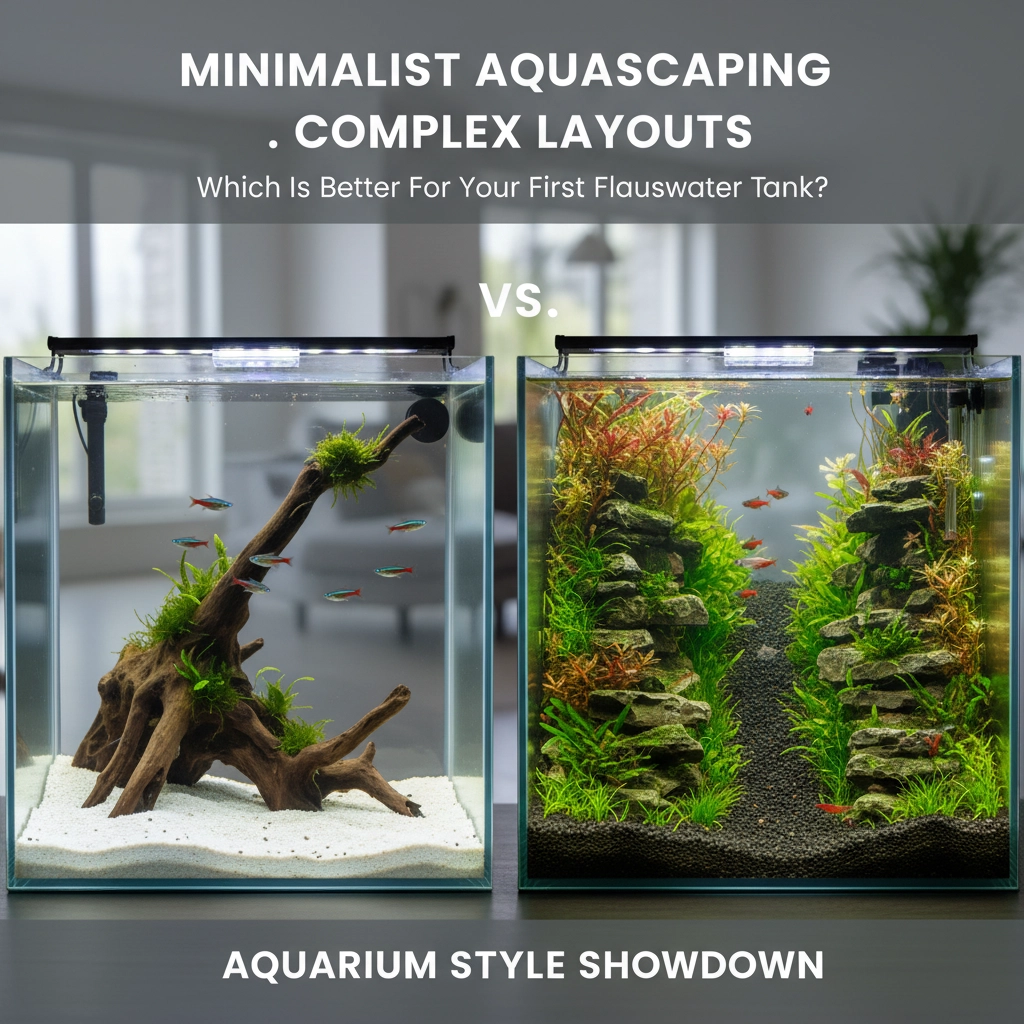
Welcome, budding aquarists! Whether you're dipping your toes into the mesmerizing world of freshwater aquascaping or you're ready to dive headfirst into creating your first underwater masterpiece, you've likely found yourself swimming in a sea of design choices. The burning question that captivates every newcomer: Should you start with a serene, minimalist approach or plunge into the depths of a complex, intricate layout?
This decision will shape your entire aquascaping journey, and we're here to guide you through the currents of both approaches. Let's explore the captivating waters of minimalist versus complex aquascaping to help you create the perfect aquatic oasis for your skill level and lifestyle.
1. Understanding Minimalist Aquascaping: The Art of Elegant Simplicity
Minimalist aquascaping embraces the powerful philosophy that less truly is more. This approach creates breathtaking underwater landscapes through thoughtful restraint, focusing on clean lines, open spaces, and carefully selected elements that work in perfect harmony.
The Core Principles of Minimalist Design
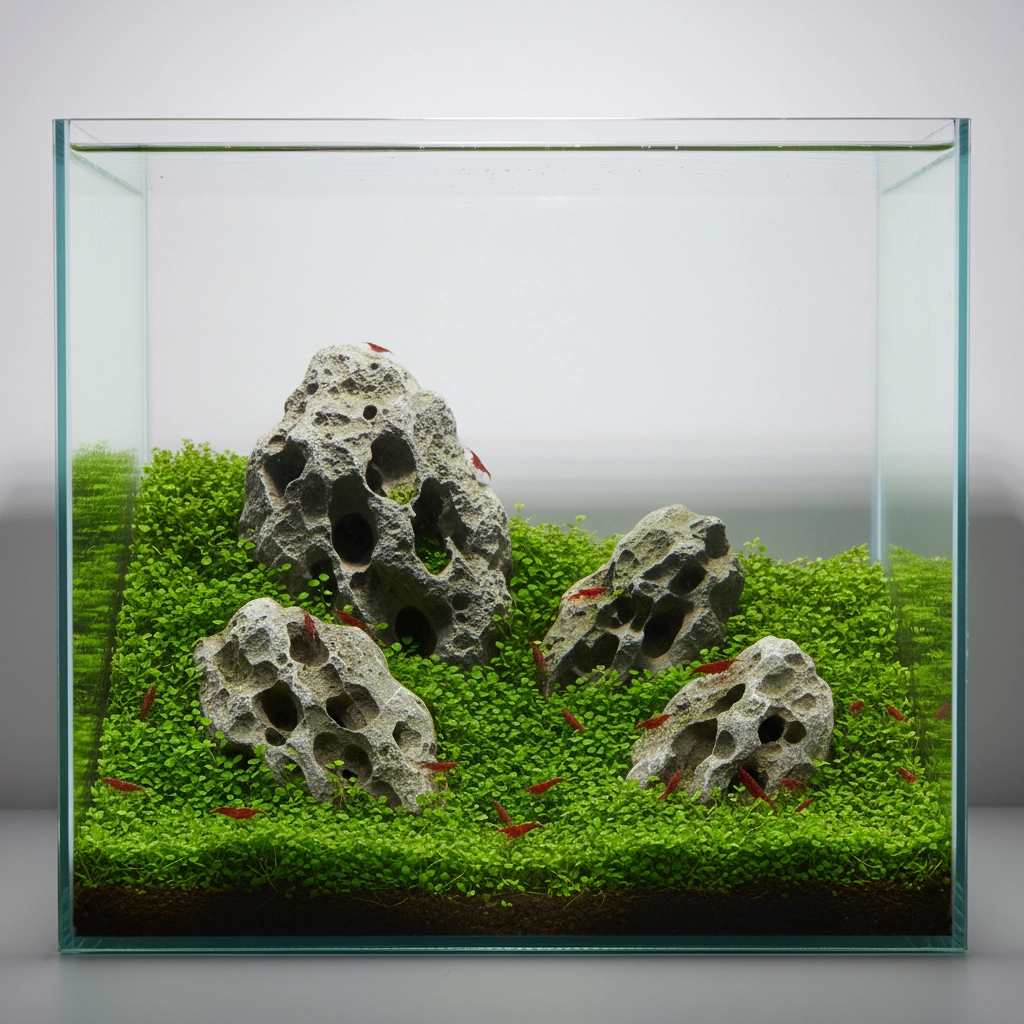
Your minimalist tank thrives on simplicity and balance. Think of iconic Iwagumi-style aquascapes, where a single species of carpeting plant like Monte Carlo or Dwarf Baby Tears creates a lush green carpet, punctuated by strategically placed stones that serve as dramatic focal points. This style strips away unnecessary complexity while maintaining stunning visual impact.
The magic lies in negative space – those open areas that allow your eye to rest and appreciate each carefully chosen element. When you limit yourself to no more than three plant species, every selection becomes intentional and meaningful. Bold hardscape elements like dragon stone or driftwood create striking contrasts against sparse plantings, forming graphic compositions that feel both modern and timeless.
Benefits That Make Minimalist Tanks Shine
The advantages of choosing a minimalist approach for your first freshwater tank are truly compelling. You'll discover that maintenance becomes significantly more manageable when you're caring for fewer plant species and simpler layouts. This approach proves much more forgiving as you develop your green thumb and learn to read your tank's needs.
Financially, minimalist designs offer excellent value. You'll invest in fewer plants, less substrate, and simpler equipment while still achieving professional-looking results. The reduced complexity means fewer variables to monitor and adjust, making it easier to maintain stable water parameters – a crucial factor for beginners learning the ropes.
Your livestock choices also become more straightforward. A large school of small, vibrant fish like neon tetras or ember tetras creates dynamic movement while making your tank appear more spacious. This approach teaches you fundamental principles of aquascaping composition without overwhelming you with technical challenges.
2. Exploring Complex Layouts: The Symphony of Intricate Design
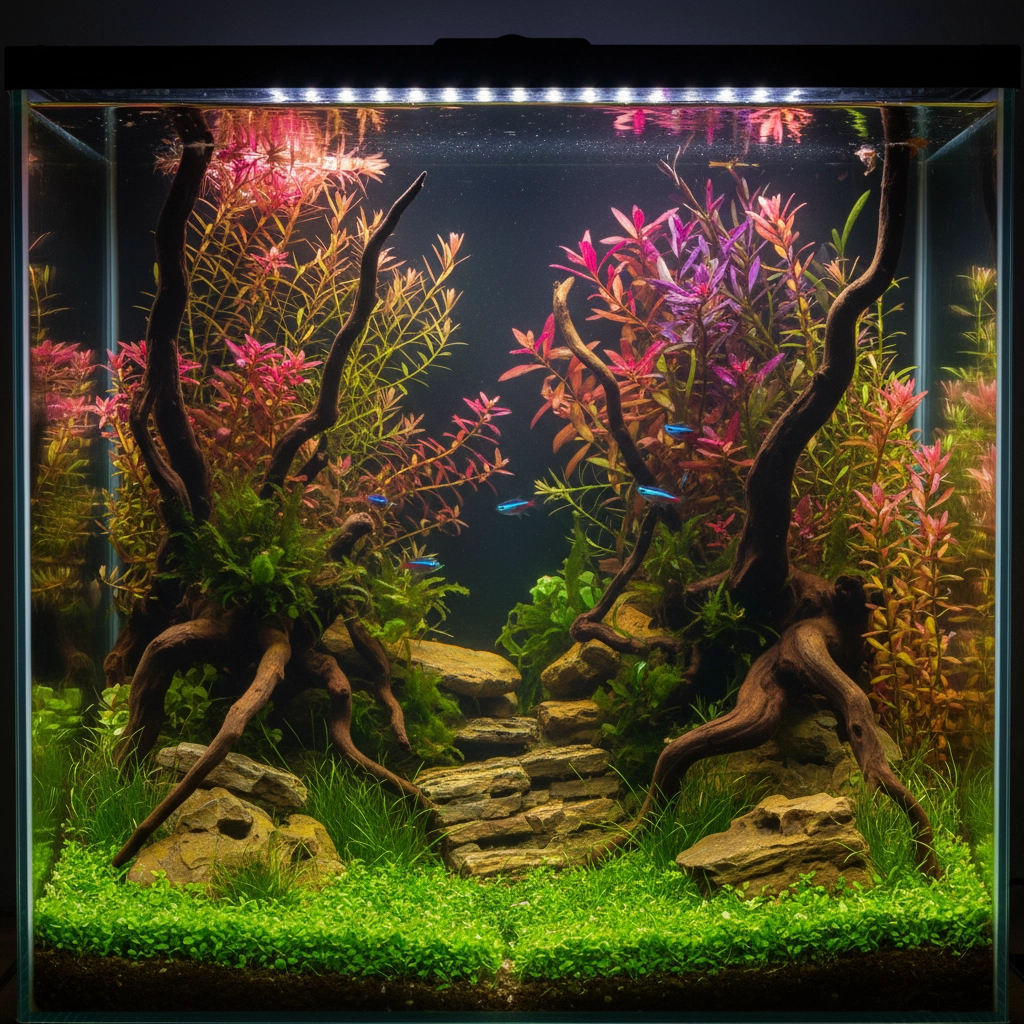
Complex aquascapes represent the pinnacle of underwater artistry, where multiple plant species, varied textures, and intricate hardscaping elements come together to create lush, detailed environments that rival natural ecosystems. These layouts showcase advanced techniques like perspective manipulation, layered compositions, and sophisticated color palettes.
The Allure of Complexity
Complex designs offer unlimited creative expression. You can craft detailed biotopes that replicate specific natural habitats, incorporate multiple hardscape materials, and showcase dozens of plant species in carefully orchestrated arrangements. The visual richness can be absolutely stunning, creating aquatic gardens that serve as living art pieces in your home.
These layouts allow you to experiment with advanced aquascaping principles like the golden ratio, forced perspective, and color theory. You might combine carpeting plants in the foreground with medium-height species in the midground and towering stem plants creating a lush background canopy.
The Reality of Maintenance Demands
However, complex layouts demand significantly more from their creators. Managing multiple plant species requires understanding each variety's specific lighting, nutrient, and CO2 requirements. When these needs conflict, maintaining balance becomes a constant juggling act that can frustrate even experienced aquarists.
The increased plant mass and complexity often necessitate advanced equipment like CO2 injection systems, high-intensity lighting, and sophisticated filtration. Regular trimming, fertilization schedules, and water parameter monitoring become time-consuming weekly commitments. For beginners, these demands can quickly transform an enjoyable hobby into an overwhelming chore.
3. Head-to-Head Comparison: Navigating Your Options
| Aspect | Minimalist Approach | Complex Layouts |
|---|---|---|
| Maintenance Level | Low to moderate weekly care | High-intensity daily monitoring |
| Initial Investment | Budget-friendly startup costs | Significant equipment investment |
| Learning Curve | Gentle, beginner-friendly progression | Steep learning requirements |
| Time Commitment | 1-2 hours weekly maintenance | 5+ hours weekly care |
| Visual Impact | Serene, sophisticated elegance | Dynamic, intricate complexity |
| Equipment Needs | Basic lighting and filtration | Advanced CO2, lighting, filtration |
| Forgiveness Factor | High tolerance for mistakes | Low margin for error |
| Plant Knowledge Required | Basic understanding sufficient | Extensive botanical expertise needed |
4. The Verdict for First-Time Aquarists: Starting Your Journey Right
For your inaugural freshwater tank adventure, minimalist aquascaping emerges as the clear winner. This approach provides the perfect foundation for developing essential skills while creating genuinely beautiful results that you'll be proud to showcase.
Why Minimalist Makes Sense for Beginners
Starting with a minimalist design allows you to master fundamental concepts like water chemistry, lighting requirements, and plant biology without becoming overwhelmed by complexity. You'll develop confidence as you watch your carefully chosen plants thrive and your aquatic ecosystem establish itself naturally.
The reduced maintenance burden means you can focus on understanding your tank's rhythms rather than constantly troubleshooting problems. This approach teaches patience and observation skills that will serve you well if you later decide to explore more complex designs.
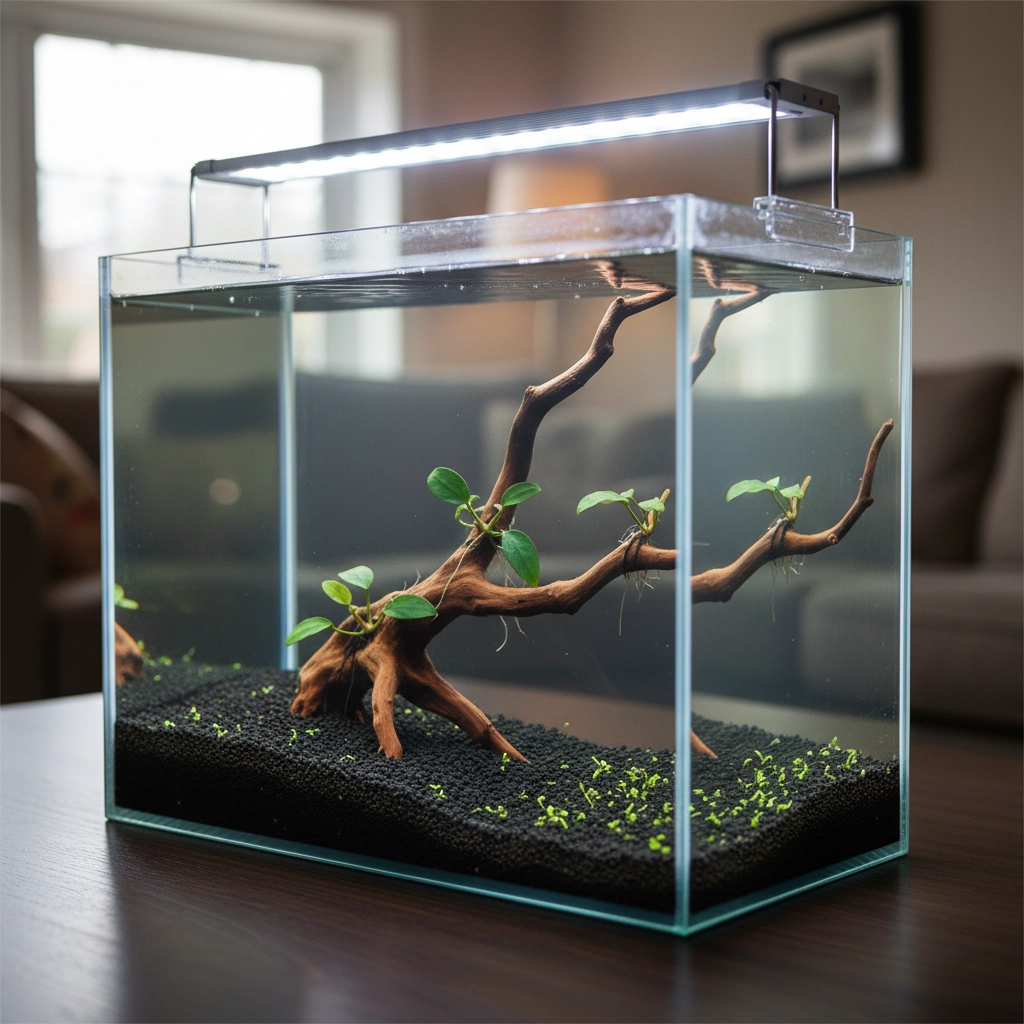
Consider beginning with a 64-liter (approximately 17-gallon) tank – an ideal size that provides enough space for creativity without becoming unmanageable. This volume offers sufficient water stability while remaining cost-effective and space-conscious.
Building Your Skills Foundation
Your minimalist tank becomes a living classroom where you'll learn to read subtle signs of plant health, understand lighting cycles, and develop intuition about when adjustments are needed. These skills form the bedrock of successful aquascaping, regardless of future complexity levels.
As you gain experience and confidence, you can gradually introduce additional elements. Perhaps add a second plant species after mastering your first, or experiment with different hardscape arrangements. This gradual progression ensures sustainable growth in your aquascaping abilities.
5. Getting Started with Your Chosen Style: Practical Next Steps
Whether you've decided to embrace minimalist elegance or you're determined to tackle complexity from the start, proper planning ensures success. Begin by researching plant species that match your chosen approach and local availability.
Essential Equipment for Success
For minimalist setups, invest in quality basic equipment: appropriate lighting for your plant selection, reliable filtration, and a good substrate. These fundamentals will serve you well throughout your aquascaping journey.
If you're committed to complexity despite the challenges, budget for advanced equipment from the beginning. Half-measures with lighting or CO2 systems often lead to frustration and poor results that can discourage continued involvement in the hobby.
Learning Resources and Community Support
Connect with local aquascaping communities and online forums where experienced hobbyists share knowledge and troubleshooting advice. Many cities have aquarium societies that offer workshops, plant swaps, and mentoring opportunities that accelerate your learning curve.
Consider visiting established aquascaping displays at pet stores, public aquariums, or fellow hobbyists' homes. Seeing successful tanks in person provides inspiration and practical insights that photos cannot convey.
The journey from beginner to accomplished aquascaper is filled with discoveries, challenges, and immense satisfaction. Whether you choose the serene path of minimalism or the intricate route of complex design, your dedication to creating thriving underwater ecosystems connects you to a passionate global community of aquatic enthusiasts.
Remember that every expert aquascaper started exactly where you are now – with curiosity, enthusiasm, and a vision of their perfect underwater world. Your chosen approach will evolve as your skills and interests develop, so embrace the learning process and enjoy every moment of your aquascaping adventure.
Ready to dive deeper into the fascinating world of aquascaping? Follow us on social media for daily inspiration, expert tips, and community highlights! Have questions about your setup or need personalized advice? Don't hesitate to reach out – we love helping fellow aquarists succeed. Share photos of your aquascaping progress with us for a chance to be featured in our community spotlight and inspire other budding aquascapers on their own underwater journeys!






.png)